
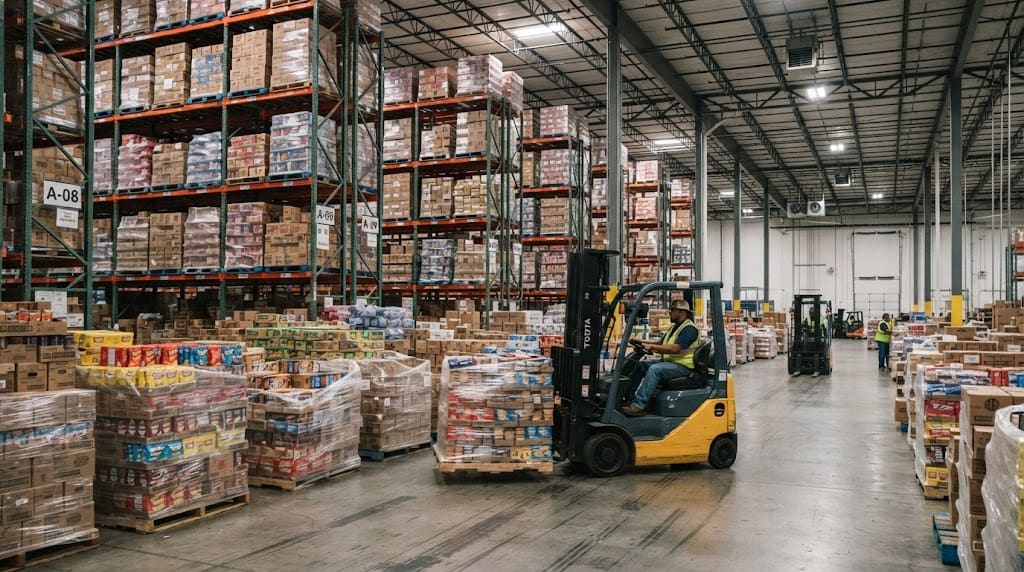
A North American Buyer's Guide to Sourcing Bulk Sunflower Seeds From China
How US snack brands and distributors source bulk sunflower seeds overseas, private-label manufacturing trends, and what a North American buyer should confirm before a first order.
- 1. Who Are the Established Players in North American Bulk Seed Distribution?
- 2. How Big Is the Private-Label Opportunity in North America?
- 3. Do US Manufacturers Blend Overseas and Domestic Sourcing?
- 4. What Should a First-Time North American Buyer Confirm?
- 5. Does Sourcing Overseas Make Sense Given Trade Policy Shifts?
- 6. Which Series Suits Private-Label Snack Manufacturing?
- 7. How Long Does Transit From China to North American Ports Typically Take?
- 8. Should a North American Buyer Work With a Customs Broker?
- 9. How Does Retail Shelf Space Competition Affect a New Private-Label Entrant?
- 10. Source Bulk Sunflower Seeds for North America
North American snack brands and distributors regularly source bulk seeds and nuts overseas for private-label and co-manufactured products. Here's what a US or Canadian buyer sourcing sunflower seeds from China should know going in.
Who Are the Established Players in North American Bulk Seed Distribution?
SIGCO Sun Products, founded in 1958 and based in Breckenridge, Minnesota, has a long history in confection sunflower seed processing (now operating as part of SunOpta following a 2003 acquisition). Earth Ranch, based in Jackson, Wisconsin, is a clean-label snack manufacturer offering private-label and co-manufacturing services covering nuts, trail mix, and related bulk snack products. Companies like these illustrate a well-established North American model of blending overseas-sourced raw material with domestic repackaging and private-label manufacturing.
How Big Is the Private-Label Opportunity in North America?
US private-label sales have approached record levels in dollar terms in recent years, and private-label manufacturing lets brands and retailers launch snack products without owning a factory — a trend toward new formats (grab-and-go, portion control) and functional/health positioning has been shaping demand in this category.
Do US Manufacturers Blend Overseas and Domestic Sourcing?
Yes — it's common for US contract manufacturers to source raw material overseas while handling final processing, roasting, or packaging domestically, blending certified overseas facilities with domestic repack operations to scale production. This model is directly relevant to how a company like XingYi Trading fits into a North American buyer's supply chain: as the overseas raw-material source feeding into a domestic manufacturer's own production and quality process.
What Should a First-Time North American Buyer Confirm?
US-bound food imports specifically require the exporting facility to be FDA-registered and Prior Notice to be filed before the shipment arrives — see our complete import guide for how this fits into the overall process. Confirming these requirements with your supplier and a customs broker before your first order avoids delays at the port.
Does Sourcing Overseas Make Sense Given Trade Policy Shifts?
Tariff and trade-policy changes are a live consideration for any US buyer sourcing overseas inputs, and they shift over time — confirm current duty treatment for your specific HS classification with a customs broker before finalizing a sourcing decision, rather than relying on historical rates. See our HS codes guide for how classification affects this.
Which Series Suits Private-Label Snack Manufacturing?
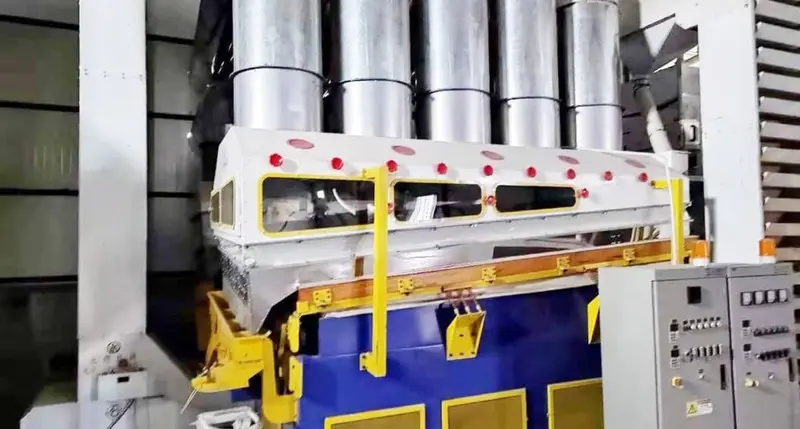
363 Series is our premium raw grade, positioned well for branded or health-focused private-label lines, while 361 Series suits higher-volume, value-focused product lines. See our full series comparison for more detail.
How Long Does Transit From China to North American Ports Typically Take?
Transit time varies by origin and destination port pairing and by carrier routing, and can be longer than shipments bound for closer markets like the Middle East or Southeast Asia. Confirm current estimated transit time with your freight forwarder for your specific route, and build that into your inventory planning alongside the shelf-life considerations covered in our shelf-life guide.
Should a North American Buyer Work With a Customs Broker?
Given the FDA registration and Prior Notice requirements specific to US-bound food imports, most first-time North American buyers benefit from working with a licensed customs broker who handles this specific regulatory process regularly, rather than navigating it without that experience on a first shipment.
How Does Retail Shelf Space Competition Affect a New Private-Label Entrant?
US retail snack shelves are crowded, and a new private-label sunflower seed product is competing directly against established national brands with existing distribution and shelf placement. That doesn't rule out entry, but it does mean a new entrant's sourcing decisions — grade consistency, documentation, reliable lead times — need to support a product that can compete on quality and price from day one, since retailers generally aren't willing to give shelf space to a new product with an unproven supply chain behind it.
This is part of why established private-label manufacturers like the ones referenced above tend to work with suppliers who can demonstrate a track record of consistent grading and on-time delivery, rather than the lowest quoted price alone — a stockout or a quality complaint in the first few months can cost a new product its shelf placement before it has a chance to build sales history. Building that supplier track record before your retail launch date, rather than during it, gives a new entrant a meaningfully better chance of holding onto shelf space once it's won, since retail buyers are generally reluctant to give a struggling new product a second chance once shelf space has already been reallocated. Treating supplier reliability as a launch-readiness criterion, on the same level as packaging and pricing, is a reasonable way to frame this decision internally before committing to a launch date.
Source Bulk Sunflower Seeds for North America
Request samples and a specification sheet to evaluate our series against your product before committing to a bulk order.
Featured in This Article
Sourcing Sunflower Seeds for Your Business?
Contact XingYi Trading for pricing, samples, and specification sheets on our 361, 363, and TQ6 series.
Request a Quote
James Feng
XingYi Trading — Bayannur, Inner Mongolia
More in Regional Markets
 Regional Markets
Sunflower Seed Export Statistics: Bayannur and China's Role in the Global Market
 Regional Markets
Bayannur, Inner Mongolia: Why China's Sunflower Capital Produces a Different Quality of Seed
 Regional Markets