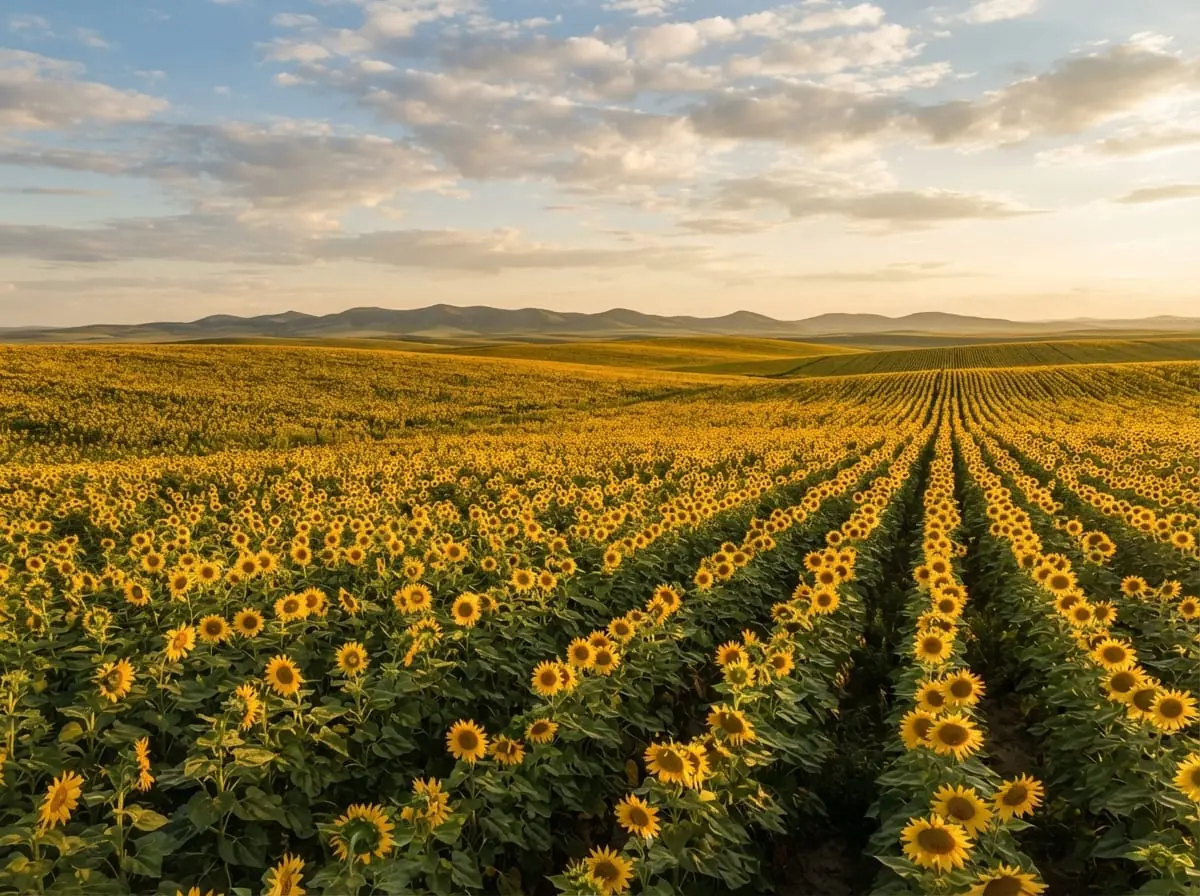
Bayannur, Inner Mongolia: Why China's Sunflower Capital Is China's Sunflower Seed Capital
How a saline-alkali reclamation project in the 1970s turned Bayannur into China's largest edible sunflower production base — and what that history means for seed quality today.
- 1. Why Is Bayannur Called China's Sunflower Capital?
- 2. How Did Bayannur Become a Sunflower Hub?
- 3. What Role Does Wuyuan County Play?
- 4. How Does This History Translate to Export Performance Today?
- 5. How Large Is the Local Processing Industry?
- 6. Why Did Sunflower Farming Start on Saline-Alkali Land Specifically?
- 7. How Does Bayannur's Climate Specifically Suit Sunflower Growing?
- 8. Is Wuyuan County the Same as Bayannur City?
- 9. What Does This Mean for a Buyer Sourcing From the Region?
- 10. Does Sourcing From an Established Hub Reduce Supply Risk Compared to a Newer Growing Region?
- 11. What Else Do Official Sources Say About the Region?
- 12. What Are the Limits of This Guide?
- 13. Where Do These Numbers Come From?
- 14. Source From Bayannur Directly
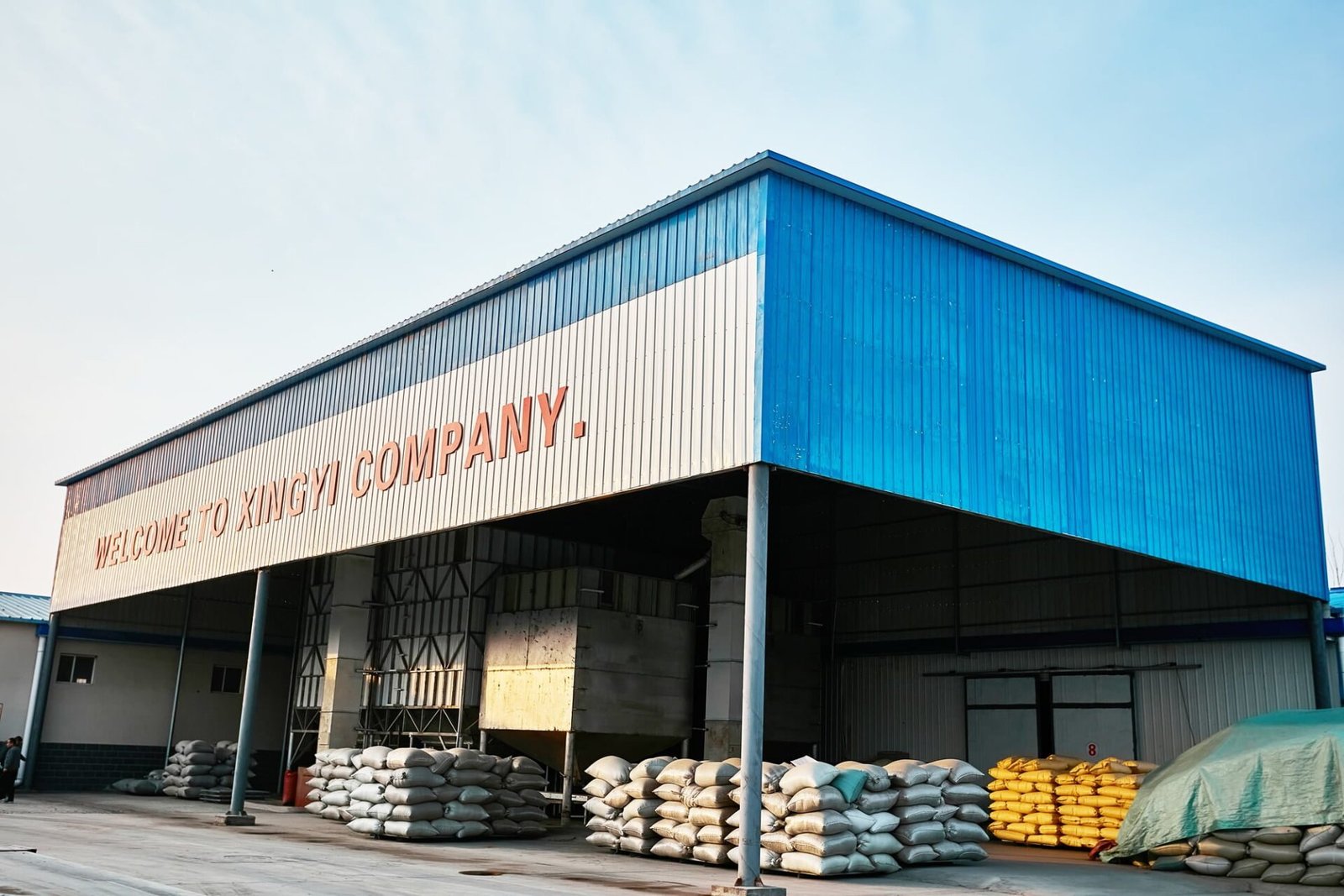
Xinhua describes Bayannur as China's largest base for edible sunflower production, and XingYi Trading has operated there, at Linhe First Farm, since 2014. This guide explains how the region came to specialise in sunflowers, where production sits within the city, and what the figures do and do not show.
Why Is Bayannur Called China's Sunflower Capital?
Bayannur is described by Xinhua as "China's largest base for edible sunflower production." People's Daily put its sunflower planting area at about 4.1 million mu (People's Daily).
How Did Bayannur Become a Sunflower Hub?
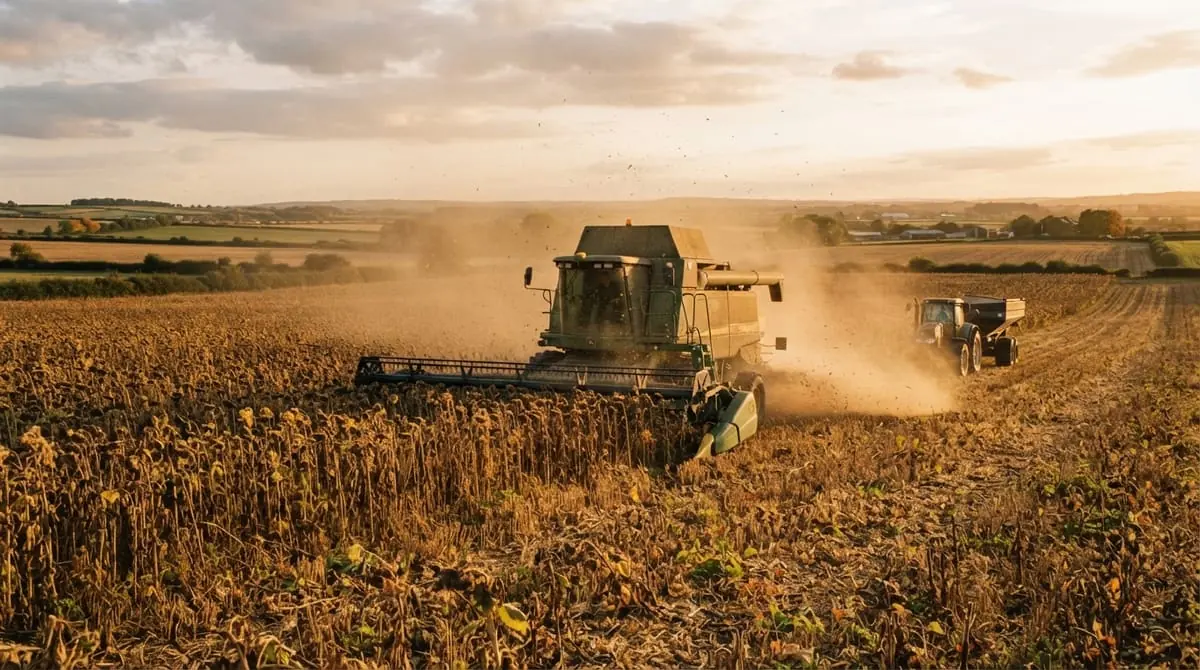
The region's development as a sunflower hub traces back to the 1970s, when sunflowers were introduced specifically to help reclaim roughly 4.8 million mu of saline-alkali land, land that was otherwise difficult to farm productively. Bayannur's distinct four seasons, abundant sunshine, vast plains, and ample water resources are cited as closely resembling the sunflower's native North American habitat, which is the agronomic basis for the region's suitability.
What Role Does Wuyuan County Play?
It's earned the nickname "Hometown of Sunflowers," with 60% of local farmer income tied to the sunflower industry.
How Does This History Translate to Export Performance Today?
People's Daily reported that Bayannur's sunflower products are sold to more than 40 countries and regions (People's Daily).
How Large Is the Local Processing Industry?
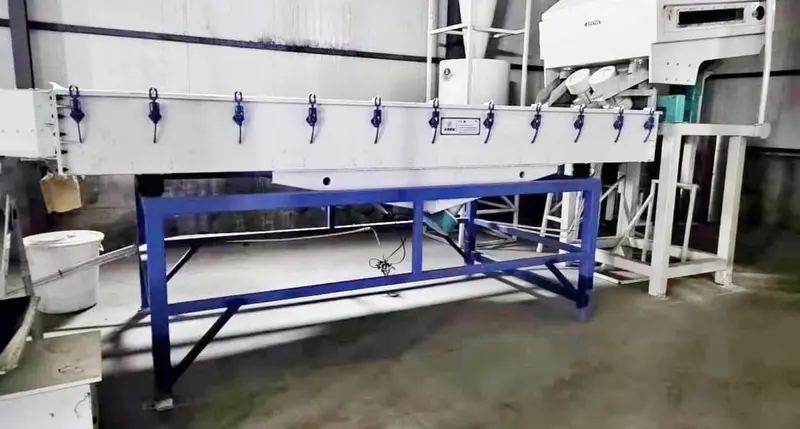
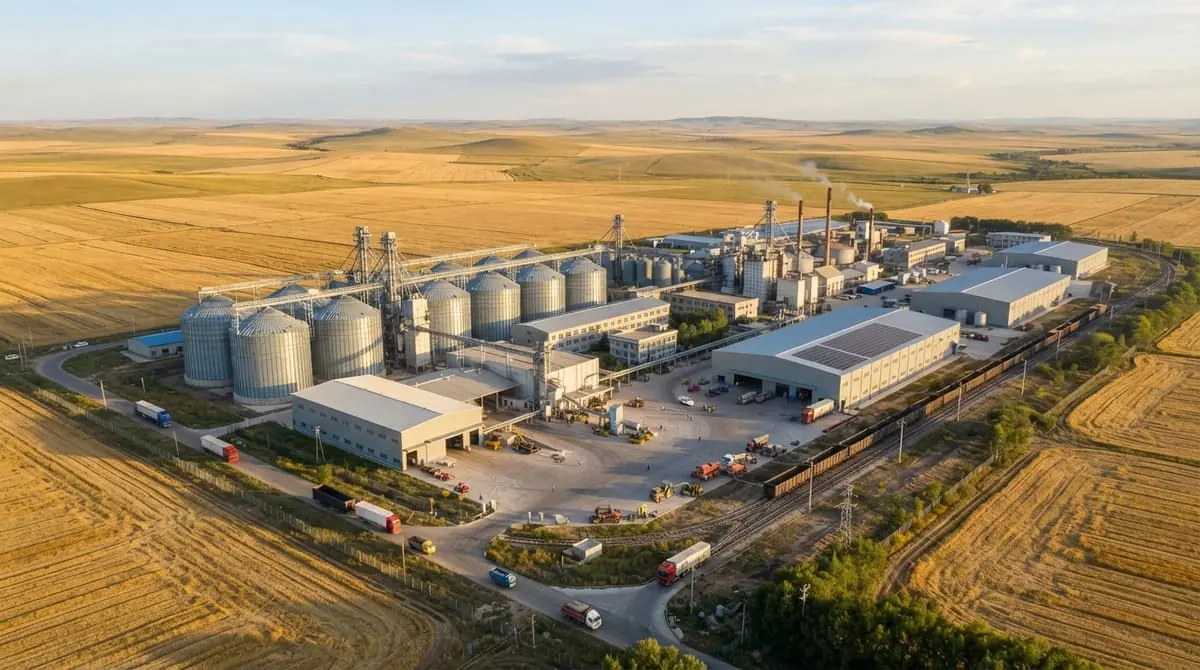
Around 120 sunflower processing enterprises operate in the Bayannur area, reflecting decades of specialized infrastructure built around this single crop rather than any single company's isolated operation.
Why Did Sunflower Farming Start on Saline-Alkali Land Specifically?
Sunflowers were introduced to Bayannur in the 1970s specifically as part of an effort to reclaim roughly 4.8 million mu (about 320,000 hectares) of saline-alkali land that was otherwise difficult to farm productively. Sunflower's relative tolerance for these conditions made it a practical choice for reclaiming land that other crops struggled with, and that original agricultural project is the historical root of the region's current status as a major production base.
How Does Bayannur's Climate Specifically Suit Sunflower Growing?
Bayannur's distinct four seasons, abundant sunshine, vast plains, and ample water resources are described as closely resembling the sunflower's native North American habitat, the specific combination of long sunny growing days and adequate irrigation is the agronomic basis cited for why the crop performs so well here compared to other parts of China.
Is Wuyuan County the Same as Bayannur City?
No, Wuyuan County is one county within the larger Bayannur City administrative area, but it's specifically China's single largest sunflower-planting county on its own, accounting for roughly 14% of national production. When a supplier or source refers to "Bayannur" sunflower production, that figure is aggregated across the whole city, including Wuyuan and other districts like Linhe, where XingYi Trading's own facility is based.
What Does This Mean for a Buyer Sourcing From the Region?
Sourcing from Bayannur means sourcing from an established, high-volume production and processing base with decades of specialized agricultural infrastructure behind it, not a region newly entering the sunflower trade. See our Capabilities section for how XingYi Trading's own operation fits into that broader regional picture.
Does Sourcing From an Established Hub Reduce Supply Risk Compared to a Newer Growing Region?
Generally yes, though not absolutely, a concentrated cluster of growers, processors, and traders in one region means a buyer isn't dependent on a single farm or facility's output, since a shortfall at one enterprise can often be absorbed by the broader local supply base rather than creating an immediate shortage. A newer or smaller growing region, by contrast, may have less redundancy built into its supply chain, so a single bad harvest or facility disruption has a proportionally larger effect on available supply.
This doesn't mean an established hub is immune to regional risk, a widespread weather event affecting the whole growing area still affects every supplier within it, but the depth of processing and trading infrastructure built up over decades does mean documentation practices, grading standards, and export logistics tend to be more mature and predictable than in a region still building that infrastructure from scratch.
What Else Do Official Sources Say About the Region?
China.org.cn reports that Bayannur was once burdened by nearly 4.8 million mu (320,000 hectares) of saline-alkali land where wheat and corn struggled, and that the introduction of sunflowers in the 1970s was a turning point for the city (China.org.cn). Regional reporting adds that Wuyuan County accounts for about one-seventh of the national sunflower area, about 1.2 million mu, and that sunflowers provide 60% of the county's farmers' income (Inner Mongolia government portal).
What Are the Limits of This Guide?
The regional figures come from news and government sources and may be revised. They describe the city and not any single company, and the figures are not our own measurements.
Where Do These Numbers Come From?
- •english.news.cn - cited for: Xinhua. Checked 2026-10-24.
- •en.people.cn - cited for: People's Daily. Checked 2026-10-24.
- •china.org.cn - cited for: China.org.cn. Checked 2026-10-24.
- •goinnermongolia.com.cn - cited for: Inner Mongolia government portal. Checked 2026-10-24.
Source From Bayannur Directly
Request samples (the buyer pays shipping) from our facility in Linhe District, Bayannur City. Product details are on our products page, and the full buying process is in our bulk sunflower seeds buyer's guide.
Featured in This Article
Sourcing Sunflower Seeds for Your Business?
Contact XingYi Trading for pricing and samples (the buyer pays shipping) on our 361, 363, and TQ6 series.
Request a Quote
XingYi Trading
XingYi Trading — Bayannur, Inner Mongolia
More in Regional Markets
 Regional Markets
Sunflower Seed Export Statistics: Bayannur and China's Role in the Global Market
 Regional Markets
How Seasonal Harvest Timing Affects Sunflower Seed Availability and Pricing
 Regional Markets