Sourcing Sunflower Seeds for the Middle East Market: A Trader's Guide
UAE redistribution hubs, GCC snack market growth, and what traders sourcing sunflower seeds for the Middle East should know about regional demand.
- 1. Why Is the UAE Important for Middle East Sunflower Seed Trade?
- 2. How Big Is the GCC Snack Food Market?
- 3. Why Does Snack Positioning Matter More in This Market Than Elsewhere?
- 4. Is Re-Export Common in This Market, or Is Direct Import More Typical?
- 5. What Should a Trader Confirm Before Sourcing for This Market?
- 6. Which Series Fits Middle East Snacking Demand?
- 7. What Packaging Considerations Matter for Middle East Climate?
- 8. How Does Shipping Route and Transit Time Affect This Market?
- 9. Do Buying Patterns Shift During Ramadan or Other Regional Cultural Periods?
- 10. What Do China's Export Figures Show for the Region?
- 11. What Are the Limits of This Guide?
- 12. Where Do These Numbers Come From?
- 13. Source Sunflower Seeds for Middle East Distribution
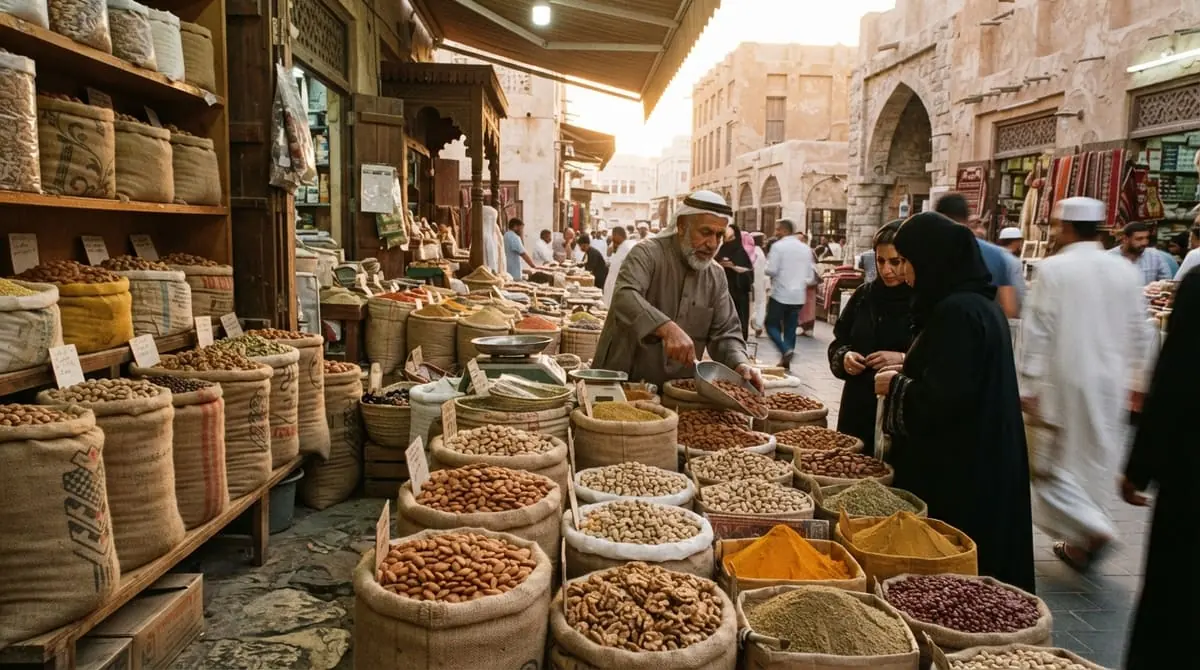
The Middle East is a significant market for sunflower seeds, driven partly by regional snacking demand and partly by the UAE's role as a redistribution hub for the wider Gulf region. Here's what traders sourcing for this market should know.
Why Is the UAE Important for Middle East Sunflower Seed Trade?
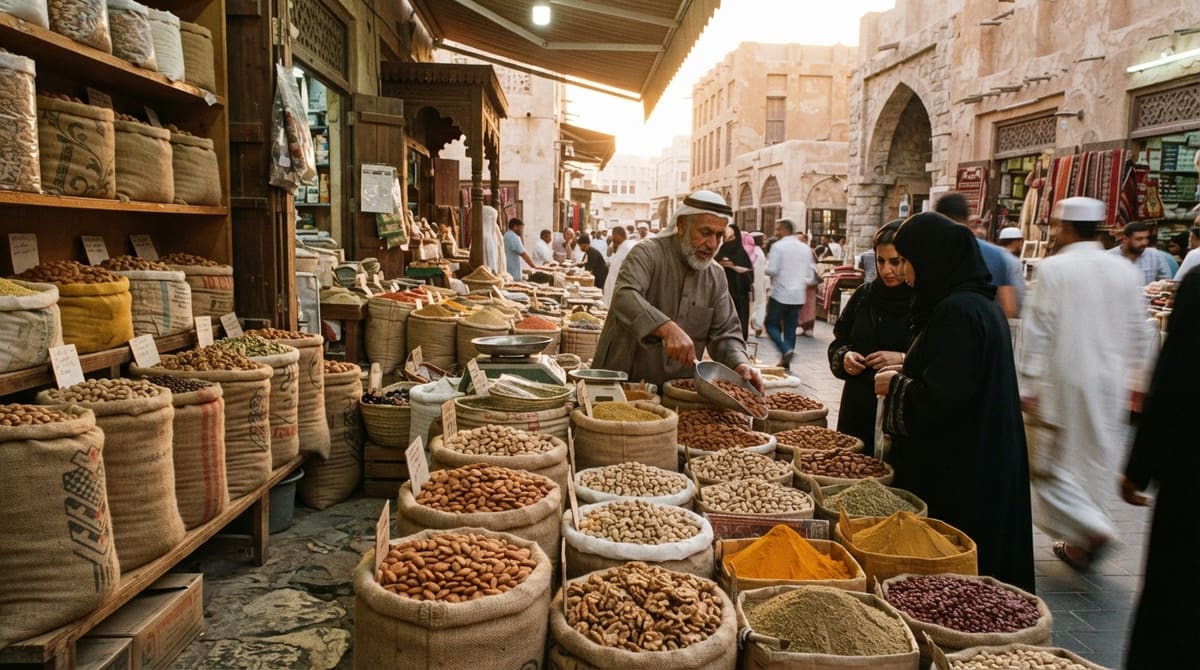
A report by GRAIN notes that traders in the UAE can import and re-export products quickly to other markets, which makes the UAE a possible entry point and not only an end destination.
How Big Is the GCC Snack Food Market?
One market research firm values the GCC snacks market at about USD 8.49 billion in 2024 and projects USD 12.87 billion by 2030.
Why Does Snack Positioning Matter More in This Market Than Elsewhere?
That makes packaging and portioning decisions (retail-ready bags vs. bulk redistribution formats) worth thinking through early, since a meaningful share of demand in this region is retail-snacking driven rather than purely industrial/bulk redistribution.
Is Re-Export Common in This Market, or Is Direct Import More Typical?
Both patterns exist, and the UAE's redistribution-hub role means a meaningful share of imports move onward to neighboring markets rather than staying in-country. If you're new to the region, it's worth clarifying with your own buyers or distribution partners whether they're importing directly for local sale or acting as a redistribution point themselves, that affects packaging, labeling, and documentation decisions on your end.
What Should a Trader Confirm Before Sourcing for This Market?
Destination-market food import requirements vary even within the region, so confirm phytosanitary and labeling requirements for your specific target country rather than assuming UAE requirements apply uniformly across the Gulf, the UAE's own import permit service is a useful starting reference if the UAE is your first port of entry. See our documentation checklist for the certificates involved in any of these shipments.
Which Series Fits Middle East Snacking Demand?
The 361 Series is our general-purpose series and the 363 Series our premium raw grade; the right choice depends more on your specific product positioning in-market than on the region itself. See our series comparison guide for more detail.
What Packaging Considerations Matter for Middle East Climate?
High ambient temperatures across much of the region make moisture and oxidation control in packaging particularly relevant, see our moisture content and purity standards guide and packaging options guide for how packaging format affects shelf life under warmer storage and transit conditions.
How Does Shipping Route and Transit Time Affect This Market?
Transit times to Gulf ports are generally shorter than to more distant destinations like North America, which can be a meaningful advantage for buyers managing shelf-life-sensitive product. Confirm current transit estimates with your freight forwarder for your specific origin and destination port pairing rather than assuming a fixed transit time.
Do Buying Patterns Shift During Ramadan or Other Regional Cultural Periods?
A trader planning inventory for the region benefits from building this seasonal demand curve into their ordering calendar rather than treating demand as flat year-round, since a supply gap right before a major cultural period is a worse outcome than the same gap at a quieter time of year.
Because the Islamic calendar shifts roughly 10-11 days earlier each Gregorian year, the exact timing of this demand bump moves annually, worth checking the current year's dates specifically rather than assuming last year's ordering calendar applies unchanged. Confirming the current year's dates with your distribution partner well in advance is a small step that avoids the more costly mistake of a supply gap right when regional demand peaks, and it's worth building into your standing annual planning calendar rather than re-deriving it from scratch each year.
What Do China's Export Figures Show for the Region?
China-reported exports under HS 1206 to Iraq rose from 41.3 thousand tonnes in 2019 to 60.7 thousand tonnes in 2024, to Saudi Arabia they moved from 15.0 to 11.5, and to the UAE they fell from 44.3 to 16.4 (UN Comtrade). Exports to Türkiye fell from 125.3 to 21.9 thousand tonnes.
The data are customs records by partner country and do not show where seed is finally sold, and HS 1206 covers all sunflower seed. Use them to see where shipments went, and check import conditions, sanctions rules and documents for each destination before you ship.
What Are the Limits of This Guide?
The regional figures are customs records and market research of different kinds and do not show final sales. Import conditions, sanctions rules and documents differ by country and must be checked for each destination.
Where Do These Numbers Come From?
- •grain.org - cited for: import and re-export products quickly. Checked 2026-10-24.
- •marknteladvisors.com - cited for: GCC snacks market. Checked 2026-10-24.
- •moccae.gov.ae - cited for: UAE's own import permit service. Checked 2026-10-24.
- •comtradeplus.un.org - cited for: UN Comtrade. Checked 2026-10-24.
Source Sunflower Seeds for Middle East Distribution
Request a quote with your target market and volume, and we'll confirm pricing and documentation for shipment to your destination. Product details are on our products page, and the full buying process is in our bulk sunflower seeds buyer's guide.
Featured in This Article
Sourcing Sunflower Seeds for Your Business?
Contact XingYi Trading for pricing and samples (the buyer pays shipping) on our 361, 363, and TQ6 series.
Request a Quote
XingYi Trading
XingYi Trading — Bayannur, Inner Mongolia
More in Regional Markets
 Regional Markets
Sunflower Seed Export Statistics: Bayannur and China's Role in the Global Market
 Regional Markets
Bayannur, Inner Mongolia: Why China's Sunflower Capital Is China's Sunflower Seed Capital
 Regional Markets