
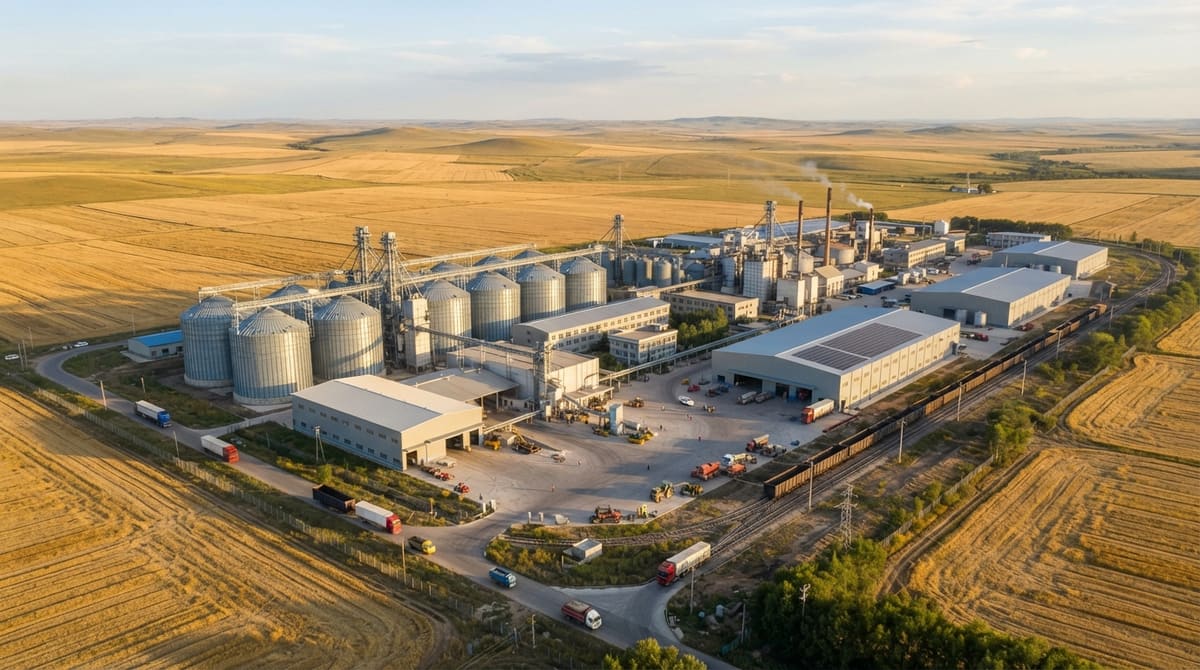
Sunflower Seed Export Statistics: Bayannur and China's Role in the Global Market
Real trade data on China's confectionery sunflower seed export trend, Bayannur's growing export volume, and the destination markets driving demand.
- 1. Is China a Net Importer or Exporter of Sunflower Seed?
- 2. How Much Is Bayannur Exporting?
- 3. How Does Sunflower Rank Among Global Oilseed Crops?
- 4. Where Does China's Raw Seed Import Volume Come From?
- 5. Why Does China's Domestic Market Still Absorb Most Confectionery Production?
- 6. How Can a Buyer Verify These Trade Figures Independently?
- 7. Which Markets Are Driving Demand for Chinese Confectionery Sunflower Seed?
- 8. Where Can Buyers Find Independent Trade Data on This Market?
- 9. What Does This Trend Mean for Buyers Sourcing From China?
- 10. Is China's Confectionery Export Growth Likely to Continue?
- 11. Source From an Established Export Region
Sunflower is the world's fourth-largest oilseed crop, and China's role in the global sunflower trade is more nuanced than a single import/export figure suggests. Here's what the data shows.
Is China a Net Importer or Exporter of Sunflower Seed?
Both, depending on the category — and this distinction matters. At the national level, China is actually a net importer of raw sunflower seed for crushing into oil, with imports from suppliers like Kazakhstan, Bulgaria, and Russia. But that's a separate trade flow from confectionery/in-shell sunflower seed — the category XingYi Trading exports — where China has been a growing exporter, not an importer.
How Much Is Bayannur Exporting?
From January to November 2025, Bayannur alone exported nearly 395,000 tonnes of sunflower seed products, up more than 23% year-on-year, worth 4.55 billion yuan (up roughly 22%). That reflects a broader, verifiable trend: China's confectionery sunflower seed exports have been increasing in recent years even as the country's raw oil-seed imports for crushing have declined.
How Does Sunflower Rank Among Global Oilseed Crops?
Sunflower is the world's fourth-largest oilseed crop, behind soybeans, rapeseed, and peanuts — worth keeping in mind for context when comparing China's sunflower trade data against the much larger soybean trade flows that dominate agricultural commodity headlines.
Where Does China's Raw Seed Import Volume Come From?
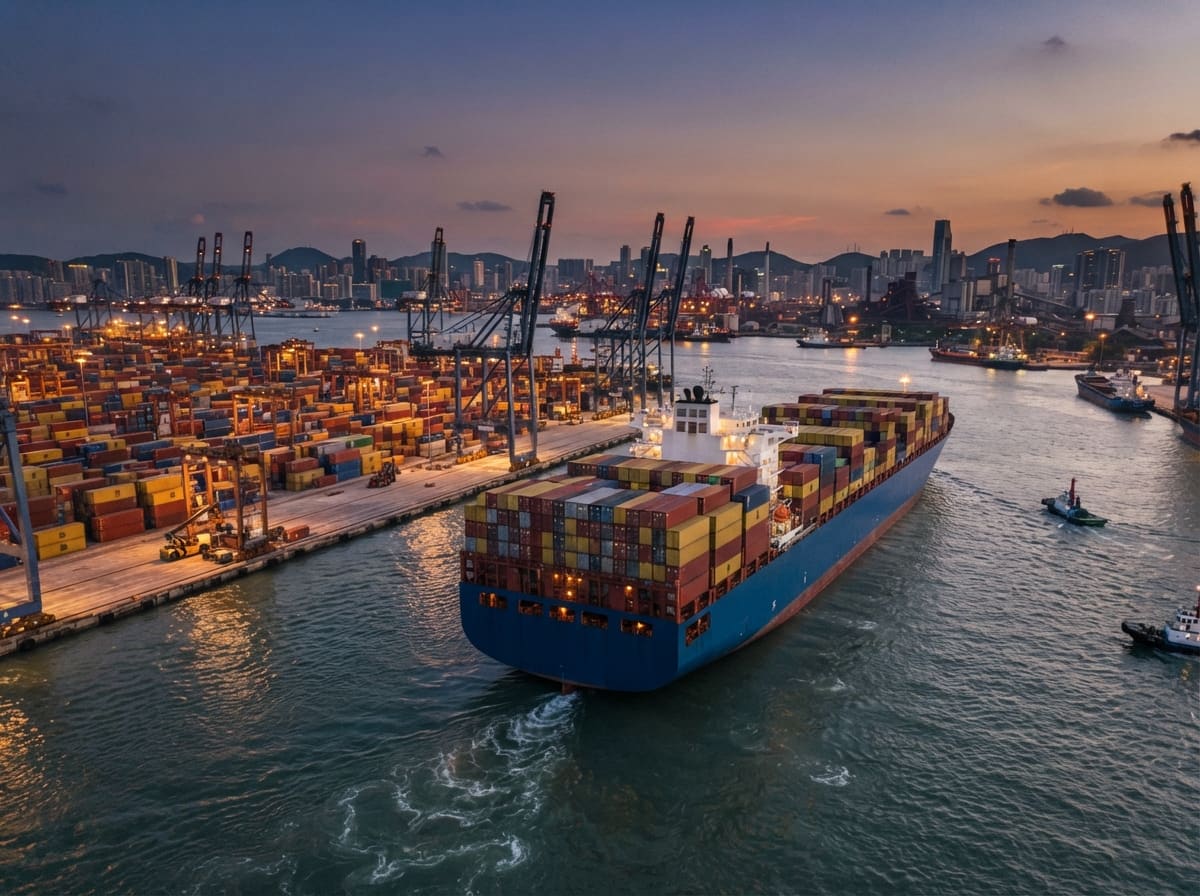
China's raw sunflower seed imports for crushing come primarily from Kazakhstan, Bulgaria, and Russia, and that import volume has actually been trending downward in recent reporting periods rather than growing. This is a separate, smaller trade flow from the confectionery export trend covered above — the two move somewhat independently of each other, since they serve different end markets (oil crushing versus direct human snacking).
Why Does China's Domestic Market Still Absorb Most Confectionery Production?
Domestic consumption of confectionery sunflower seed within China — commonly estimated in the low millions of tonnes per year — still accounts for the majority of national production, with exports representing a growing but still smaller share. This matters for buyers to understand: export supply is a genuine and expanding part of the market, but it operates alongside a very large domestic snacking market rather than existing as the primary use of the crop.
How Can a Buyer Verify These Trade Figures Independently?
Beyond the regional and enterprise-level figures cited above, UN Comtrade and the World Bank's WITS platform allow direct queries of country-level export and import data under HS code 120600, letting a buyer pull current figures for a specific year and partner-country pairing rather than relying solely on secondary reporting. The Observatory of Economic Complexity also publishes a browsable trade profile for China's sunflower seed trade specifically.
Which Markets Are Driving Demand for Chinese Confectionery Sunflower Seed?
Bayannur's exports reach more than 40 countries and regions, concentrated in the Middle East, Southeast Asia, and Europe. This lines up with what we've covered in our regional guides to sourcing for the Middle East, Southeast Asia, and North America.
Where Can Buyers Find Independent Trade Data on This Market?
UN Comtrade and the World Bank's WITS platform track country-level sunflower seed export and import figures by year and partner country under HS code 120600, for buyers who want to verify trade flow data independently rather than relying on any single source.
What Does This Trend Mean for Buyers Sourcing From China?
A growing, established export trend — rather than a speculative or newly emerging one — generally means more supplier experience with international documentation, quality standards, and destination-market requirements. See our Bayannur production profile for the regional infrastructure behind these export numbers.
Is China's Confectionery Export Growth Likely to Continue?
Directionally, the underlying drivers behind recent growth — expanding processing capacity in established regions like Bayannur, rising snack-food demand in destination markets across the Middle East, Southeast Asia, and beyond — don't appear to be short-term or one-off factors, which suggests continued growth is more likely than a reversal. That said, any single year's figures can be affected by weather-driven yield variability or short-term trade-policy shifts, so a buyer building a long-term sourcing strategy should track current-year data rather than assuming the multi-year trend applies unchanged to any specific upcoming season.
For a buyer weighing whether to build a long-term sourcing relationship in this region versus treating it as an opportunistic one-off purchase, the maturity of the underlying trend — verifiable across multiple years and multiple independent data sources rather than a single reporting period — is a reasonable basis for confidence in the region's continued reliability as a supply source.
Source From an Established Export Region
Request a quote to source confectionery sunflower seeds from our facility in Bayannur, one of the regions driving this export growth.
Featured in This Article
Sourcing Sunflower Seeds for Your Business?
Contact XingYi Trading for pricing, samples, and specification sheets on our 361, 363, and TQ6 series.
Request a Quote
James Feng
XingYi Trading — Bayannur, Inner Mongolia
More in Regional Markets
 Regional Markets
Bayannur, Inner Mongolia: Why China's Sunflower Capital Produces a Different Quality of Seed
 Regional Markets
How Seasonal Harvest Timing Affects Sunflower Seed Availability and Pricing
 Regional Markets