Sourcing Confectionery Sunflower Seeds for Southeast Asia's Snack Industry
Growing snack food demand across Southeast Asia and what it means for buyers sourcing confectionery sunflower seeds in the region.
- 1. Do Roasted Seeds Command a Premium in This Market?
- 2. Is Southeast Asia Better Suited to Kernel or In-Shell Product?
- 3. How Competitive Is This Market Already?
- 4. What Should You Confirm Before Sourcing for Southeast Asia?
- 5. Does Order Size Typically Differ From Middle East or North American Buyers?
- 6. What Language or Labeling Considerations Apply in This Region?
- 7. Do Import Tariffs or Trade Agreements Affect Sourcing Cost in This Region?
- 8. What Do China's Export Figures Show for the Region?
- 9. How Large Are the Three Markets?
- 10. What Are the Limits of This Guide?
- 11. Where Do These Numbers Come From?
- 12. Source Confectionery Sunflower Seeds for Southeast Asia
China's reported exports of sunflower seed to Viet Nam were 26.4 thousand tonnes in 2024, to Thailand 13.8 and to Indonesia 7.2 (UN Comtrade, HS 1206). This guide sets out what buyers sourcing for Southeast Asia should check, including humidity, packaging and local import rules.
Do Roasted Seeds Command a Premium in This Market?
See our comparison of raw vs. roasted seeds for bulk buyers for the shelf-life tradeoffs involved.
Is Southeast Asia Better Suited to Kernel or In-Shell Product?
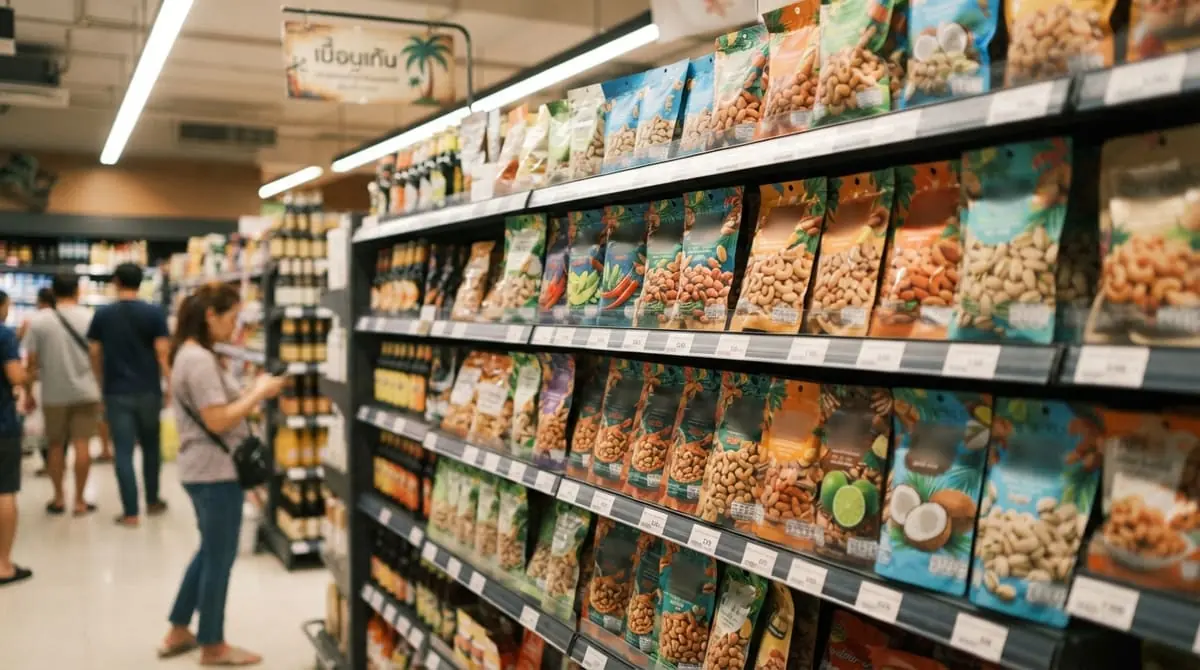
Both formats have a place, and the right choice depends on your specific product line rather than a single regional preference, confectionery/kernel demand has been reported as meaningful across Thailand, Vietnam, and South Korea specifically, but that doesn't rule out in-shell demand in other channels or countries within the region. Confirm with your own distribution partners which format their end customers expect before committing to a packaging line.
How Competitive Is This Market Already?
That's worth knowing going in: this is a functioning, somewhat competitive trade market rather than an untapped one, so differentiating on documentation quality, consistency, and responsiveness matters as much as price.
What Should You Confirm Before Sourcing for Southeast Asia?
Import documentation and food safety requirements vary by country in the region, so confirm your specific destination market's requirements rather than assuming uniform rules across Southeast Asia. UN Comtrade country-level trade data is worth checking as a starting point for scoping which markets already import meaningful volume. Our HS codes and documentation guide covers the general document set, but destination-specific rules should be confirmed with a customs broker.
Does Order Size Typically Differ From Middle East or North American Buyers?
See our MOQ guide and container loading guide for how to think through order sizing either way.
What Language or Labeling Considerations Apply in This Region?
Labeling language and format requirements vary meaningfully across Southeast Asian countries, so confirm the specific requirements for your target market rather than assuming a single regional standard applies. This is worth clarifying with your own distribution partner or a local compliance specialist alongside the general export documentation your supplier provides.
Do Import Tariffs or Trade Agreements Affect Sourcing Cost in This Region?
Tariff treatment on sunflower seeds varies by importing country and by whether China holds a specific trade agreement or preferential arrangement with that market, some ASEAN member countries apply different duty schedules to agricultural commodities than others, and preferential rates under regional trade agreements can meaningfully change the landed cost comparison between sourcing from China versus a competing origin. Confirming the applicable HS code and current duty rate for your specific destination country, rather than assuming a flat regional rate, is worth doing before finalizing a sourcing decision based on price alone.
This is also an area that shifts over time as trade agreements are renegotiated or updated, so a duty rate confirmed a year or two ago is worth re-checking rather than assumed to still be current, particularly for a buyer planning a large or recurring order. A customs broker familiar with your specific destination country's current schedule is generally a more reliable source for this than a general regional overview, and worth engaging early enough that a tariff surprise doesn't derail a landed-cost estimate you've already shared internally.
What Do China's Export Figures Show for the Region?
China-reported exports under HS 1206 to Viet Nam were 26.4 thousand tonnes in 2019 and 26.4 in 2024, to Thailand 7.7 and 13.8, and to Indonesia 12.0 and 7.2 (UN Comtrade). Thailand's volume grew over the period, while Indonesia's fell.
Customs data show shipments and not final sales, and they cover all sunflower seed. Humidity is a practical concern for the region, so agree the moisture limit and the packaging before you order.
How Large Are the Three Markets?
In the Comtrade figures above, Viet Nam, Thailand and Indonesia together account for 9.9% of China's reported 2024 sunflower seed exports by volume (Viet Nam 5.5%, Thailand 2.9%, Indonesia 1.5%). Each market is small next to the Middle East, so a buyer here is often one of a few importers rather than part of a large trade.
Check the import rules of your own country before you order, including labelling and plant-health requirements, and agree the documents with your supplier. XingYi Trading supplies in-shell confection seed only, quotes FOB, and each shipment comes with a commercial invoice and packing list.
What Are the Limits of This Guide?
The regional figures are customs records and do not show final sales or prices. Import rules differ by country and change over time, so confirm them locally before you ship.
Where Do These Numbers Come From?
- •comtradeplus.un.org - cited for: UN Comtrade. Checked 2026-10-24.
Source Confectionery Sunflower Seeds for Southeast Asia
Request a quote with your target country and volume, and we'll confirm pricing, series, and documentation for your order. Product details are on our products page, and the full buying process is in our bulk sunflower seeds buyer's guide.
Featured in This Article
Sourcing Sunflower Seeds for Your Business?
Contact XingYi Trading for pricing and samples (the buyer pays shipping) on our 361, 363, and TQ6 series.
Request a Quote
XingYi Trading
XingYi Trading — Bayannur, Inner Mongolia
More in Regional Markets
 Regional Markets
Sunflower Seed Export Statistics: Bayannur and China's Role in the Global Market
 Regional Markets
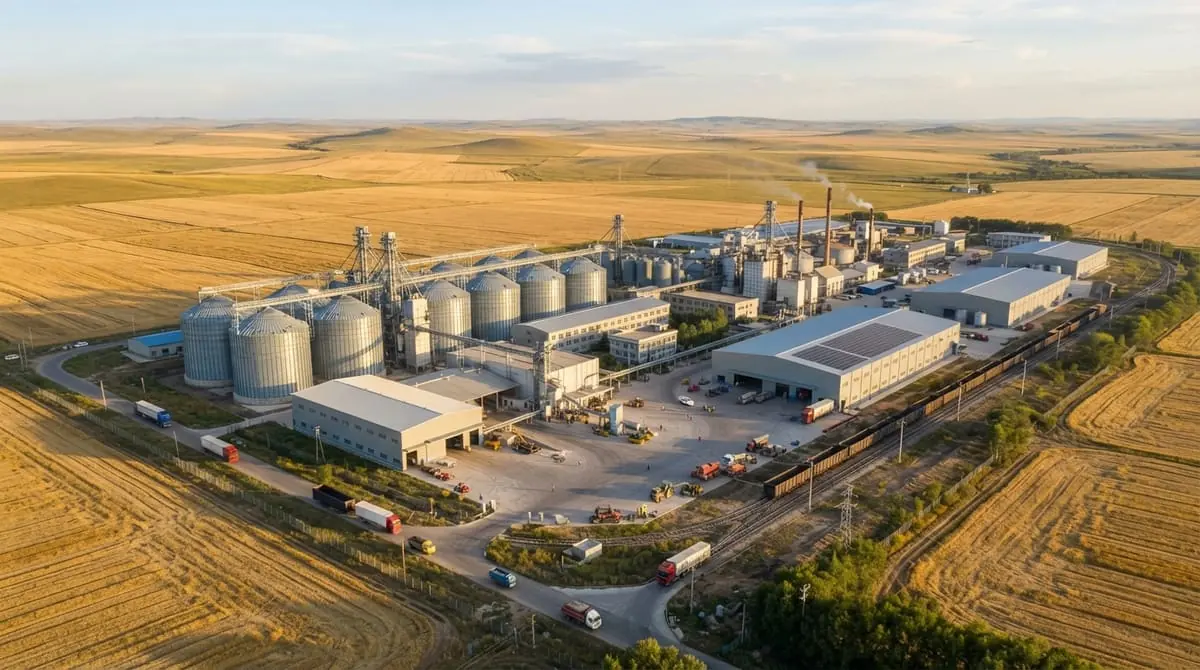
Bayannur, Inner Mongolia: Why China's Sunflower Capital Is China's Sunflower Seed Capital
 Regional Markets