
FOB, CIF, and Incoterms Explained for First-Time Sunflower Seed Importers
What FOB, CIF, and other common Incoterms actually mean for who pays what and who bears risk when — explained plainly for a first-time agricultural commodity importer.
- 1. What Is FOB (Free on Board)?
- 2. What Is CIF (Cost, Insurance and Freight)?
- 3. What's the Practical Difference Between FOB and CIF for a Buyer?
- 4. Are There Other Incoterms Worth Knowing?
- 5. Why Would a First-Time Importer Prefer DAP or DDP Over FOB?
- 6. Why Does the ICC Recommend FCA and CIP for Container Shipments?
- 7. Which Incoterm Is Most Common for Bulk Sunflower Seed Orders?
- 8. How Does the Incoterm Affect Your FOB Price Comparison?
- 9. Where Should the Chosen Incoterm Appear in Your Paperwork?
- 10. What Insurance Coverage Should a Buyer Confirm Under CIF?
- 11. Get a Quote With Your Preferred Incoterm
Incoterms — the standardized trade terms published by the International Chamber of Commerce — define exactly where the seller's responsibility ends and the buyer's begins. For a first-time importer, getting this wrong can mean an unexpected cost or an insurance gap. Here's what the terms you'll see most often actually mean.
What Is FOB (Free on Board)?
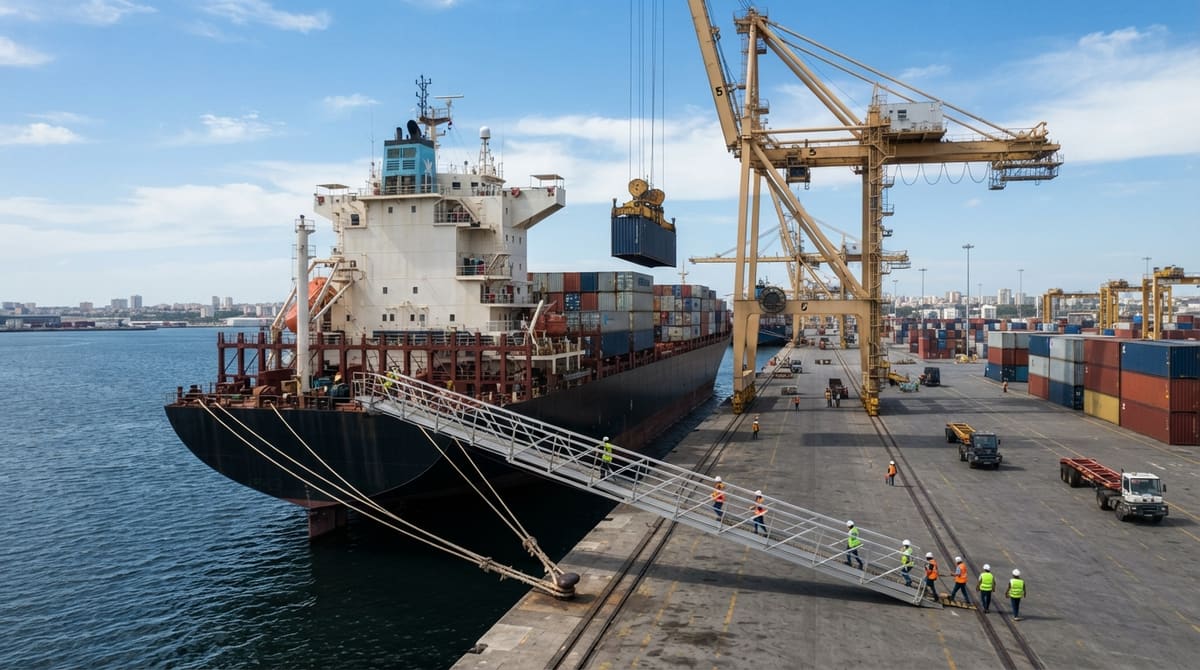
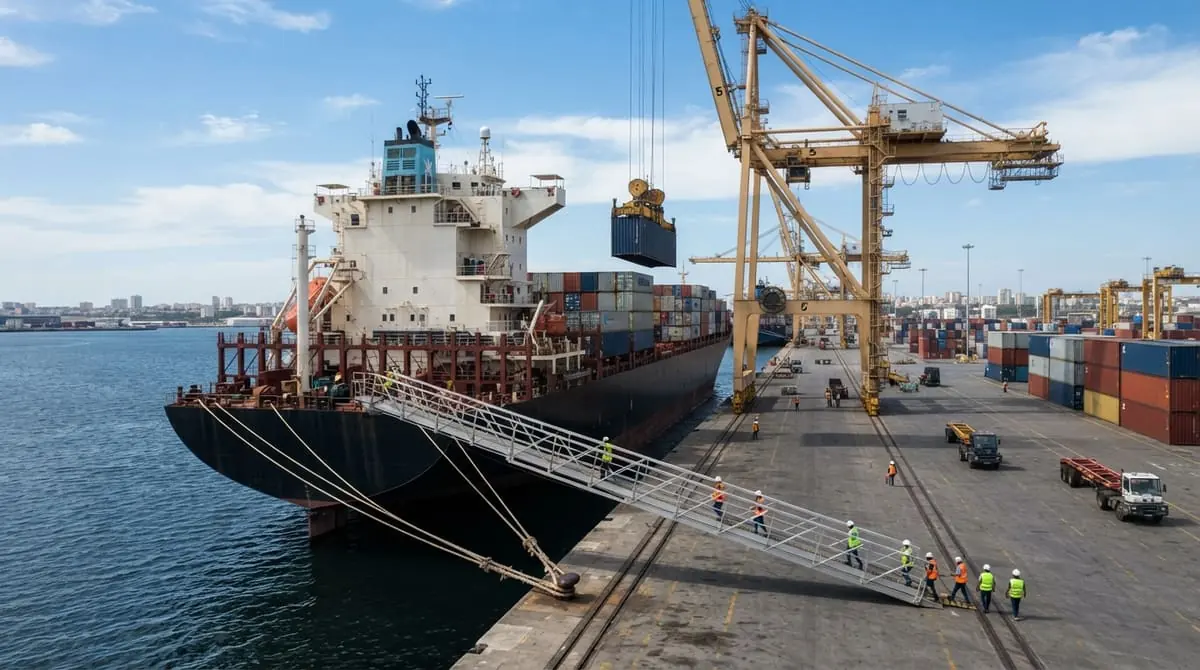
Under FOB, the seller delivers the goods loaded onto the vessel nominated by the buyer at the named port of shipment, handling export customs and loading costs. From that point on, the buyer takes on the cost and risk of freight, marine insurance, and import duties. FOB is common for buyers who want to control their own freight booking and insurance relationships.
What Is CIF (Cost, Insurance and Freight)?
Under CIF, the seller pays for carriage to the named port of destination and must arrange minimum insurance coverage to that point — but risk actually transfers to the buyer once the goods are loaded onto the vessel at the port of shipment, even though the seller is the one paying for freight and insurance. The buyer handles everything from the destination port onward, including import clearance and inland transport.
What's the Practical Difference Between FOB and CIF for a Buyer?
FOB gives the buyer more control (and more responsibility) over freight and insurance arrangements, which suits buyers with existing freight-forwarder relationships. CIF is more hands-off for the buyer upfront, since the seller arranges freight and insurance — but it's worth confirming exactly what insurance coverage level the seller has arranged, since the ICC's default minimum coverage level under CIF may be less comprehensive than a buyer would choose on their own.
Are There Other Incoterms Worth Knowing?
- •CFR (Cost and Freight) — like CIF but without an insurance obligation on the seller, meaning the buyer needs to arrange their own cargo insurance
- •EXW (Ex Works) — the buyer handles everything from the seller's factory door onward, including export customs formalities, which puts the most responsibility on the buyer of any common term
- •DAP (Delivered at Place) — the seller delivers to the buyer's named location, but the buyer still handles import clearance and duties
- •DDP (Delivered Duty Paid) — the seller delivers to the buyer's location with import duties already paid, the most seller-responsible common term
Why Would a First-Time Importer Prefer DAP or DDP Over FOB?
DAP and DDP shift more of the logistics burden onto the seller, which can be appealing if you don't yet have established freight-forwarder or customs-broker relationships of your own. The tradeoff is generally a higher quoted price, since the seller is pricing in the freight, insurance, and (for DDP) duty costs they're taking on — so it's worth comparing the all-in cost against arranging FOB and your own logistics separately before assuming DDP is more expensive overall.
Why Does the ICC Recommend FCA and CIP for Container Shipments?
FOB and CIF were originally designed for break-bulk cargo loaded directly onto a vessel, where the ship's rail was a meaningful transfer point for risk. Containerized cargo is typically handed over at a container yard well before it's loaded onto the vessel, which is part of why the ICC's own guidance recommends FCA (Free Carrier) and CIP (Carriage and Insurance Paid To) as the technically more precise terms for container shipments. In practice, FOB and CIF remain heavily used in bulk commodity trading by long-standing convention, so don't be surprised to see them quoted even for a containerized order — just confirm with your supplier and freight forwarder exactly where risk transfers under the specific term used.
Which Incoterm Is Most Common for Bulk Sunflower Seed Orders?
FOB and CIF are both widely used in bulk agricultural commodity trading by long-standing convention, even though for containerized shipments the ICC technically recommends the newer FCA and CIP terms instead. In practice, expect to see FOB and CIF quoted most often — confirm with your supplier which term a given price reflects before comparing quotes.
How Does the Incoterm Affect Your FOB Price Comparison?
Always compare quotes on the same Incoterm basis — an FOB quote and a CIF quote for the same product aren't directly comparable without adding in freight and insurance costs. See our FOB pricing guide for what's built into an FOB number specifically.
Where Should the Chosen Incoterm Appear in Your Paperwork?
The agreed Incoterm should appear explicitly on the commercial invoice and the sales contract or proforma invoice — not left as a verbal understanding. This matters because the Incoterm determines exactly which costs and risks sit with which party, and having it clearly documented avoids a dispute later if something goes wrong in transit. Our guide to supply contract terms covers what else belongs alongside the Incoterm in a well-documented agreement, and a freight forwarder's customs-clearance and Incoterms explainer covers how the term interacts with clearance specifically.
What Insurance Coverage Should a Buyer Confirm Under CIF?
Under CIF, the ICC's default minimum coverage level is Institute Cargo Clauses (C), which covers a narrower set of risks than higher coverage tiers like Clauses (A). If you want broader coverage than the default minimum, that needs to be negotiated and confirmed explicitly with the seller — don't assume a CIF quote automatically includes comprehensive insurance unless it's been specified.
Get a Quote With Your Preferred Incoterm
Request a quote and let us know whether you'd prefer FOB, CIF, or another arrangement, and we'll confirm terms for your order. For the wider buying checklist, see our bulk sunflower seeds buyer's guide.
Featured in This Article
Sourcing Sunflower Seeds for Your Business?
Contact XingYi Trading for pricing, samples, and specification sheets on our 361, 363, and TQ6 series.
Request a Quote
James Feng
XingYi Trading — Bayannur, Inner Mongolia
More in Importing & Trade
 Importing & Trade
T/T vs. Letter of Credit: Choosing Payment Terms for a Sunflower Seed Import Order
 Importing & Trade
How to Write an RFQ for Bulk Sunflower Seeds That Gets a Fast, Accurate Quote
 Importing & Trade