
What Buyers Should Ask Before Choosing a Sunflower Seed Supplier
Certifications, audits, samples, and red flags — the questions experienced B2B buyers ask before committing to an overseas sunflower seed supplier.
- 1. What Certifications Should You Ask a Supplier About?
- 2. What Should a Factory Audit or Questionnaire Cover?
- 3. What Operational Details Are Worth Verifying Directly?
- 4. How Do You Verify a Supplier Is Credible Before Committing?
- 5. What Are the Red Flags When Evaluating a Supplier?
- 6. Should You Ask About Payment Terms as Part of Supplier Vetting?
- 7. How Many References Should You Actually Contact?
- 8. What Should You Ask About a Supplier's Production Capacity?
- 9. Should You Visit a Supplier's Facility Before Committing to a Large Order?
- 10. How Should You Handle Language and Time-Zone Differences in Communication?
- 11. What's a Reasonable Timeline for the Vetting Process Itself?
- 12. How Does XingYi Trading Answer These Questions?
Choosing an overseas supplier is a bigger commitment than a single order — it's the start of a relationship you'll depend on for consistency, documentation, and communication over years, not just one shipment. Here's what experienced B2B buyers typically ask before committing.
What Certifications Should You Ask a Supplier About?
GFSI-recognized food safety certification schemes — BRCGS, IFS, and FSSC 22000 are the three most commonly cited — are a standard reference point B2B buyers use when evaluating a supplier's food safety management system. Which one matters most can depend on your own destination market's retail requirements, so it's worth asking a prospective supplier directly which certifications they hold and requesting the certificate itself rather than taking a general claim at face value.
Regional preference varies in practice: buyers selling into UK retail commonly expect BRCGS, German retail buyers often prefer IFS, and global B2B buyers more broadly tend to accept any of the three GFSI-recognized schemes. If you're sourcing for a specific retail market, it's worth checking which certification that market's retailers actually expect before assuming any one scheme is universally sufficient.
What Should a Factory Audit or Questionnaire Cover?
- •Management systems and documented food safety procedures
- •Facility layout and hygiene practices
- •HACCP-based food safety controls
- •Allergen control procedures
- •Batch-level traceability
- •Crisis and recall procedures, with documentation
What Operational Details Are Worth Verifying Directly?
- •Raw material sourcing and handling practices
- •Cross-contamination and allergen controls
- •Sanitation of food-contact surfaces
- •Contaminant testing procedures
- •Pest control programs
- •Packaging and labeling integrity
How Do You Verify a Supplier Is Credible Before Committing?
Check business licenses, request client references you can actually contact, and ask for documentation of past third-party audits (through firms like SGS or Intertek) or regulatory inspections — including how any past non-compliance was corrected. A supplier confident in its own process should have no issue sharing this. Independently tested samples, not just a supplier-provided spec sheet, are standard practice before committing to volume — see our guide on what happens after you request samples for how that process works with us specifically.
What Are the Red Flags When Evaluating a Supplier?
Unwillingness to provide references or share factory audit reports is one of the most commonly cited red flags in B2B sourcing guidance. Vague or evasive answers about production processes, raw-material origin, or basic capacity numbers are another. A supplier that's transparent about its own facility and process — including inviting direct questions — is generally a better long-term partner than one that deflects them.
Should You Ask About Payment Terms as Part of Supplier Vetting?
Yes — clarifying payment structure (deposit/balance split, T/T vs. L/C) up front is part of vetting a supplier, not a separate later conversation. See our complete import guide for how payment terms typically work for a first order.
How Many References Should You Actually Contact?
There's no fixed number, but a supplier that can only provide one reference — or hesitates when asked for more than one — is worth a closer look. Where possible, ask for references from buyers in a market similar to your own (similar destination country, similar product use case), since their experience with documentation and lead times will be more directly relevant to what you can expect.
What Should You Ask About a Supplier's Production Capacity?
Ask specifically about daily and annual output, number of production lines, and how capacity is allocated between existing customers and new orders — a supplier that's vague about capacity numbers may struggle to meet a large or time-sensitive order once you're committed. It's a reasonable question to ask directly, and a transparent supplier should be able to answer it without hesitation.
Should You Visit a Supplier's Facility Before Committing to a Large Order?
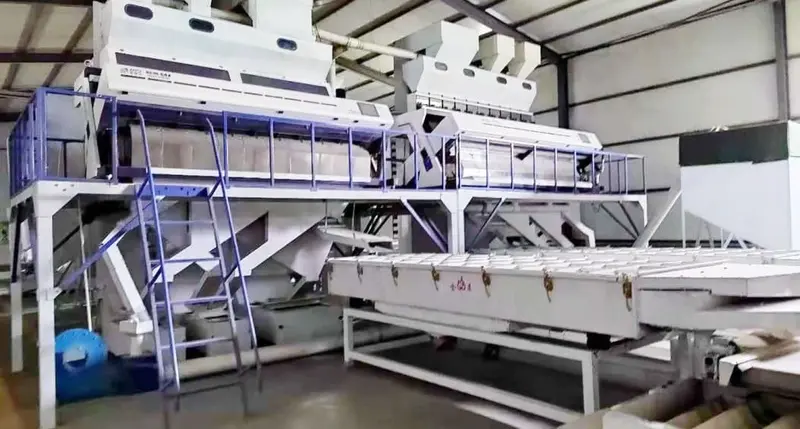
For a first-time buyer planning a significant volume commitment, an in-person facility visit — or, if travel isn't practical, a live video walkthrough — adds a level of verification that photos and documents alone can't provide. It's not always necessary for a smaller trial order, but it's worth considering before scaling to a full container relationship, particularly if you haven't worked with the supplier before.
How Should You Handle Language and Time-Zone Differences in Communication?
Clear, written confirmation of every key term — price, quantity, specifications, payment structure, timeline — reduces the risk of a misunderstanding that only surfaces once an order is already in production. This matters more, not less, when working across a language and time-zone difference, since a quick clarifying phone call isn't always practical. Confirming details in writing (email, not just a chat message) also gives you a paper trail if a dispute arises later.
What's a Reasonable Timeline for the Vetting Process Itself?
Rushing supplier vetting to meet a tight internal deadline is one of the more common mistakes first-time buyers make — proper vetting (certifications, references, samples, a written agreement on terms) takes real time, and compressing it to save a few weeks can cost far more if it leads to a bad supplier relationship. Build vetting time into your own planning timeline rather than treating it as a step to rush through.
How Does XingYi Trading Answer These Questions?
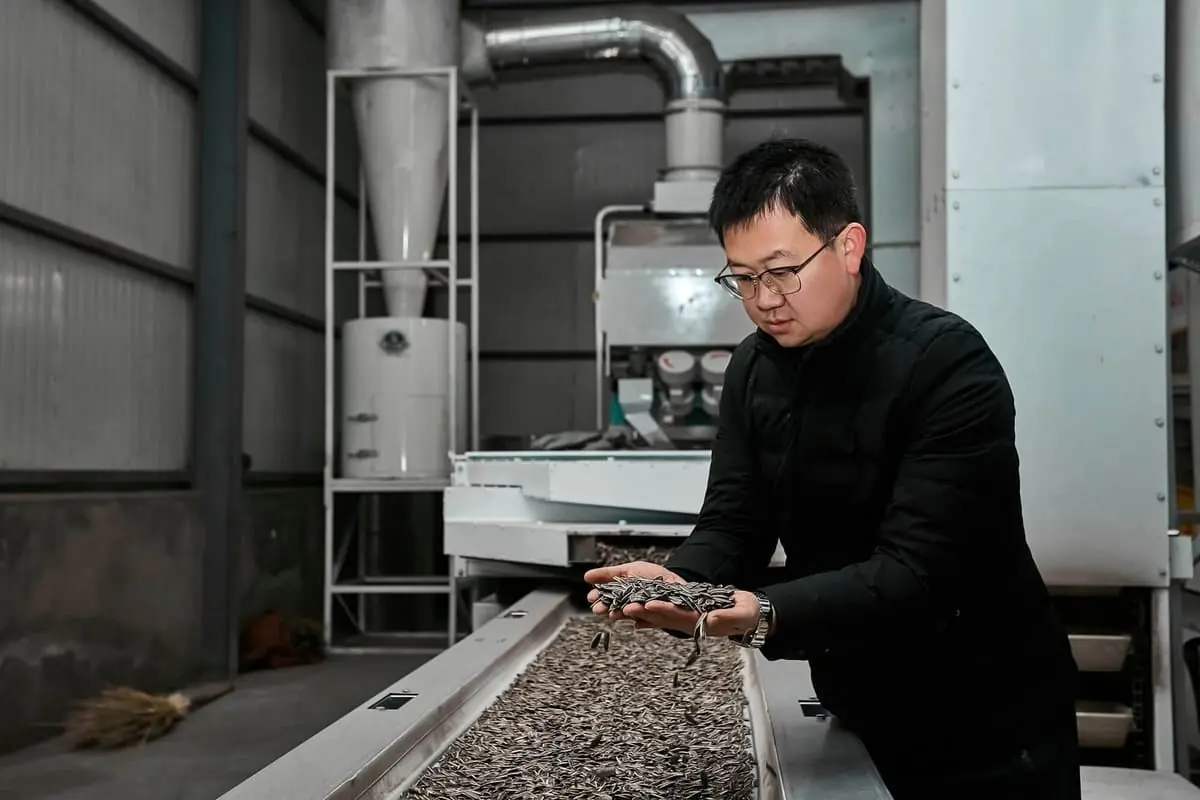
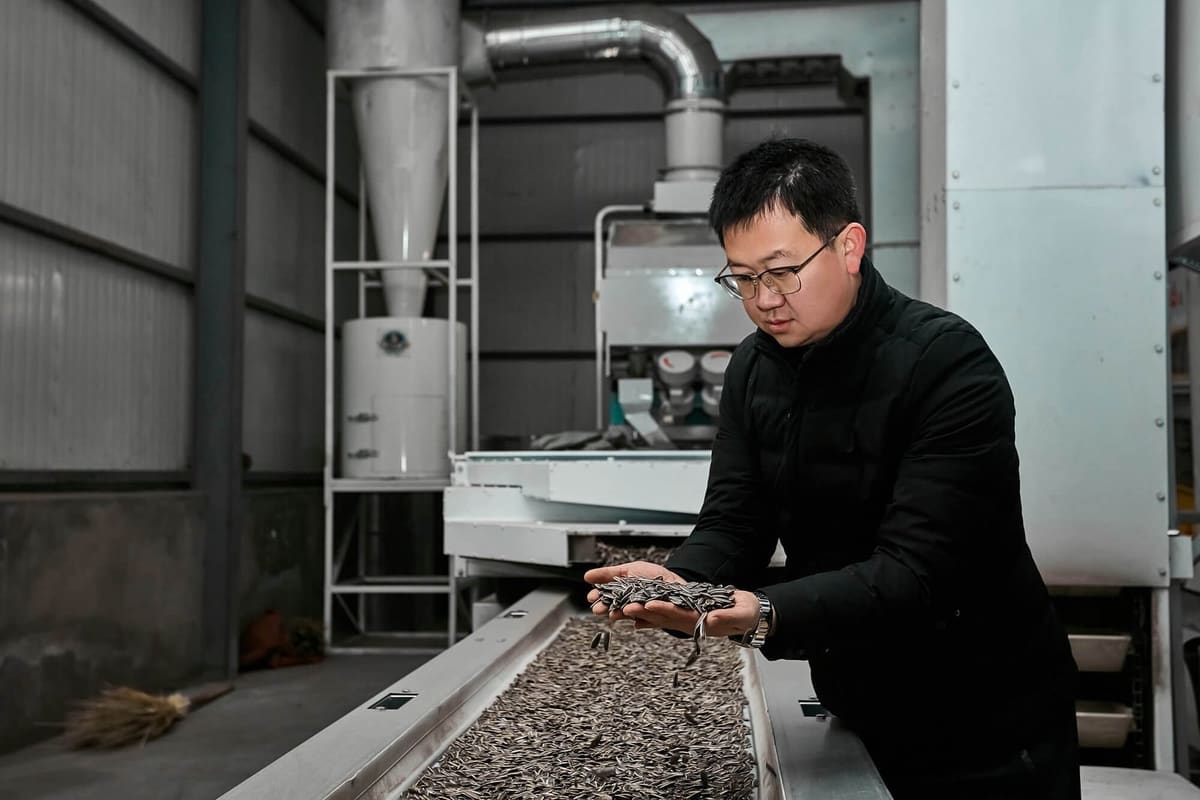
We've operated from Linhe First Farm, Bayannur City, Inner Mongolia since 2014, and our Capabilities section covers our own 16-stage inspection line, production capacity, and quality control process in detail. Ask us anything you'd ask another supplier — request samples and a specification sheet and compare the answers directly.
Featured in This Article
Sourcing Sunflower Seeds for Your Business?
Contact XingYi Trading for pricing, samples, and specification sheets on our 361, 363, and TQ6 series.
Request a Quote
James Feng
XingYi Trading — Bayannur, Inner Mongolia
More in Quality & Sourcing
 Quality & Sourcing
Do You Need a Third-Party Inspection for Your Sunflower Seed Order?
 Quality & Sourcing
How Buyers Verify They're Getting Real Confectionery Sunflower Seeds, Not Mislabeled Product
 Quality & Sourcing