Private-Label Sunflower Seeds: What Snack Brands and Distributors Should Know
How the private-label process actually works for a snack brand or distributor building a sunflower seed product under their own name — not the bag mechanics, but the business relationship.
- 1. What Do the Key Terms Mean?
- 2. What Does "Private-Label" Actually Mean in Practice?
- 3. What Does the Private-Label Process Actually Involve?
- 4. Can You Customize Flavor or Seasoning for a Private-Label Line?
- 5. How Does Private-Label Differ From Buying Wholesale to Resell?
- 6. What Food Safety Documentation Should Come With a Private-Label Order?
- 7. Should You Approve a Sample Before Committing to Full Production?
- 8. How Does MOQ Work for Private-Label Orders Specifically?
- 9. Does XingYi Trading Offer Private-Label Packaging?
- 10. How Long Does It Take to Launch a Private-Label Product?
- 11. Who Owns the Packaging Artwork and Design in a Private-Label Arrangement?
- 12. Can a Small Brand Start With a Smaller Private-Label Trial Run?
- 13. What Ongoing Communication Does a Private-Label Relationship Require?
- 14. How Large Is Private Label in the United States?
- 15. Which Retail Categories Grew Fastest in 2025?
- 16. What Does a Private-Label Price Include?
- 17. How Does Private Label Connect to Our Other Guides?
- 18. What Are the Limits of This Guide?
- 19. What Should You Settle First?
- 20. Where Do These Numbers Come From?
- 21. Start a Private-Label Conversation
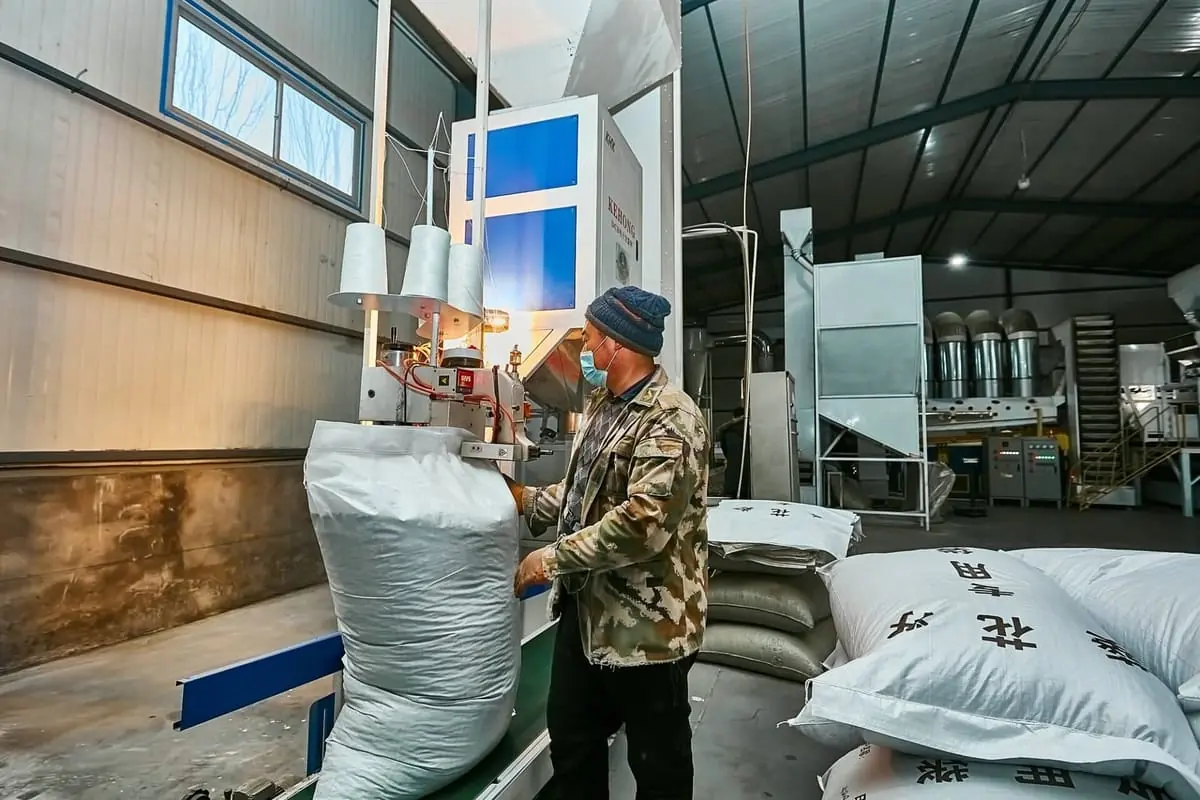
Private-label sunflower seeds means a brand's own name and packaging on a product manufactured by a supplier like XingYi Trading, the brand controls positioning, pricing, and where it sells, without owning a processing facility. Here's how that relationship actually works.
What Do the Key Terms Mean?
A private-label (or store brand) product is one sold under a retailer's or brand owner's own name rather than the manufacturer's, and PLMA, the trade association that tracks the sector, uses the term 'store brand' (PLMA).
Dollar share is the share of total sales value held by store brands, while unit share is the share of units sold.
What Does "Private-Label" Actually Mean in Practice?
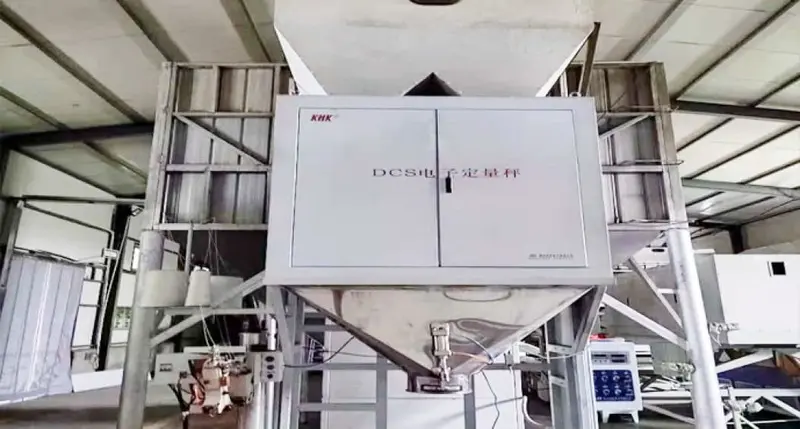
A private-label or co-packing arrangement means a manufacturer produces the product to your specifications, but it's sold under your brand name rather than the manufacturer's own, you control branding, packaging design, pricing, and distribution channel. This is distinct from buying a supplier's own branded product to resell; private label puts your name on the package from the start.
What Does the Private-Label Process Actually Involve?
- •Confirm target series, grade, and form (XingYi Trading supplies in-shell confection seed)
- •Finalize packaging format, bag size, material, and your artwork/branding
- •Confirm nutrition labeling requirements for your destination market, including the specific rounding and formatting rules that apply to a US nutrition facts panel
- •Agree on minimum order quantity and lead time
- •Approve a sample run before the full production order
Can You Customize Flavor or Seasoning for a Private-Label Line?
This depends on the supplier's processing capability, some suppliers offer roasting and light seasoning as part of their line, while others supply raw or roasted-plain product for the brand to season separately at a co-packer. Confirm what's actually possible with your specific supplier rather than assuming full customization is standard across the industry.
How Does Private-Label Differ From Buying Wholesale to Resell?
Buying wholesale to resell means purchasing an existing product (possibly already branded) and selling it as-is or repackaging it minimally. Private-label means the product is built around your brand from the start, your packaging, your label, your positioning, which gives you more control but generally requires a higher minimum order to justify a dedicated production run.
What Food Safety Documentation Should Come With a Private-Label Order?
Each shipment comes with a commercial invoice and packing list; for a certificate of origin, phytosanitary certificate or other documents, confirm with us before ordering, plus, if your destination market requires it, documentation supporting your own nutrition facts panel. See our certifications comparison guide for what to ask about specifically.
Should You Approve a Sample Before Committing to Full Production?

Yes, this is standard practice for private-label specifically, since you're committing to packaging and branding built around a specific product spec. Approving a physical sample (not just a spec sheet) before the full run confirms the product matches what you're putting your brand name on, similar to the sample-to-bulk process covered for standard bulk orders.
How Does MOQ Work for Private-Label Orders Specifically?
Private-label MOQ is often somewhat higher than a generic bulk order MOQ, since custom packaging and branding add setup cost that needs to be spread across a meaningful volume. See our general MOQ explainer for the underlying container-fill economics, and confirm your specific private-label MOQ directly when you request a quote.
Does XingYi Trading Offer Private-Label Packaging?
Yes, tell us your target bag size, branding, and volume when you request a quote, and we'll confirm what's possible for your specific product line, alongside the packaging formats we offer more generally.
How Long Does It Take to Launch a Private-Label Product?
Timeline depends heavily on how much customization is involved, a straightforward private-label run using an existing bag format with only artwork changed can move faster than a fully custom packaging development with new bag dimensions or materials. Confirm a realistic timeline for your specific requirements early, particularly if you're planning a launch date tied to a retail placement or selling season.
Who Owns the Packaging Artwork and Design in a Private-Label Arrangement?
You do, private-label means your brand, your artwork, and your intellectual property, with the supplier producing to your specification rather than retaining any ownership claim over your branding. Confirm this is addressed clearly in your purchase agreement, particularly around file ownership and whether the supplier can reuse your artwork for any other purpose (they generally shouldn't, without your separate agreement).
Can a Small Brand Start With a Smaller Private-Label Trial Run?
Some suppliers offer more flexibility on a first private-label order specifically to let a newer brand test the product and packaging before committing to a larger volume, but this isn't universal, and private-label setup costs (artwork proofing, packaging tooling) mean a very small first run may not be cost-effective for either side. Raise your target volume honestly when you first inquire so a supplier can tell you directly whether it's workable rather than finding out after significant back-and-forth.
What Ongoing Communication Does a Private-Label Relationship Require?
More than a one-time transaction, a private-label relationship generally works best with periodic check-ins on production consistency, any planned changes to formulation or packaging, and forward visibility into your ordering calendar so the supplier can plan production capacity accordingly.
Sharing your rough forecast for the next few orders, even informally, generally helps a supplier plan raw material and production scheduling more reliably than being asked to fulfill each order as a surprise request, which can also translate into more consistent lead times for you.
How Large Is Private Label in the United States?
PLMA reports that US store brand sales reached a record $282.8 billion in 2025, up 3.3% against 1.2% for national brands, with a 21.3% dollar share (up from 19.1% in 2021) and a record 23.5% unit share (up from 21.6%), in all outlets, from Circana Unify+ data for the 52 weeks ending December 28, 2025 (PLMA). The release does not break out seeds or snacks, so it describes the sector, not our product.
Which Retail Categories Grew Fastest in 2025?
Within store brands, dollar sales grew 6.1% in refrigerated, 4.8% in beverages, 3.7% in pet care, 2.4% in frozen and 1.6% in general food, the closest category to packaged snacks (PLMA). General food grew more slowly than the sector as a whole, which is a reminder that a growing sector does not guarantee growth in every aisle.
What Does a Private-Label Price Include?
- •Seed price per metric tonne at the agreed Incoterm and moisture.
- •Packaging per unit, including printing, plus any tooling or proofing costs.
- •Freight, insurance, duty and port charges per tonne.
- •Warehousing and handling at destination.
- •The retailer's margin and any promotional allowances.
How Does Private Label Connect to Our Other Guides?
A private-label programme draws on several of our guides: packaging formats for bag choices, MOQ for volume, the nutrition facts guide for label data, and the supply contract terms for the agreement. Read them in that order if you are planning a first run.
What Are the Limits of This Guide?
A private-label programme depends on your market, your retailer's requirements and the packaging rules where you sell. This guide describes the general steps and does not fix prices, minimums or timelines, which have to be agreed in a quote.
What Should You Settle First?
Settle the pack and the volume before the artwork. Bag size, material and the quantity per print run decide the cost and the lead time, and the artwork can be adjusted around them.
Then agree who approves each proof, and by when.
Where Do These Numbers Come From?
- •PLMA: US private label reached $282.8 billion in 2025 - private-label sales and dollar share. Checked October 2026.
Start a Private-Label Conversation
Request a quote with your target packaging and branding requirements, and we'll confirm what we can supply for your product line. Product details are on our products page, and the full buying process is in our bulk sunflower seeds buyer's guide.
Featured in This Article
Sourcing Sunflower Seeds for Your Business?
Contact XingYi Trading for pricing and samples (the buyer pays shipping) on our 361, 363, and TQ6 series.
Request a Quote
XingYi Trading
XingYi Trading — Bayannur, Inner Mongolia
More in Quality & Sourcing
 Quality & Sourcing
BRC vs. IFS: Food Safety Certifications Sunflower Seed Buyers Should Ask About
 Quality & Sourcing
Supplier Self-Audit Checklist: What to Confirm Before You Commit to an Order
 Quality & Sourcing