
Phytosanitary Certificates & Certificate of Origin: A Buyer's Documentation Checklist
What these two documents actually certify, who issues them, and why importing countries require them specifically for seed shipments.
- 1. What Does a Phytosanitary Certificate Certify?
- 2. Who Issues Phytosanitary Certificates for Shipments From China?
- 3. What Does a Certificate of Origin Certify?
- 4. What's the Practical Difference Between These Two Documents?
- 5. Is There a Different Process for Re-Export Shipments?
- 6. What Happens If a Phytosanitary Inspection Finds an Issue?
- 7. Can a Buyer Request a Copy of the Certificate Before Shipment?
- 8. Does Wood Packaging Need Its Own Certificate?
- 9. How Long Does It Take to Get These Documents Issued?
- 10. What Other Documents Usually Travel Alongside These Two?
- 11. What Should You Do If a Certificate Contains an Error?
- 12. Sourcing Seeds With Full Documentation Already Handled?
Of all the documents in a sunflower seed export shipment, the phytosanitary certificate and certificate of origin are the two most likely to hold up customs clearance if something's off — because both are issued by government bodies on their own schedule, not something a supplier can produce instantly. Here's what each one actually certifies.
What Does a Phytosanitary Certificate Certify?
A phytosanitary certificate is a legally binding document attesting that a shipment of plants or plant products is free of regulated pests and meets the importing country's phytosanitary requirements. It's required for regulated articles including seeds, grain, and other plant products — inspection typically covers the product itself, its packaging, and the transport vehicle, with samples lab-tested when needed before the certificate is issued.
The underlying justification is a Pest Risk Analysis (PRA) — the technical process import countries use to identify seed-borne pests, contaminating arthropods, fungal structures, and even weed seeds mixed into a seed lot as genuine pest risks worth screening for at the border.
Who Issues Phytosanitary Certificates for Shipments From China?
Phytosanitary certificates for Chinese exports are issued by port animal and plant quarantine offices under the General Administration of Customs China (GACC). China has notified the WTO of standard certificate templates, including a separate template for re-export shipments where relevant.
What Does a Certificate of Origin Certify?
A certificate of origin certifies the country where a shipment's goods were produced or grown — for sunflower seeds, that's normally the country where the crop was cultivated. This matters because origin determines which pest/disease risk profile and trade-agreement treatment apply to the shipment.
What's the Practical Difference Between These Two Documents?
It's easy to conflate the two since both accompany the same shipment, but they answer different questions: the phytosanitary certificate answers "is this shipment pest-free and safe to enter," while the certificate of origin answers "where was this actually grown." A shipment needs both because customs and agricultural authorities use them for different purposes — trade treatment and duty eligibility on one hand, pest-risk screening on the other.
Is There a Different Process for Re-Export Shipments?

Yes — China has notified the WTO of a separate phytosanitary certificate template specifically for re-export shipments, distinct from the standard certificate used for goods grown and processed directly in China. If your shipment involves any re-export component, confirm with your supplier and freight forwarder which template applies, since using the wrong one can cause delays at the destination.
What Happens If a Phytosanitary Inspection Finds an Issue?
If an inspection identifies a pest or contamination concern, the shipment can be held pending further testing, treated (fumigated, if the issue relates to the wood packaging specifically), or in the most serious cases, rejected entirely. This is exactly why proper facility hygiene and pest control upstream — the kind covered in a supplier's own quality control process — matters well before a shipment ever reaches the inspection stage.
Can a Buyer Request a Copy of the Certificate Before Shipment?
Yes, and it's reasonable to ask for a copy of both the phytosanitary certificate and certificate of origin as soon as they're issued, rather than waiting until the shipment arrives to see them for the first time. Reviewing them against your commercial invoice and packing list early gives you time to flag any discrepancy while the shipment is still in transit rather than discovering a problem at your own customs clearance.
Does Wood Packaging Need Its Own Certificate?
If a shipment uses wood packaging materials — pallets or crates — those need to meet the ISPM 15 standard (heat-treated and IPPC-marked) rather than requiring a separate phytosanitary certificate specifically for the wood. Non-compliant wood packaging can be held, returned, or destroyed at the destination port, so confirm this with your freight forwarder ahead of shipping.
How Long Does It Take to Get These Documents Issued?
Both documents are issued by government inspection bodies on their own processing schedule, not on-demand — which is why building buffer time into your shipping timeline matters, especially for a first order where you don't yet have a sense of typical turnaround. See our complete import guide for how this fits into the overall shipment timeline.
What Other Documents Usually Travel Alongside These Two?
A typical shipment also includes a commercial invoice, packing list, and bill of lading, plus a fumigation certificate if wood packaging requires it. See our full HS codes and documentation breakdown for the complete list.
What Should You Do If a Certificate Contains an Error?
Catch it as early as possible — ideally when the supplier first shares copies, not after the shipment has already left port. A misspelled company name, an incorrect HS code, or a mismatched quantity between the certificate and the commercial invoice can all trigger a hold at destination customs, and correcting a government-issued certificate after the fact generally means going back through the same issuing office that produced it originally, which adds real time to an already-tight schedule.
Cross-checking the certificate of origin and phytosanitary certificate against the commercial invoice, packing list, and bill of lading — confirming quantities, product description, and consignee details all match exactly — is a five-minute check that catches most of the errors that would otherwise surface as an expensive delay at the destination port.
Sourcing Seeds With Full Documentation Already Handled?
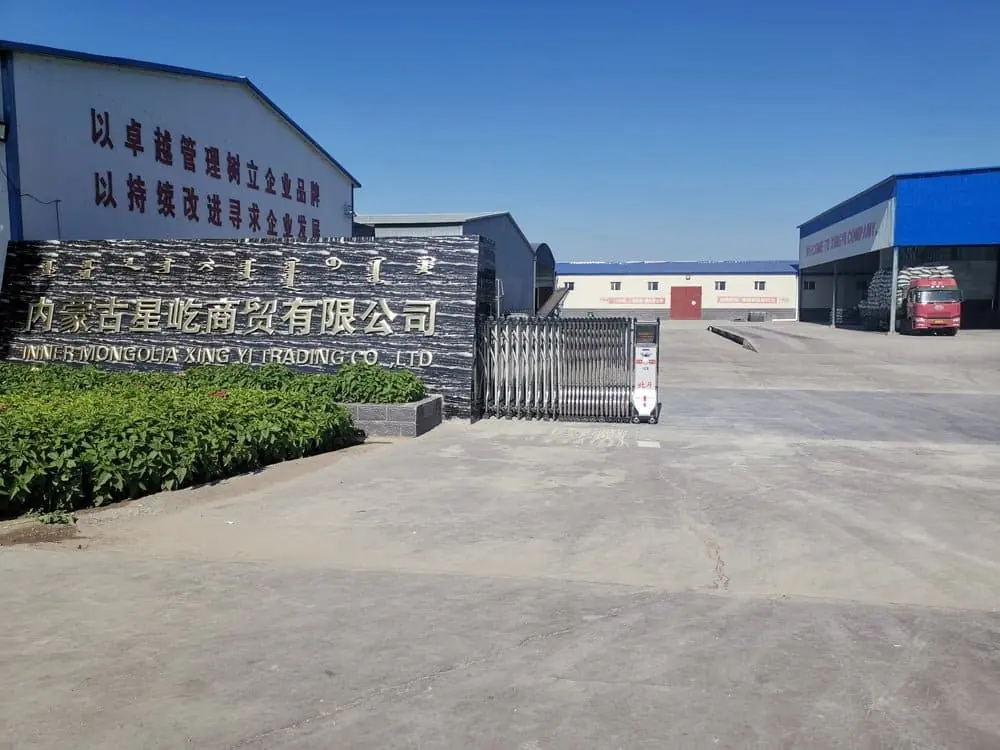
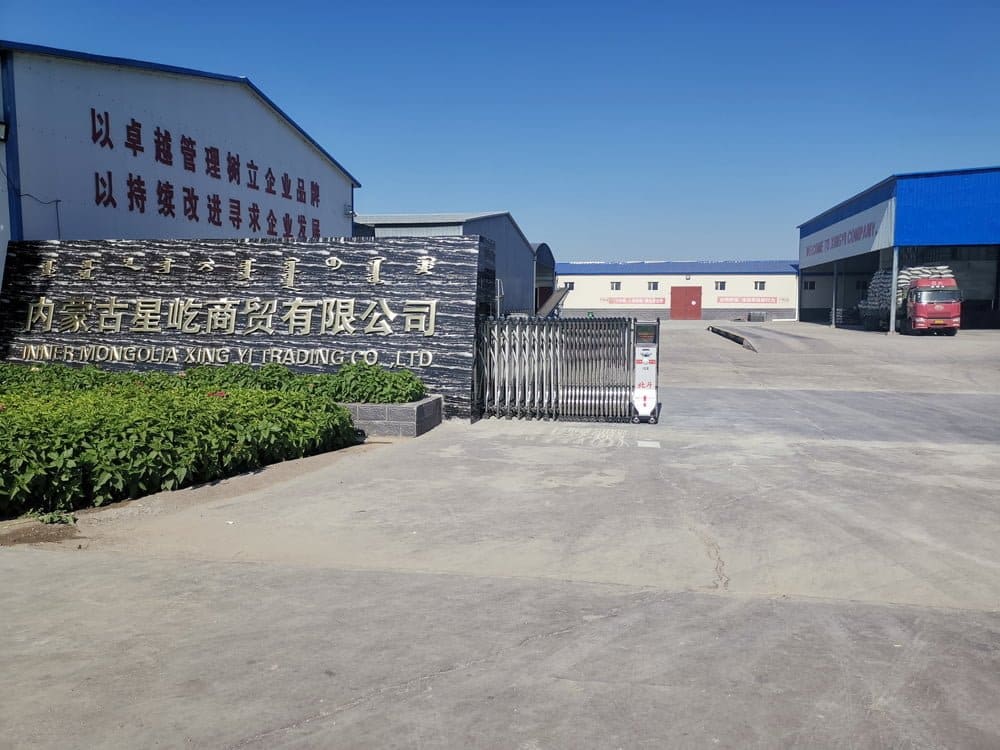
XingYi Trading arranges phytosanitary certification and certificate of origin for every export shipment from our Bayannur facility. Request a quote with your destination country and documentation requirements.
Featured in This Article
Sourcing Sunflower Seeds for Your Business?
Contact XingYi Trading for pricing, samples, and specification sheets on our 361, 363, and TQ6 series.
Request a Quote
James Feng
XingYi Trading — Bayannur, Inner Mongolia
More in Importing & Trade
 Importing & Trade
T/T vs. Letter of Credit: Choosing Payment Terms for a Sunflower Seed Import Order
 Importing & Trade
How to Write an RFQ for Bulk Sunflower Seeds That Gets a Fast, Accurate Quote
 Importing & Trade