FSVP Explained: What FDA's Foreign Supplier Verification Program Means for Sunflower Seed Importers
What FSVP actually requires a US importer to do, who's responsible for it, and how it fits alongside the other documentation covered in our import guide.
- 1. What Do the Key Terms Mean?
- 2. What Is FSVP and Who Does It Apply To?
- 3. What Does an Importer Actually Have to Do Under FSVP?
- 4. Who Is the "Qualified Individual" FSVP Requires?
- 5. What Identification Does an Importer Need at Entry?
- 6. Are There Any Exemptions From FSVP?
- 7. How Does FSVP Connect to Choosing a Supplier?
- 8. How Does XingYi Trading Support a Buyer's FSVP Compliance?
- 9. How Often Does an Importer Need to Re-Verify a Supplier Under FSVP?
- 10. Does a Small or First-Time Importer Get Any Exemption From FSVP?
- 11. Can an Importer Outsource FSVP Compliance to a Third Party?
- 12. How Should a New Importer Get Started With FSVP Compliance?
- 13. How Often Must a Supplier Evaluation Be Repeated?
- 14. What Verification Activities Does FDA List?
- 15. What Is a Very Small Importer?
- 16. When Did the DUNS Requirement Start?
- 17. What Can a Supplier Provide to Support Your File?
- 18. What Are the Limits of This Guide?
- 19. Where Do These Numbers Come From?
- 20. Discuss Documentation for Your Order
FSVP is one of the parts of the Food Safety Modernization Act that directly affects US importers, not just domestic food facilities. Here's what it actually requires. This is general information, not legal or compliance advice, confirm your specific obligations with a licensed customs broker or food-compliance specialist.
What Do the Key Terms Mean?
The FSVP importer is, in FDA's words, the U.S. owner or consignee of a food offered for import, or the U.S. agent or representative of the foreign owner or consignee if there is no U.S. owner or consignee (FDA FSVP rule page).
A Unique Facility Identifier (UFI) is the identifier the FSVP importer provides with each entry line, and FDA recognises the DUNS number as an acceptable UFI.
A SAHCODHA hazard is one with a reasonable probability of serious adverse health consequences or death, and it is the case in which FDA generally expects annual on-site audits of the supplier.
What Is FSVP and Who Does It Apply To?

The Foreign Supplier Verification Program requires US importers to verify that their foreign food suppliers meet US food safety standards, it applies to the US-based importer, not the overseas factory, and covers manufacturers, retailers, and distributors bringing food into the US, with some exemptions for specific food categories.
What Does an Importer Actually Have to Do Under FSVP?
- •Conduct a hazard analysis identifying biological, chemical, and physical hazards for each imported food
- •Evaluate the foreign supplier's food safety practices and compliance history before approving them
- •Perform ongoing verification activities, audits, sampling/testing, or documented record review, depending on the hazard level
- •Take corrective action if a verification activity identifies a problem
- •Maintain records demonstrating all of the above
Who Is the "Qualified Individual" FSVP Requires?
All FSVP activities must be performed or overseen by a "Qualified Individual", someone with the education, training, or experience needed to conduct hazard analyses and evaluate food safety practices. This doesn't have to be a specialized outside consultant, but it does mean the responsibility can't be handled casually by someone without relevant background.
What Identification Does an Importer Need at Entry?
Importers must provide their name, email address, and a recognized Unique Facility Identifier (UFI), typically a free D&B DUNS Number, at the time of each entry filing. This is a straightforward registration step, but missing it can hold up an otherwise compliant shipment at the port.
Are There Any Exemptions From FSVP?
Yes, for specific categories, dietary supplements have modified requirements under separate FDA CGMP rules, and certain foods already subject to other FDA regulatory frameworks (like FDA-regulated fish and juice under HACCP) may be exempt from some FSVP provisions.
How Does FSVP Connect to Choosing a Supplier?
FSVP's supplier-evaluation requirement is exactly why the vetting process covered in our what to ask a supplier guide and self-audit checklist matters beyond just quality assurance, documenting that evaluation is part of what FSVP compliance actually looks like in practice, not a separate exercise.
How Does XingYi Trading Support a Buyer's FSVP Compliance?
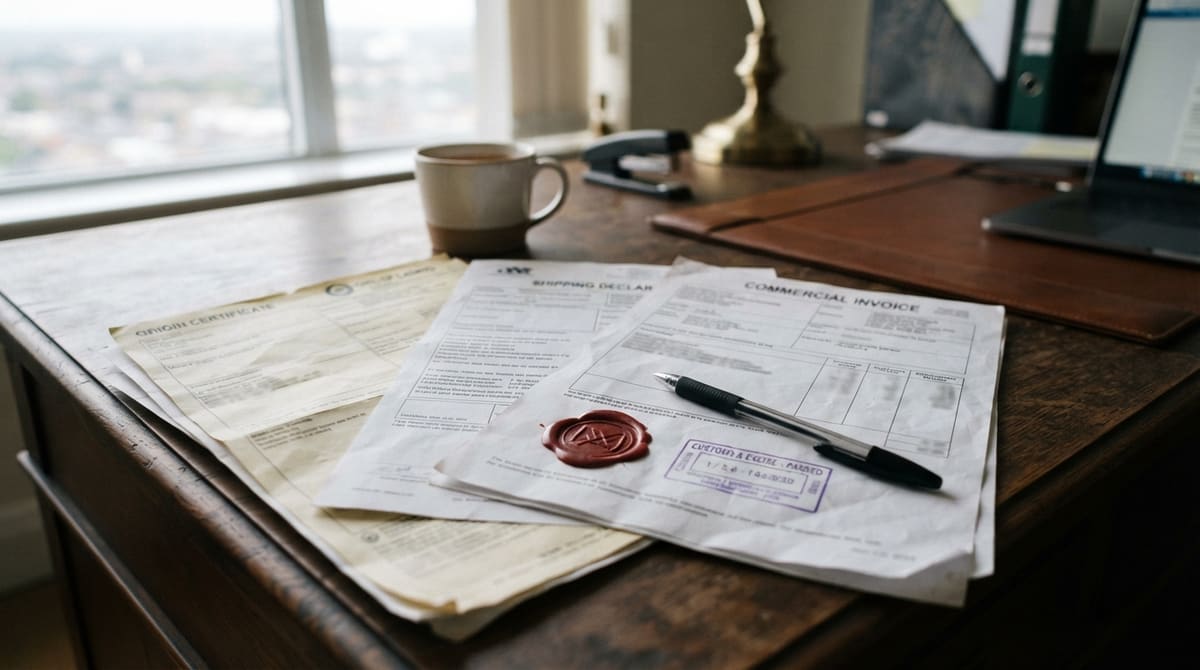
Each shipment comes with a commercial invoice and packing list. Ask us before you order which other documents we can provide for your FSVP hazard analysis and supplier evaluation. Confirm what you need for your specific compliance process when you request a quote.
How Often Does an Importer Need to Re-Verify a Supplier Under FSVP?
FSVP is not a one-time approval, verification activities need to continue on an ongoing basis, with the frequency and type (audit, sampling, or documentation review) determined by the hazard analysis for that specific food. A supplier that passed an initial evaluation still needs periodic re-verification, which is one of the reasons FSVP compliance is closer to an ongoing program than a single checklist you complete once and file away.
Does a Small or First-Time Importer Get Any Exemption From FSVP?
Most exemptions are tied to food category (juice, fish and fishery products under HACCP, alcoholic beverages, food for research and others), but FDA also defines 'very small importers', who have modified requirements, using $1 million in annual human food sales averaged over three years. A first-time importer bringing in a single container of confectionery sunflower seed has the same underlying FSVP obligation as an established importer bringing in dozens of shipments a year, even if the practical scale of the verification program looks different.
Can an Importer Outsource FSVP Compliance to a Third Party?
The Qualified Individual role can be filled by an outside consultant or compliance firm rather than an in-house employee, and many smaller importers take this approach rather than building internal food-safety expertise from scratch. The FSVP importer remains responsible for FSVP compliance even when the actual verification work is performed by a contracted specialist, outsourcing the work doesn't transfer the underlying obligation.
How Should a New Importer Get Started With FSVP Compliance?
Start by identifying who within your organization (or which outside consultant) will serve as your Qualified Individual, since every other FSVP requirement flows from that role being properly filled before your first shipment arrives.
For a first-time importer, it's worth budgeting real time for this alongside the commercial negotiation, rather than treating FSVP as something to figure out only once a shipment is already in transit, a hazard analysis and supplier evaluation done properly take genuine research and documentation effort, not just a quick form to fill in.
How Often Must a Supplier Evaluation Be Repeated?
FDA states that the supplier evaluation must be reevaluated at least every three years, or sooner when new information arises, such as a food safety problem or a change in the supplier's process (FDA). A calendar reminder for the three-year point, and a rule to re-check after any complaint, keeps the file current.
What Verification Activities Does FDA List?
The options are annual on-site audits of the supplier's facility, sampling and testing, and review of the supplier's relevant food safety records, and an importer may use another method if it documents why it is appropriate and provides adequate assurances. Annual on-site audits are generally required where there is a reasonable probability of serious adverse health consequences or death. The hazard analysis for your product decides which applies.
What Is a Very Small Importer?
FDA defines a very small importer by annual sales of $1 million for human food, combining food sales and the U.S. market value of food held, averaged over three years, and such importers have modified requirements (FDA). A first-time importer should not assume it qualifies, and should read the definition against its own sales before relying on it.
When Did the DUNS Requirement Start?
FDA states that beginning July 24, 2022, FSVP importers must provide a DUNS number as their unique facility identifier when filing entry with CBP, together with their name and email address. Missing identifiers can delay entry, so confirm that your customs broker has them before the first shipment.
What Can a Supplier Provide to Support Your File?
- •A written specification and the hazard-relevant controls in the process.
- •Certificates from a GFSI-recognised scheme, with scope and expiry dates. (XingYi Trading's confirmed certification is ISO 22000, which is not itself a GFSI-recognised scheme; ask us for the certificate.)
- •Test results for the lot, such as moisture and any contaminant testing you request.
- •Allergen and cross-contact information, as covered in our allergen labeling guide.
- •Records of corrective actions after past deviations.
What Are the Limits of This Guide?
This guide describes FSVP in general terms and is not legal or compliance advice. Whether a given importer is covered, and by which requirements, depends on its own facts, so confirm with FDA guidance or a qualified adviser.
Where Do These Numbers Come From?
- •FDA: FSVP final rule page - the importer's duties, the very small importer definition, reassessment and DUNS requirements. Checked October 2026.
- •FDA: FSVP small entity compliance guide - who is covered, and the education, training or experience a qualified individual needs. Checked 2026-10-23.
Discuss Documentation for Your Order
Request a quote and let us know what documentation supports your FSVP compliance process. Product details are on our products page, and the full buying process is in our bulk sunflower seeds buyer's guide.
Featured in This Article
Sourcing Sunflower Seeds for Your Business?
Contact XingYi Trading for pricing and samples (the buyer pays shipping) on our 361, 363, and TQ6 series.
Request a Quote
XingYi Trading
XingYi Trading — Bayannur, Inner Mongolia
More in Importing & Trade
 Importing & Trade
T/T vs. Letter of Credit: Choosing Payment Terms for a Sunflower Seed Import Order
 Importing & Trade
How to Write an RFQ for Bulk Sunflower Seeds That Gets a Clear Quote
 Importing & Trade