
Sunflower Seed HS Codes & Export Documentation: What Buyers Need to Know
The correct HS code classification for sunflower seeds, how it varies by destination market, and the full documentation checklist a shipment needs to clear customs.
- 1. What Is the HS Code for Sunflower Seeds?
- 2. How Do You Actually Look Up the Correct Tariff Code?
- 3. Why Does the EU Use Two Different Code Lengths?
- 4. Does Duty Apply to Sunflower Seed Imports?
- 5. How Does HS Classification Connect to US FDA Requirements?
- 6. What's the Difference Between a Commercial Invoice and a Proforma Invoice?
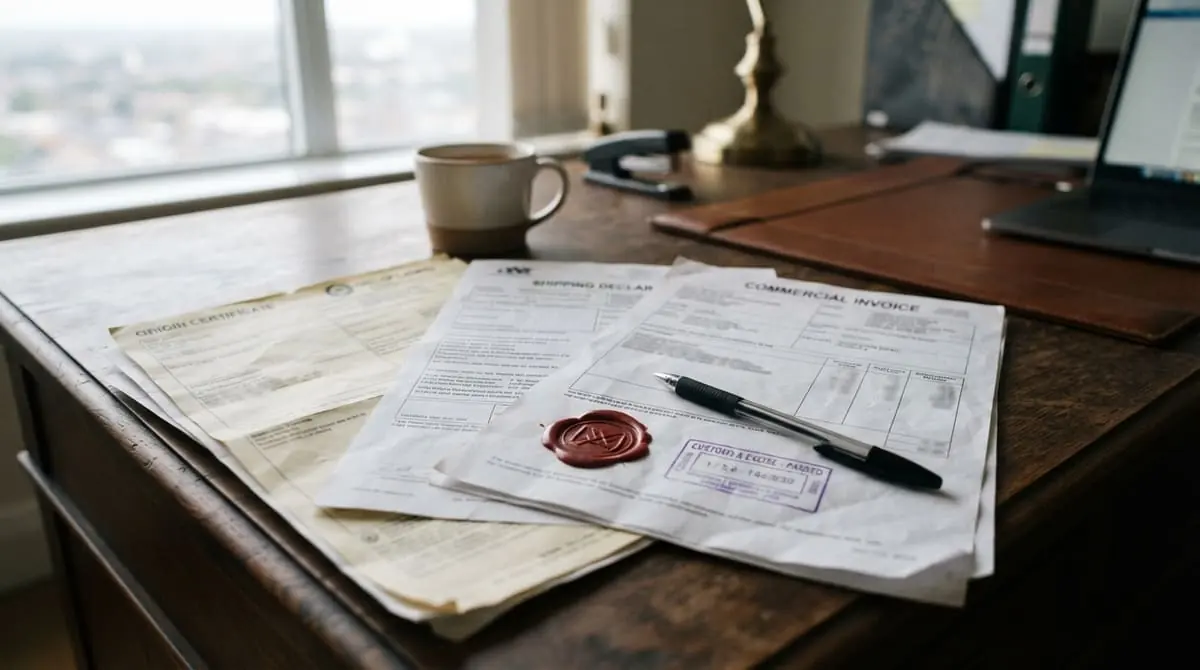
- 7. What Documents Does a Sunflower Seed Shipment Typically Need?
- 8. What Is ISPM 15 and Why Does It Matter for Wood Packaging?
- 9. Who Issues the Phytosanitary Certificate for a Shipment From China?
- 10. Do Import Requirements Differ by Destination Country?
- 11. What Happens if Documentation Is Incomplete or Incorrect?
- 12. Should Buyers Keep Copies of Every Document After Clearance?
- 13. Need Sunflower Seeds With Complete Export Documentation?
HS code classification determines duty rates, import eligibility, and which documents customs will expect at the border — getting it wrong can delay a shipment even when the product itself is fine. Here's how sunflower seeds are classified internationally, and the documentation that typically travels with a shipment.
What Is the HS Code for Sunflower Seeds?
Sunflower seeds fall under Heading 1206 — "Sunflower seeds, whether or not broken" — in the World Customs Organization's Harmonized System, the 6-digit classification standard used globally. Countries then add their own digits for more specific import declarations: the US uses a 10-digit HTS code, while the EU uses an 8-digit Combined Nomenclature (CN) code and a 10-digit TARIC code for the actual import declaration.
Within Heading 1206, the exact subheading depends on the product's processing state. In the EU's Combined Nomenclature, for example, code 1206 00 10 covers sunflower seed "for sowing" (planting seed, not relevant to food-grade product), 1206 00 91 covers shelled (dehulled kernel), and 1206 00 99 is the residual "other" category that typically covers in-shell seed not intended for sowing. In the US, HTS code 1206.00.0069 specifically covers "sunflower seeds for human use, shelled."
Because the exact subheading can depend on processing state (in-shell vs. shelled) and destination-country ruling precedent, always confirm the precise classification with a licensed customs broker for your specific destination market and product form before relying on it for a customs filing.
| Product form | Code | System |
|---|---|---|
| Sunflower seeds, whether or not broken (root heading) | 1206.00 | Global HS (6-digit) |
| Seed for sowing (planting) | 1206 00 10 | EU Combined Nomenclature |
| Shelled (dehulled kernel) | 1206 00 91 | EU Combined Nomenclature |
| In-shell, not for sowing | 1206 00 99 | EU Combined Nomenclature |
| In-shell, not for sowing (full import code) | 1206009900 | EU TARIC (10-digit) |
| Shelled, for human use | 1206.00.0069 | US HTS (10-digit) |
How Do You Actually Look Up the Correct Tariff Code?
For US-bound shipments, the USITC's Harmonized Tariff Schedule search tool lets you search by keyword or browse by chapter to find the exact 10-digit HTS subheading and its current duty rate — Chapter 12 covers oil seeds and includes Heading 1206 for sunflower seeds. For EU-bound shipments, the EU's TARIC database serves the same function for the 10-digit TARIC code. Both tools are free and public, but the search results still benefit from a customs broker's review — the tool finds candidate codes, but confirming which one applies to your specific product form and intended use is a judgment call worth getting a second opinion on before you rely on it for an actual filing.
Why Does the EU Use Two Different Code Lengths?
The EU's 8-digit Combined Nomenclature (CN) code is used for statistical reporting and general tariff classification, while the 10-digit TARIC code adds further detail for the actual customs declaration at import — covering things like anti-dumping measures or preferential trade arrangements that don't show up at the CN level. In practice, most buyers will only ever see the CN code quoted informally, but the customs declaration itself needs the full TARIC code, which is another reason to have a broker confirm the exact classification rather than working from a CN-level reference alone.
Does Duty Apply to Sunflower Seed Imports?
Duty treatment varies by destination country and trade agreement, and some tariff schedules show preferential or duty-free treatment for Heading 1206 under certain trade programs. Rates and eligibility change and vary by country of origin and exact subheading, so confirm the applicable rate directly with your national customs authority or a licensed broker rather than assuming a rate from a general reference.
How Does HS Classification Connect to US FDA Requirements?
For US-bound shipments specifically, HS/HTS classification and FDA compliance are two separate but connected steps — correct classification determines the duty and entry process at US Customs and Border Protection (CBP), while FDA's Prior Notice system requires advance notice of the shipment before it arrives, and CBP will not release a food shipment without proof that Prior Notice was filed. Prior Notice is an FDA requirement under the 2002 Bioterrorism Act — filed electronically through CBP's ACE/ABI or FDA's own Prior Notice System Interface and confirmed before arrival (no less than 8 hours for ocean freight, 4 hours for air, 2 hours for road); a September 2025 amendment added a mail-tracking-number requirement specifically for food arriving by international mail, and does not change the filing rules for ocean containers. See our complete import guide for how this fits into the broader US import process.
What's the Difference Between a Commercial Invoice and a Proforma Invoice?
A proforma invoice is a preliminary document — essentially a detailed quote — used to confirm order terms before production or shipment, while the commercial invoice is the final, binding document issued once the goods actually ship, used by customs to assess value and duty. Buyers sometimes confuse the two early in a relationship with a new supplier; asking your supplier to clarify which one you're looking at avoids confusion when it's time to arrange payment or customs clearance.
What Documents Does a Sunflower Seed Shipment Typically Need?
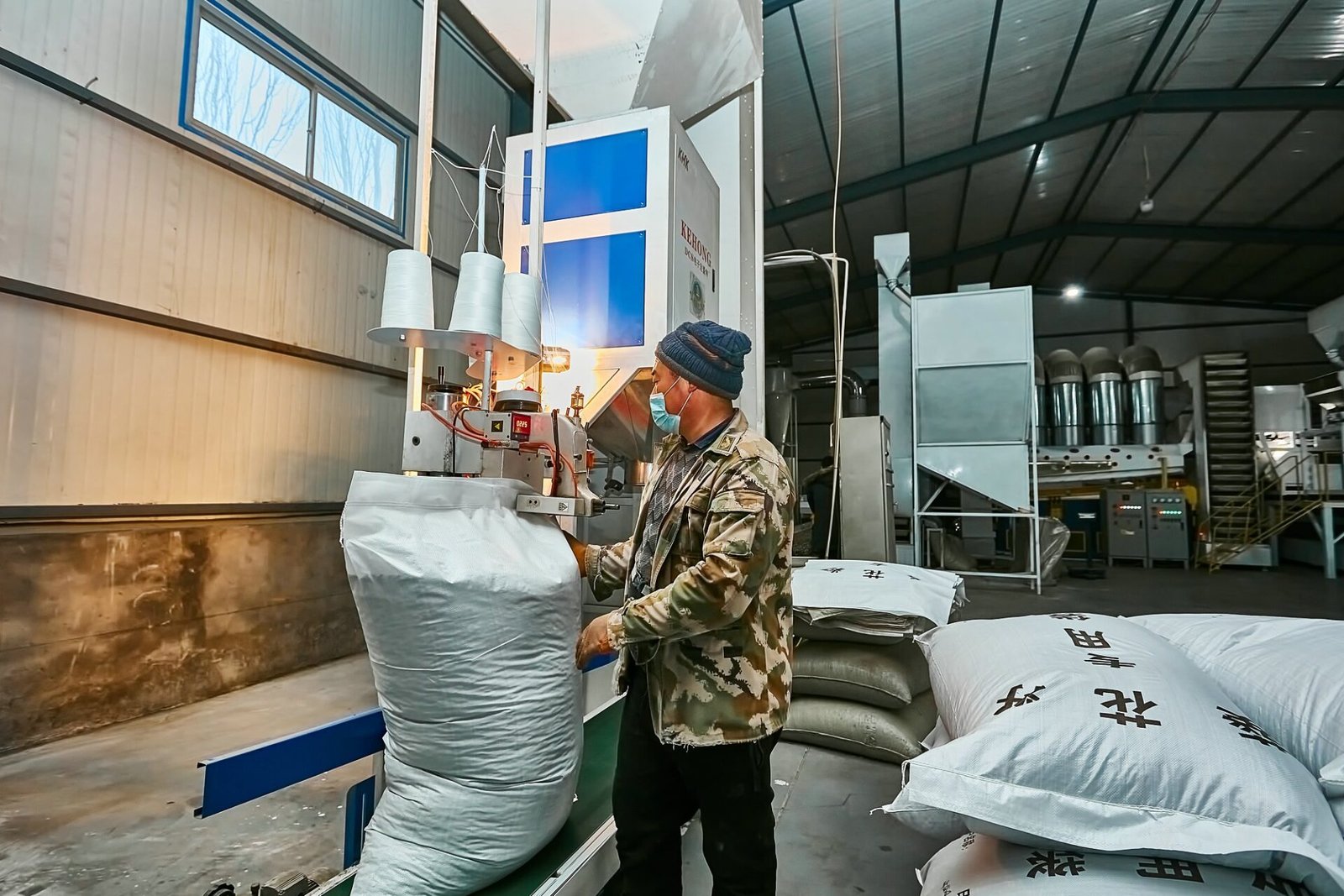
- •Commercial invoice — itemizes the goods, quantities, and agreed price
- •Packing list — details how the shipment is packed (bags, pallets, container loading)
- •Bill of lading (or airway bill for air freight) — the shipping carrier's contract and receipt of goods
- •Certificate of origin — certifies the country where the seeds were grown and processed
- •Phytosanitary certificate — certifies the shipment is free of regulated pests; see our full breakdown of this document
- •Fumigation certificate — required if wood packaging materials (pallets, crates) are used, under the ISPM 15 international standard
- •Import permit or license — destination-country-specific, where applicable
What Is ISPM 15 and Why Does It Matter for Wood Packaging?
ISPM 15 is the international standard requiring wood packaging material — pallets, crates, dunnage — to be debarked and heat-treated (or, less commonly today, fumigated) and stamped with an official IPPC mark before crossing borders. Non-compliant wood packaging can result in a shipment being held, returned, or destroyed at the destination port at the shipper's or consignee's expense, so it's worth confirming with your freight forwarder that any wood packaging used meets this standard before the container is sealed.
Who Issues the Phytosanitary Certificate for a Shipment From China?
In China, phytosanitary certificates are issued by port animal and plant quarantine offices operating under the General Administration of Customs China (GACC). Inspection covers the product itself, its packaging, and the transport vehicle, and samples may be lab-tested before the certificate is issued — which is why building buffer time into your shipping timeline for certificate issuance matters (see our complete import guide for more on timing).
Do Import Requirements Differ by Destination Country?
Yes — significantly. A document set and classification that clears customs in one market won't necessarily match another country's exact requirements, so this article should be read as a general framework, not a substitute for confirming your specific destination market's current rules with a customs broker or compliance specialist before your first shipment.
What Happens if Documentation Is Incomplete or Incorrect?
Incomplete or inconsistent documentation is one of the most common causes of shipment delays at customs — a mismatch between the commercial invoice and packing list, an HS code that doesn't match the actual product form, or a missing certificate can all trigger a hold. Reviewing the full document set against the actual shipment before it leaves port catches most of these issues before they become a customs-side problem.
Should Buyers Keep Copies of Every Document After Clearance?
Yes — retaining copies of the full document set after a shipment clears customs is standard practice, both for your own recordkeeping and in case a regulatory body requests them later. This is particularly relevant for food imports, where import compliance records can be requested well after a shipment has already reached your warehouse.
Need Sunflower Seeds With Complete Export Documentation?
XingYi Trading prepares full export documentation — commercial invoice, packing list, certificate of origin, and phytosanitary certificate — for every shipment. Request a quote with your destination country and we'll confirm the documentation set for your order.
Featured in This Article
Sourcing Sunflower Seeds for Your Business?
Contact XingYi Trading for pricing, samples, and specification sheets on our 361, 363, and TQ6 series.
Request a Quote
James Feng
XingYi Trading — Bayannur, Inner Mongolia
More in Importing & Trade
 Importing & Trade
T/T vs. Letter of Credit: Choosing Payment Terms for a Sunflower Seed Import Order
 Importing & Trade
How to Write an RFQ for Bulk Sunflower Seeds That Gets a Fast, Accurate Quote
 Importing & Trade