
How to Import Sunflower Seeds From China: A Complete Buyer's Guide
From vetting a supplier to clearing customs — the full process a first-time importer goes through to bring bulk sunflower seeds from China into the US, EU, or another destination market.
- 1. What Does the Sunflower Seed Import Process From China Actually Look Like?
- 2. How Do You Vet and Choose a Sunflower Seed Supplier in China?
- 3. What Payment Terms Are Standard for a Sunflower Seed Import Order?
- 4. What Documents Do You Need to Clear Customs?
- 5. What Should First-Time Importers Know About Destination-Country Requirements?
- 6. How Long Does the Import Process Typically Take, Start to Finish?
- 7. Do You Need a Customs Broker for a First Import Order?
- 8. What's the Biggest Mistake First-Time Sunflower Seed Importers Make?
- 9. Can You Start With a Smaller Trial Order Before a Full Container?
- 10. What Should Your First Email or Inquiry to a Supplier Include?
- 11. How Should You Evaluate a Supplier's First Response?
- 12. What's a Reasonable First Order Size for a New Buyer?
- 13. Ready to Start Sourcing Sunflower Seeds From China?
Importing sunflower seeds from China for the first time involves more moving parts than most buyers expect — supplier vetting, payment structure, export documentation, and destination-country customs clearance all have to line up before a single container ships. This guide walks through the process step by step, aimed at a first-time importer bringing in a bulk order for retail, food-service, or redistribution.
What Does the Sunflower Seed Import Process From China Actually Look Like?
- •Identify and vet a supplier — check certifications, request references, and confirm production capacity
- •Request samples for quality and lab testing before committing to volume
- •Negotiate commercial terms — price basis (FOB, CIF, etc.), payment structure, minimum order quantity, and lead time
- •Sign a sales contract or proforma invoice confirming the agreed terms
- •Arrange payment — typically a deposit before production, balance before or against shipping documents
- •Supplier arranges export documentation — phytosanitary certificate, certificate of origin, commercial invoice, packing list
- •Book freight and confirm the Incoterm handoff point (see our guide to FOB, CIF, and Incoterms)
- •Destination customs clearance — document review, any product-specific inspections, and release
How Do You Vet and Choose a Sunflower Seed Supplier in China?
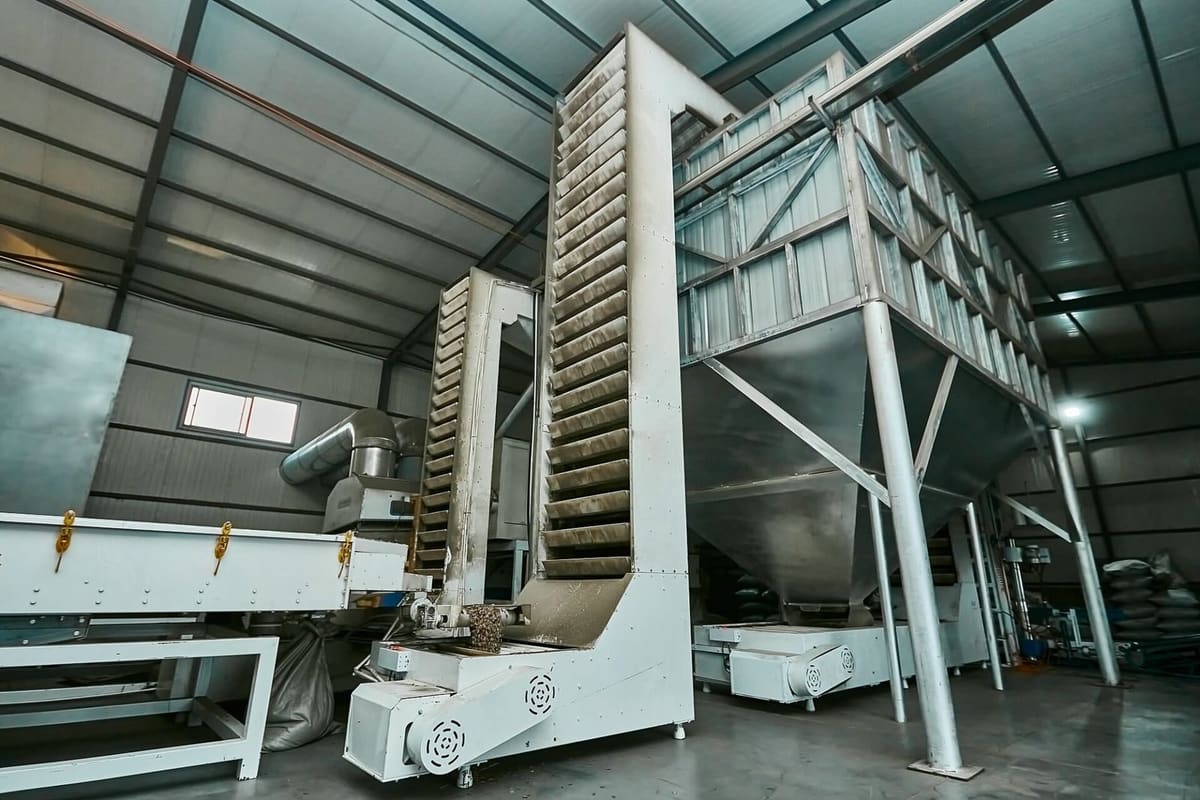
Before placing an order, most experienced buyers check a supplier's business licenses, request client references, and ask for documentation of past food safety audits or certifications. Samples tested independently — not just supplier-provided spec sheets — are standard practice before committing to a bulk order. We cover the specific questions worth asking in more depth in what buyers should ask before choosing a sunflower seed supplier.
What Payment Terms Are Standard for a Sunflower Seed Import Order?
T/T (telegraphic transfer) is the most common payment method for small-to-mid-size orders from Chinese suppliers, typically structured as a deposit (often around 30%) before production begins and the balance before or against shipping documents. L/C (letter of credit) shifts more verification risk onto the banks, since the buyer's bank only releases payment against compliant shipping documents — but the extra banking costs mean it's generally considered impractical for smaller orders, with L/C banking fees running noticeably higher than the fees on an equivalent T/T transfer.
Whichever method you use, agree on the deposit/balance split and the exact trigger for the balance payment (shipment, arrival, or against specific documents) in writing before production starts.
What Documents Do You Need to Clear Customs?
A typical shipment needs a commercial invoice, packing list, bill of lading, certificate of origin, and phytosanitary certificate, plus a fumigation certificate if wood packaging materials are used. We cover the HS code classification and the full documentation list in detail in sunflower seed HS codes and export documentation, and the phytosanitary certificate and certificate of origin specifically in our documentation checklist.
What Should First-Time Importers Know About Destination-Country Requirements?
Requirements vary by destination market, so confirm the specifics for your country before your first shipment. As one example: buyers importing into the United States should know that foreign facilities producing food for U.S. consumption must be registered with the FDA, and that Prior Notice of the shipment must be filed with the FDA before the goods arrive — U.S. Customs and Border Protection will not release a food shipment without proof that Prior Notice was filed. Buyers importing into the EU or other markets face a different but analogous set of food-contact and phytosanitary requirements, so it's worth confirming the destination-specific rules with a customs broker or your own import compliance team early in the process, not after the shipment is already in transit.
How Long Does the Import Process Typically Take, Start to Finish?
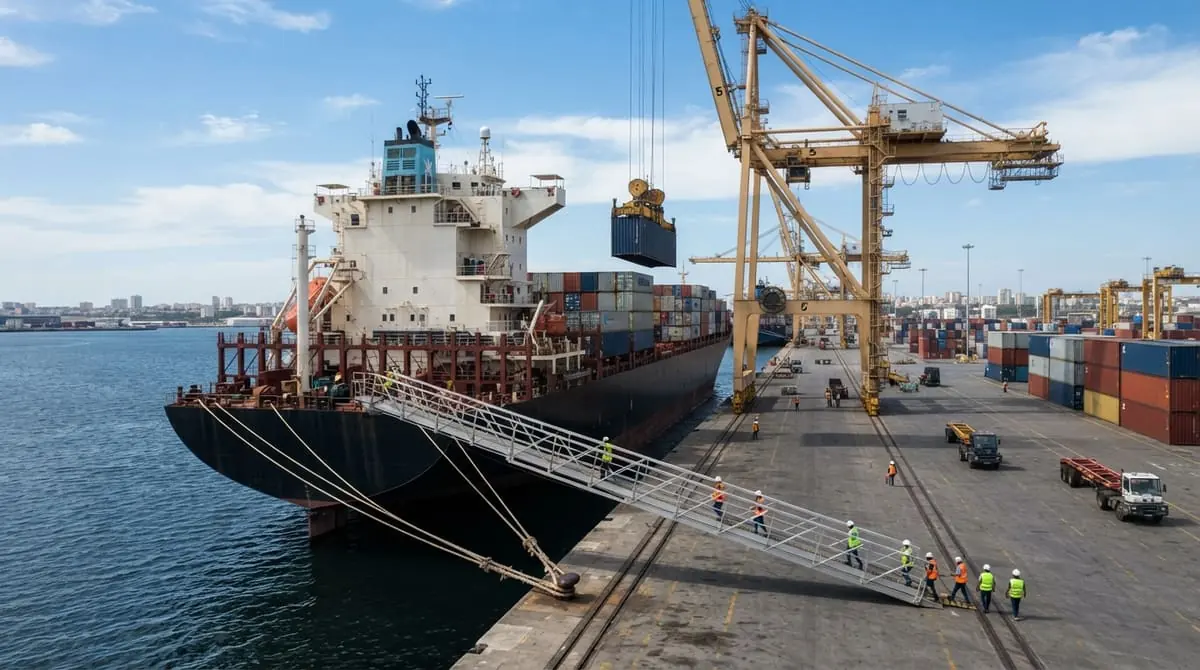
Timelines vary by order size and destination, but a rough sequence for a first order is: supplier vetting and sample review (days to a few weeks, buyer-paced), production lead time once an order is confirmed, ocean freight transit time (which varies significantly by origin port and destination), and customs clearance at the destination (typically a matter of days once documentation is complete and accurate). Building in buffer time for a first order — rather than assuming the fastest-case timeline — avoids unnecessary pressure if a document needs correcting or a vessel schedule shifts.
Do You Need a Customs Broker for a First Import Order?
It's not always legally required, but many first-time importers work with a licensed customs broker specifically because navigating destination-country food import requirements (FDA/CBP in the US, or the equivalent regime elsewhere) involves rules that change and vary by product and origin, a point general China-sourcing compliance guidance makes consistently for first-time importers. A broker's fee on a first order is often worth it simply to avoid a documentation error that delays release at the port.
What's the Biggest Mistake First-Time Sunflower Seed Importers Make?
Underestimating documentation lead time is the most common one — assuming a phytosanitary certificate or certificate of origin can be arranged in a day or two, when in practice these are issued by government inspection bodies on their own schedule. Confirming document timelines with your supplier before you commit to a customer-facing delivery date avoids passing that risk downstream.
Can You Start With a Smaller Trial Order Before a Full Container?
This depends on the supplier's minimum order quantity, which is often — though not always — structured around container-fill economics rather than a fixed number. If a trial order matters to you before committing to a full container, raise it directly when you first contact a supplier rather than assuming it's off the table; see our breakdown of how MOQ works in this industry for the factors that typically drive it.
What Should Your First Email or Inquiry to a Supplier Include?
- •Your target product — series, form (raw or roasted, in-shell or kernel), and any grade requirements
- •Target volume and whether you're testing with a trial order or planning a full container
- •Destination country and port
- •Your intended use — retail, food-service, further processing, or redistribution
- •Timeline — when you'd need the first shipment to arrive
How Should You Evaluate a Supplier's First Response?
A supplier's first response tells you a lot before you've even discussed price — did they answer your specific questions, or send a generic catalog? Did they ask clarifying questions about your product and market, or just quote a number? Responsiveness and specificity in early communication are a reasonable proxy for how the relationship will function once you're managing an active order with real deadlines.
What's a Reasonable First Order Size for a New Buyer?
There's no universal answer, since it depends on your own resale capacity and the supplier's MOQ — but many first-time buyers deliberately choose a smaller trial shipment (even via LCL, accepting the higher per-unit shipping cost) specifically to validate quality, documentation, and supplier reliability before committing to a full container on a second order. This isn't a substitute for the vetting steps above, but it does add a real-world check before scaling up volume.
Ready to Start Sourcing Sunflower Seeds From China?
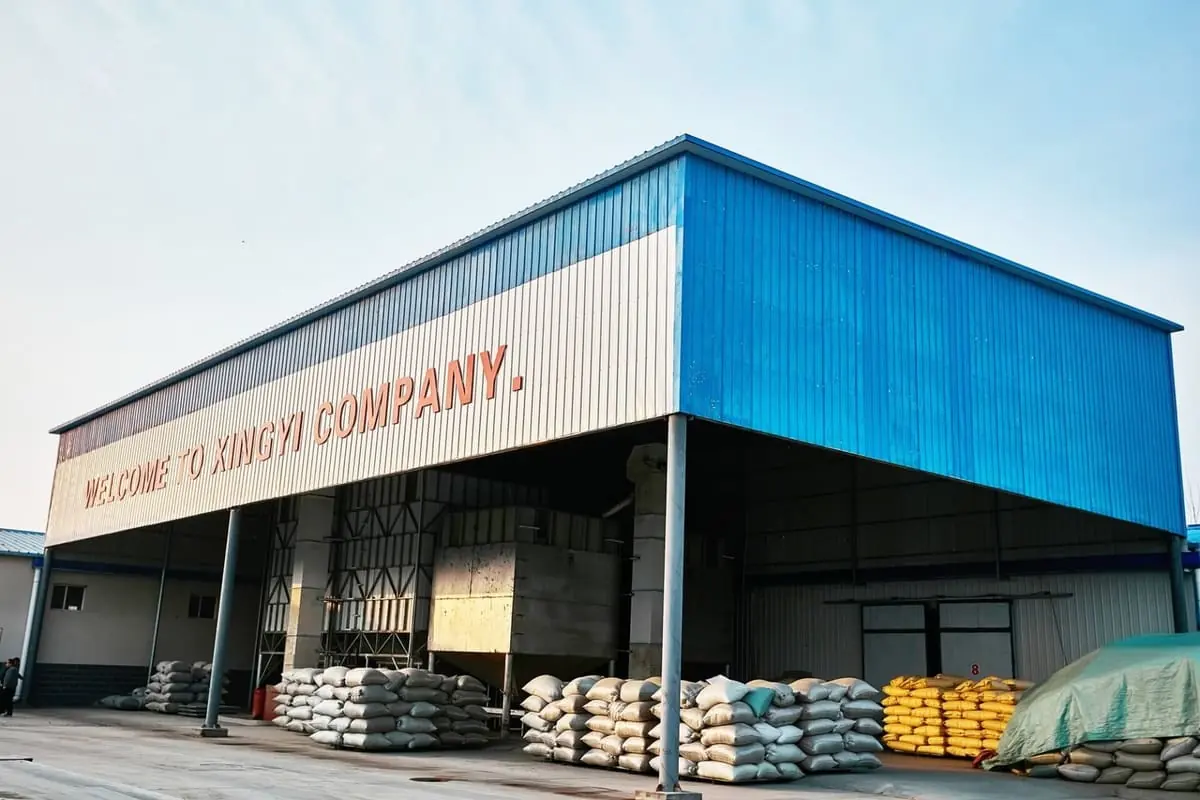
XingYi Trading exports confectionery-type 361, 363, and Tongqing No.6 sunflower seeds from our own facility in Bayannur, Inner Mongolia. Request samples and a specification sheet to start the process, or browse our product series to see grade specifications for each. For a shorter decision checklist, see our bulk sunflower seeds buyer's guide.
Featured in This Article
Sourcing Sunflower Seeds for Your Business?
Contact XingYi Trading for pricing, samples, and specification sheets on our 361, 363, and TQ6 series.
Request a Quote
James Feng
XingYi Trading — Bayannur, Inner Mongolia
More in Importing & Trade
 Importing & Trade
T/T vs. Letter of Credit: Choosing Payment Terms for a Sunflower Seed Import Order
 Importing & Trade
How to Write an RFQ for Bulk Sunflower Seeds That Gets a Fast, Accurate Quote
 Importing & Trade