
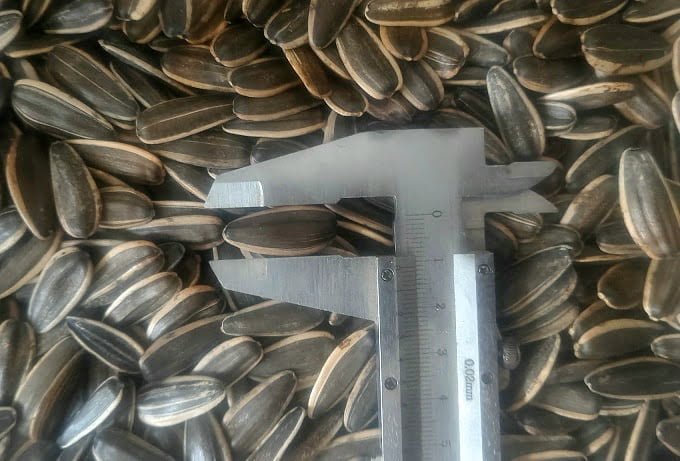
361 vs. 363 vs. Tongqing No.6: Choosing the Right Series for Your Product Line
A practical, use-case-driven comparison of XingYi Trading's three sunflower seed series — which one fits volume snacking, premium branded lines, or a distinct large-kernel product.
- 1. What's the Difference Between 361, 363, and Tongqing No.6?
- 2. Which Series Fits Volume Snacking or Food-Service Use?
- 3. Which Series Fits a Branded or Health-Positioned Retail Product?
- 4. Which Series Fits a Product Where Kernel Size Is the Selling Point?
- 5. Will the Grade and Size Stay Consistent Across Harvest Seasons?
- 6. How Should Export Traders Think About Series Selection?
- 7. Does Series Choice Affect Raw vs. Roasted Availability?
- 8. What Should You Compare Beyond Kernel Size and Positioning?
- 9. Can You Mix Series Within a Single Order?
- 10. Is One Series Better Suited to Private-Label Packaging?
- 11. How Should a New Snack Brand Approach This Decision?
- 12. Do the Three Series Differ in Nutritional Profile?
- 13. Still Not Sure Which Series Fits Your Product?
One of the most common questions we get from new buyers is simply: which series is right for my product? All three — 361, 363, and Tongqing No.6 (TQ6) — pass through the same 16-stage inspection and grading line, but each fits a different use case. Here's how to think about the choice.
What's the Difference Between 361, 363, and Tongqing No.6?
- •361 Series — a general-purpose, volume-friendly grade suited to snacking, baking, and garnishing at scale
- •363 Series — a premium raw grade positioned for branded, health-focused, or retail product lines
- •Tongqing No.6 (TQ6) — a distinct large-kernel cultivar sourced for products where kernel size itself is part of the appeal
Which Series Fits Volume Snacking or Food-Service Use?
For buyers prioritizing consistent supply and value at scale — bulk snacking, bakery inclusions, general food-service use — 361 Series is our general-purpose grade, built for exactly that kind of volume-friendly, everyday use.
Which Series Fits a Branded or Health-Positioned Retail Product?
If you're building a retail or branded product where positioning matters — a health-focused snack line, a premium private-label product — 363 Series is the premium raw grade we'd point you toward first. It's the series we position for exactly that kind of branded, quality-forward use case.
Which Series Fits a Product Where Kernel Size Is the Selling Point?
Some products are built around the seed itself being visually prominent — a garnish, a specialty snack, a product where a larger kernel reads as a premium feature on its own. Tongqing No.6 (TQ6) is a distinct, large-kernel cultivar suited to exactly that kind of use case.
Will the Grade and Size Stay Consistent Across Harvest Seasons?
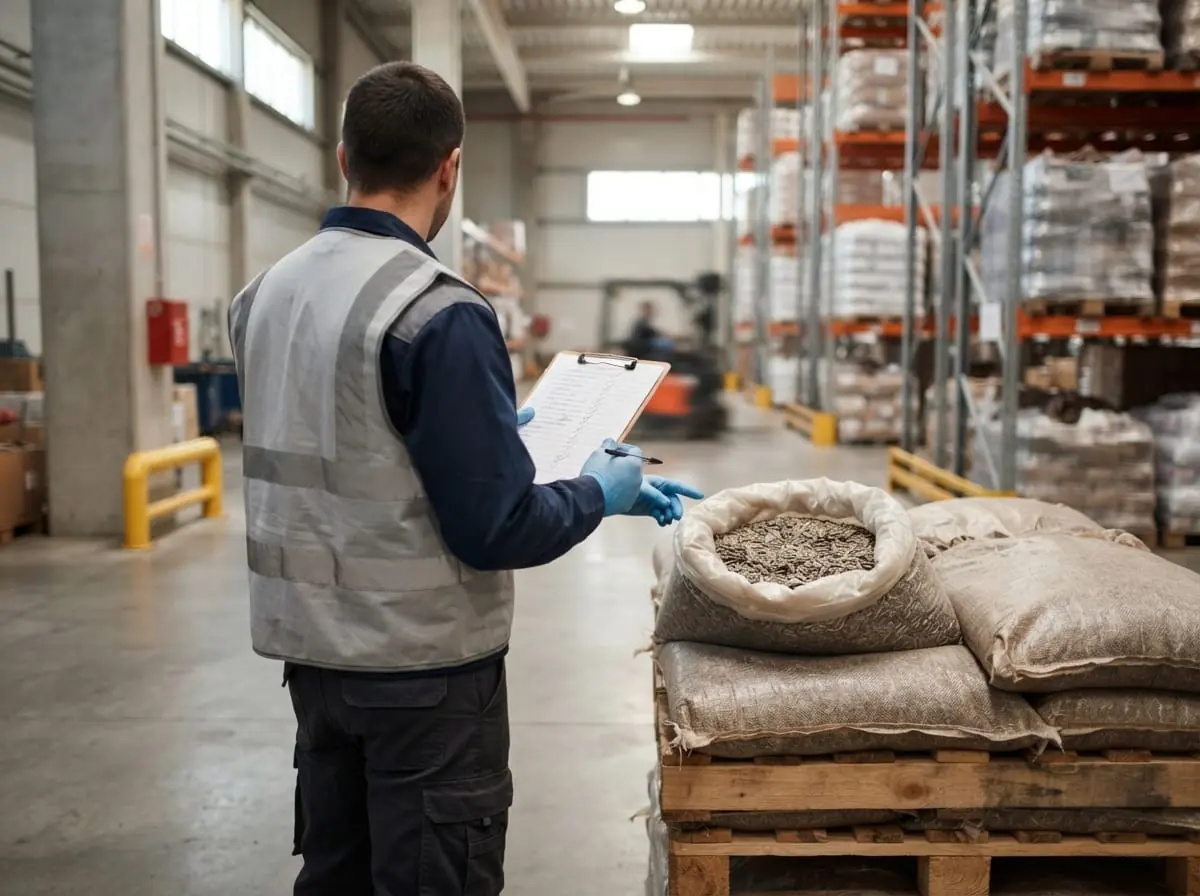
Every batch — regardless of harvest season — passes through the same 16-stage inspection and grading line, including size grading and color sorting, before it's approved for packing. This kind of documented, repeatable grading process is the same underlying principle behind GFSI-benchmarked quality schemes like BRCGS — consistency has to be built into the process itself, not checked for after the fact. If your product depends on a specific size band staying consistent across repeat orders, tell us in your quote request so it can be built into the agreement.
How Should Export Traders Think About Series Selection?
For traders redistributing into a specific regional market rather than manufacturing a branded end product, the choice often comes down to what your buyers are already asking for. If you're new to a market, our regional sourcing guides cover what's driving demand in the Middle East, Southeast Asia, and North America — worth reading alongside this comparison if you're deciding which series to lead with in a new market.
Does Series Choice Affect Raw vs. Roasted Availability?
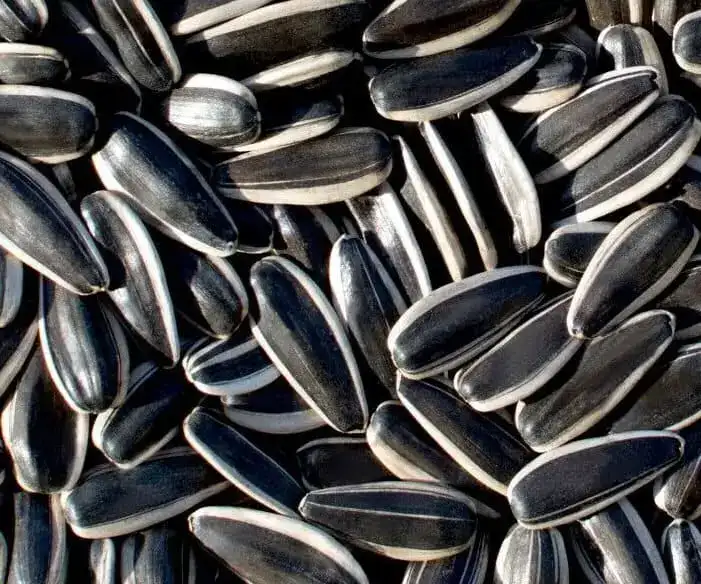
All three series can generally be supplied raw or roasted — the series decision (volume, premium, or large-kernel) and the raw/roasted decision are separate choices you can make independently based on your product needs. See our raw vs. roasted comparison for how that choice affects shelf life and processing control.
What Should You Compare Beyond Kernel Size and Positioning?
Beyond the basic use-case fit covered above, it's worth comparing moisture content and purity specifications, available packaging formats, and current lead times across all three series before finalizing your choice — none of these vary dramatically by series, but confirming them for your specific order avoids surprises later. Our guides to moisture and purity standards and packaging options cover what to ask about.
Can You Mix Series Within a Single Order?
Tell us your product's requirements when you request a quote — we'll confirm what's possible for your specific order and volume.
Is One Series Better Suited to Private-Label Packaging?
All three series can go into private-label packaging — the right choice depends more on your product positioning (volume vs. premium vs. large-kernel) than on any packaging limitation. See our guide to packaging options for bulk export for how private-label and bag-format decisions typically work.
How Should a New Snack Brand Approach This Decision?
If you're launching a new snack product rather than an established one, start by defining your price point and positioning first, then match the series to that — a value-tier snack brand competing on price generally fits 361 Series' volume economics better than a premium positioning, while a brand built around ingredient quality or a distinctive eating experience often fits 363 Series or Tongqing No.6 better regardless of your target retail price, since the story you're telling to consumers matters as much as the raw cost per kilogram.
Do the Three Series Differ in Nutritional Profile?
The core nutritional profile — vitamin E, magnesium, and selenium content per USDA's nutrient database — is broadly consistent across all three series, since they're all confectionery-type sunflower rather than nutritionally distinct crops. See our full nutrition breakdown if nutritional positioning is part of your product's marketing angle; the differentiation between series is really about kernel size and market positioning, not nutrition.
Still Not Sure Which Series Fits Your Product?
Request samples and a specification sheet across all three series so you can compare them directly against your product before committing to a bulk order.
Featured in This Article
Sourcing Sunflower Seeds for Your Business?
Contact XingYi Trading for pricing, samples, and specification sheets on our 361, 363, and TQ6 series.
Request a Quote
James Feng
XingYi Trading — Bayannur, Inner Mongolia
More in Quality & Sourcing
 Quality & Sourcing
BRC vs. IFS: Food Safety Certifications Sunflower Seed Buyers Should Ask About
 Quality & Sourcing
Supplier Self-Audit Checklist: What to Confirm Before You Commit to an Order
 Quality & Sourcing