
How Long Do Sunflower Seeds Stay Fresh? Shelf Life for Bulk and Redistribution Buyers
What food-science research says about sunflower seed shelf life, and the storage factors that determine whether a batch lasts months or years.
- 1. How Long Do Sunflower Seeds Last Under Proper Storage?
- 2. What Factors Actually Determine Shelf Life?
- 3. What's a Safe Moisture Level for Long-Term Storage?
- 4. Does Roasting Change the Shelf-Life Picture?
- 5. What Signs Indicate a Batch Has Gone Rancid?
- 6. Does In-Shell Seed Last Longer Than Hulled Kernel?
- 7. What Storage Conditions Should a Buyer Maintain After Arrival?
- 8. Does Shelf Life Affect Which Packaging Format You Should Choose?
- 9. How Should You Plan Inventory Turnover Around Shelf Life?
- 10. Should Shelf Life Be Confirmed With a Testing Date, Not Just a Duration?
- 11. Source Seeds With Freshness in Mind
Shelf life planning matters more for a bulk or redistribution buyer than it does for an individual consumer — inventory sitting in a warehouse for weeks or months needs to hold up. Here's what food-science research says about how long sunflower seeds actually stay fresh.
How Long Do Sunflower Seeds Last Under Proper Storage?
A shelf-stability study from the National Sunflower Association found that roasted sunflower kernels last more than 12 months in nitrogen-flushed pouches, but only about 8 weeks when exposed to air at elevated temperature (100°F / 38°C). Raw sunflower kernels last more than 12 months in packaging that limits moisture and oxygen exposure — the packaging barrier matters as much as the seed itself.
What Factors Actually Determine Shelf Life?
- •Moisture content — the single most important factor; higher moisture accelerates oil hydrolysis and rising acidity at elevated temperature
- •Oxygen exposure — sunflower seed oil content is high (45-60%) and more than 90% unsaturated, making it prone to oxidative rancidity once exposed to air
- •Packaging barrier quality — nitrogen-flushed or vacuum-sealed packaging significantly outperforms standard packaging
- •Temperature — heat accelerates all of the above degradation pathways
What's a Safe Moisture Level for Long-Term Storage?
A safe storage moisture level of around 10% or below is commonly cited, with lower moisture (closer to 8-9%) recommended for longer storage durations — drying guidance from the National Center for Home Food Preservation reflects similar targets for the kernel itself, and University of Missouri Extension puts long-term storage moisture at around 9%. See our full moisture content and purity standards guide for the detail behind these numbers.
Does Roasting Change the Shelf-Life Picture?
Yes — counterintuitively, roasting shortens shelf life rather than extending it, since the roasting process exposes the seed's oils to oxygen more readily. See our raw vs. roasted comparison for how this affects a bulk buyer's product planning.
What Signs Indicate a Batch Has Gone Rancid?
A stale or "off" smell is the most reliable practical indicator — food scientists specifically track a compound called hexanal as a marker of oxidative rancidity, and rancid odor becomes noticeable to most people once hexanal concentration reaches a certain threshold in the seed. In practice, this means trusting your nose is a reasonably good check: if a batch smells off compared to a fresh reference sample, it's worth testing before selling it on.
Does In-Shell Seed Last Longer Than Hulled Kernel?
Generally yes — the shell itself provides a physical barrier against oxygen and moisture that a dehulled kernel doesn't have, which is part of why in-shell raw seed can hold up for roughly two years in good storage conditions while raw hulled kernel is typically rated closer to six months. If your product allows for it, sourcing in-shell and dehulling closer to your own point of sale extends your effective shelf-life runway.
What Storage Conditions Should a Buyer Maintain After Arrival?
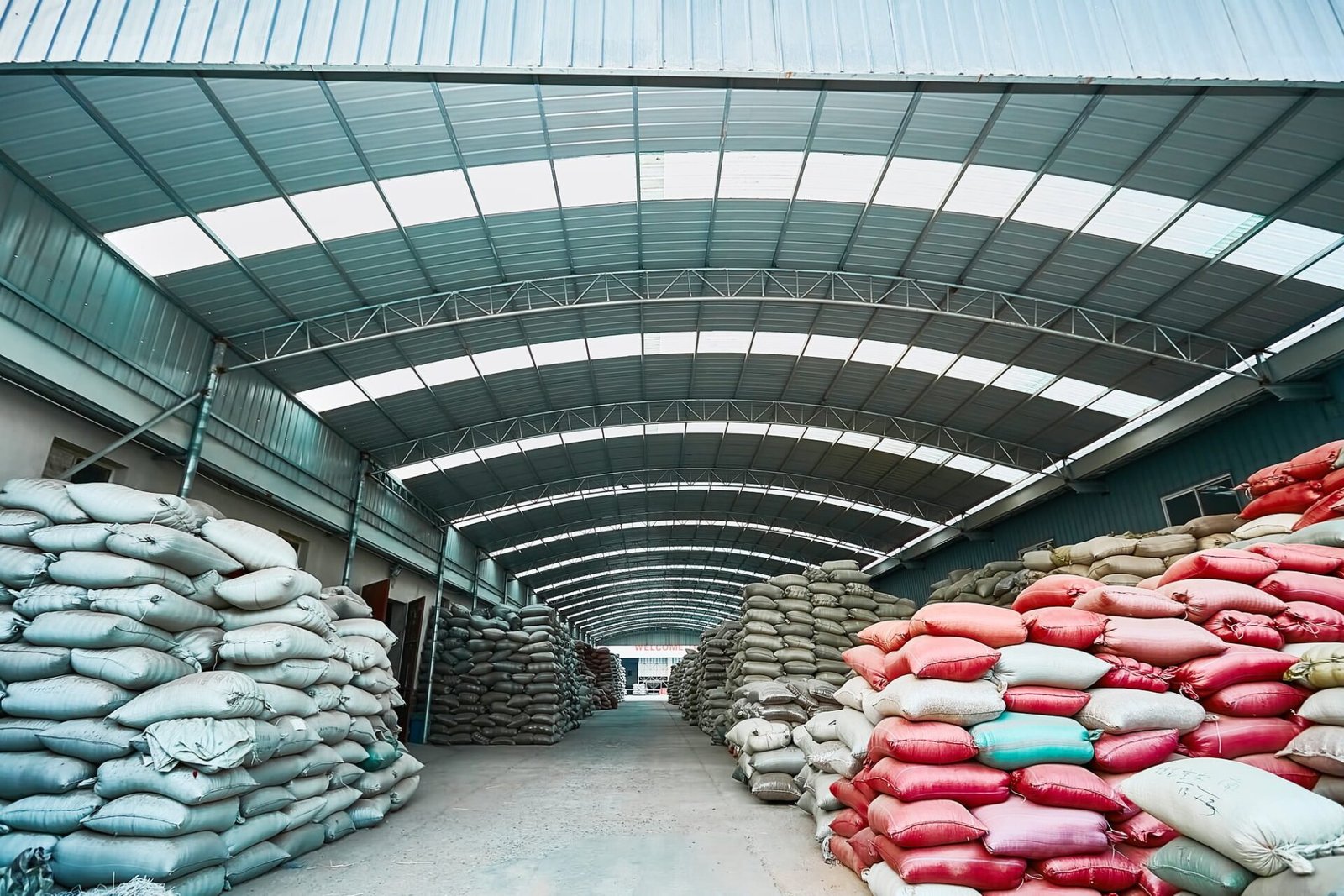
Cool, dark, dry storage away from temperature swings extends shelf life regardless of form — direct sunlight and heat both accelerate the oxidative processes that cause rancidity. If your warehouse doesn't offer climate control, prioritizing faster inventory turnover for whatever stock you're holding becomes more important than it would be in a temperature-stable facility.
Does Shelf Life Affect Which Packaging Format You Should Choose?
Yes — if your product will sit in inventory for an extended period before resale, investing in a stronger packaging barrier (nitrogen-flushed or vacuum-sealed) can be worth the added cost by extending usable shelf life meaningfully. See our comparison of vacuum-sealed vs. standard export bags for the tradeoffs.
How Should You Plan Inventory Turnover Around Shelf Life?
If you're holding roasted product, plan for a shorter sell-through window than you would with raw seed. If your packaging includes a nitrogen flush or vacuum seal, you have meaningfully more runway than standard packaging allows — confirm your specific packaging format with your supplier so you can plan turnover accurately rather than guessing.
Should Shelf Life Be Confirmed With a Testing Date, Not Just a Duration?
Yes — a supplier stating "12 months shelf life" is far less useful than a supplier who can tell you the actual test or production date a specific batch's clock started from. Ask for the production or packing date on any batch you're evaluating, and calculate remaining shelf life from that specific date rather than assuming a fresh 12-month window starts whenever the shipment arrives at your warehouse.
This matters more for a redistribution buyer than it might first appear: if you're planning to hold inventory for several months before it reaches an end retailer, and the end retailer has their own minimum remaining-shelf-life requirement for accepting stock, working backward from the actual packing date is the only way to confirm your timeline actually works before you commit to the order.
Source Seeds With Freshness in Mind
Request a quote and let us know your intended storage and resale timeline so we can confirm the right form and packaging for your order.
Featured in This Article
Sourcing Sunflower Seeds for Your Business?
Contact XingYi Trading for pricing, samples, and specification sheets on our 361, 363, and TQ6 series.
Request a Quote
James Feng
XingYi Trading — Bayannur, Inner Mongolia
More in Quality & Sourcing
 Quality & Sourcing
Non-GMO Status and Pesticide-Residue Testing: What Sunflower Seed Buyers Should Ask About
 Quality & Sourcing
Common Sunflower Seed Defects and Quality Issues: A Buyer's Inspection Checklist
 Quality & Sourcing