
Vacuum-Sealed vs. Standard Export Bags: Packaging Choices That Affect Freshness
How vacuum sealing compares to standard PP woven bags for preserving sunflower seed freshness in bulk export, and when each format makes sense.
- 1. How Does Vacuum Sealing Preserve Freshness?
- 2. What Are Standard PP Woven Bags?
- 3. When Does Vacuum-Sealed Packaging Make Sense?
- 4. Does Vacuum Sealing Cost Significantly More Than Standard Bags?
- 5. Can You Mix Packaging Formats Within a Single Order?
- 6. Does Packaging Choice Affect Your Product's Shelf Life Claims?
- 7. What Should You Ask a Supplier About Their Packaging Materials?
- 8. Which Format Should You Choose for Your Order?
- 9. Does Vacuum Sealing Affect Kernel Appearance or Physical Condition?
- 10. How Do Buyers Typically Test Whether Vacuum Sealing Is Worth the Added Cost?
- 11. Discuss Packaging Options for Your Order
Packaging format is one of the biggest levers on freshness for a bulk shipment, and vacuum sealing sits at the premium end of that spectrum. Here's how it compares to the standard bags most bulk sunflower seed shipments actually use.
How Does Vacuum Sealing Preserve Freshness?
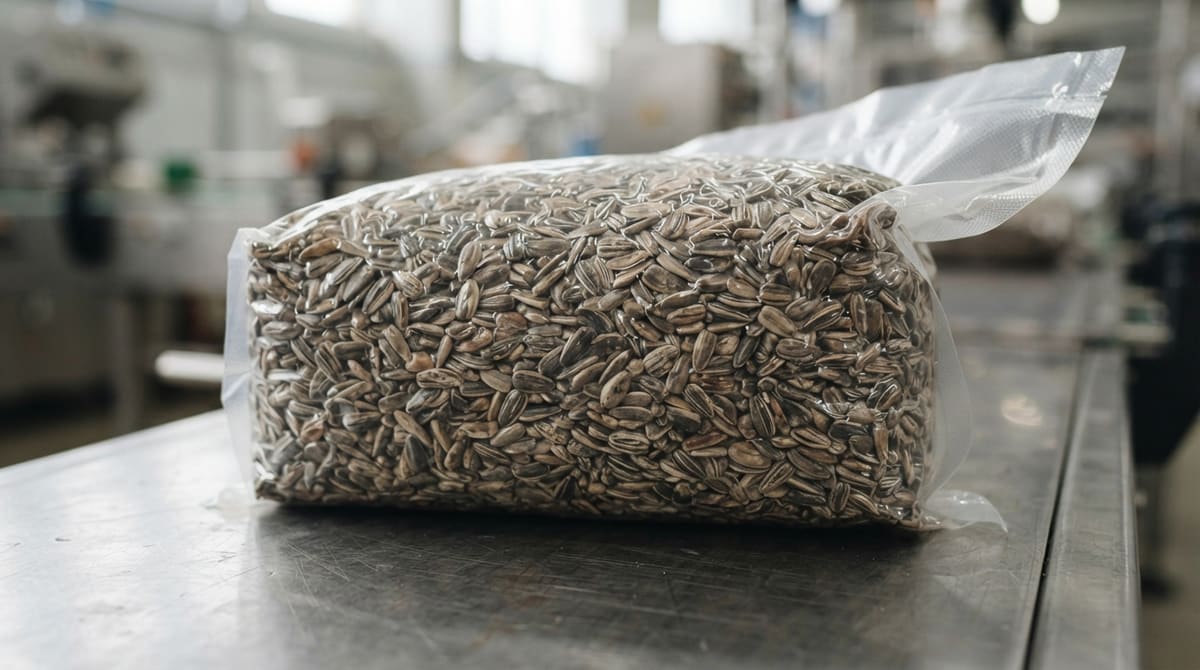
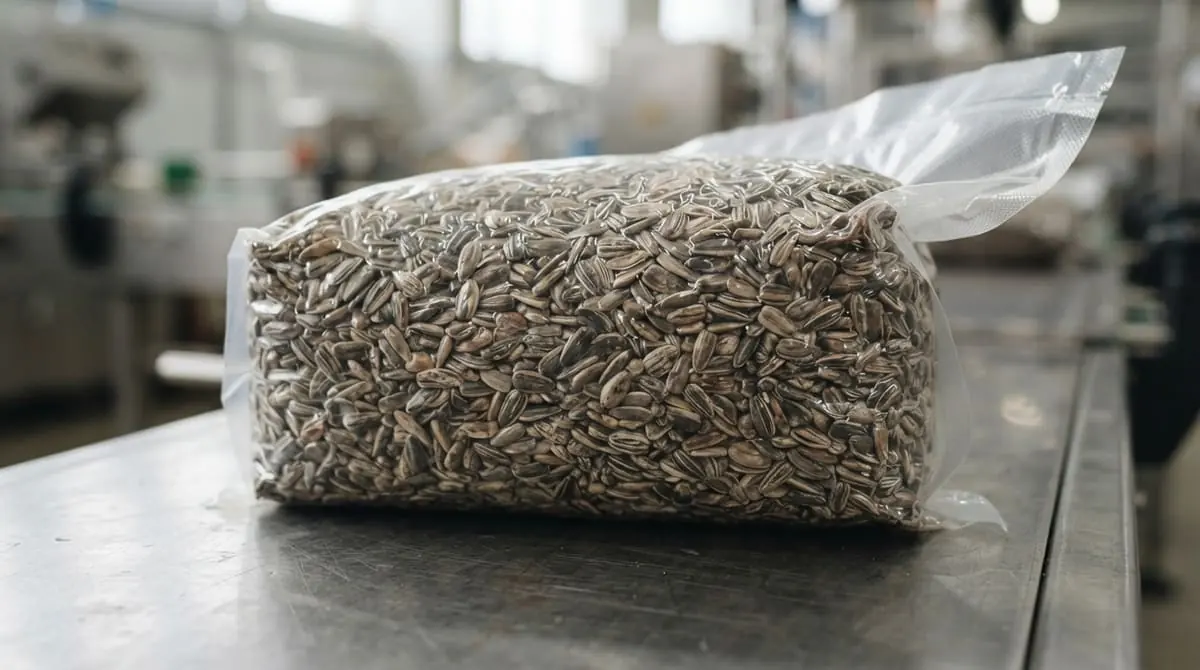
Vacuum sealing removes oxygen from the package, which suppresses both bacterial/mold growth and the oxidative rancidity that's the primary spoilage pathway for oil-rich seeds. The general principle in food preservation is that vacuum-sealed product can stay fresh dramatically longer than conventionally packaged product — though the exact multiplier varies by food type, so treat this as a general packaging principle rather than a seed-specific number.
What Are Standard PP Woven Bags?
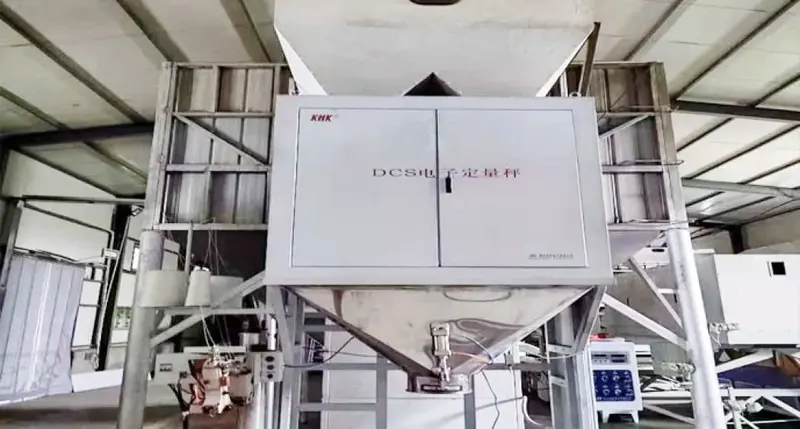
PP (polypropylene) woven bags are the standard bulk agricultural export format — durable and cost-effective, but not inherently moisture- or vapor-proof on their own. Foil-lined or laminated PP woven bags add a plastic film or foil lining inside the woven bag to create a genuine moisture and odor barrier that plain woven PP lacks, commonly used for grains and food commodities that need extra protection from humidity.
When Does Vacuum-Sealed Packaging Make Sense?
Vacuum bags offer the strongest freshness protection available, but they're typically used for higher-value, smaller-unit retail or premium bulk packs rather than raw bulk-commodity shipping, where cost and volume considerations favor standard or lined woven bags instead.
Does Vacuum Sealing Cost Significantly More Than Standard Bags?
Yes, generally — vacuum sealing requires different equipment and materials than standard woven-bag packing, which adds cost per unit. For bulk commodity shipments, that added cost is often difficult to justify unless the end product is positioned as a premium retail item where the freshness and shelf-appeal benefit translates into a price the market will support.
Can You Mix Packaging Formats Within a Single Order?
This depends on your supplier's setup, but many buyers do split a single order across formats — for example, standard bulk bags for redistribution volume and a smaller vacuum-sealed batch for a premium retail line. Raise this directly when requesting a quote if a mixed-format order fits your business.
Does Packaging Choice Affect Your Product's Shelf Life Claims?
Yes — if you're making a shelf-life claim on your own retail packaging, the export packaging format your product traveled in (and how quickly you repack it, if at all) should factor into how confident you can be in that claim. See our full shelf-life guide for how packaging barrier quality interacts with moisture, oxygen, and temperature to determine actual shelf life.
What Should You Ask a Supplier About Their Packaging Materials?
Ask whether bags are food-grade certified, what the specific lining or lamination material is (if any), and whether packaging materials themselves have been tested for contaminants. This is a less commonly asked question than product-quality testing, but packaging material safety is a real part of overall food safety compliance.
Which Format Should You Choose for Your Order?
If your product is a premium retail item where shelf appeal and maximum freshness justify the added packaging cost, vacuum sealing is worth considering. For standard bulk redistribution, a lined PP woven bag balances cost and moisture protection well. See our full packaging options guide for the broader range of formats available.
Does Vacuum Sealing Affect Kernel Appearance or Physical Condition?
It can, slightly — the compression involved in removing all air from a bag puts more physical pressure on the contents than a loosely filled standard bag, which for a delicate or already-fragile batch can marginally increase breakage compared to standard packing. This is generally a minor consideration next to vacuum sealing's freshness benefits, but it's worth mentioning to your supplier if you're ordering a grade where kernel integrity (rather than just freshness) is a key part of your product's value proposition, so packing pressure can be calibrated accordingly.
In practice, this tradeoff rarely changes the format decision on its own — freshness requirements and cost considerations still drive most vacuum-vs-standard choices — but it's a reasonable question to raise if your finished product depends on whole, unbroken kernels as much as it depends on shelf life.
How Do Buyers Typically Test Whether Vacuum Sealing Is Worth the Added Cost?
Freight and packaging industry resources generally recommend running a small trial order in both formats before committing a full shipment to vacuum-sealed packaging, since the actual value of extended shelf life depends heavily on your specific distribution timeline and end market. A buyer whose product typically sells through within a few weeks of arrival often finds the added freshness runway from vacuum sealing goes largely unused, while a buyer with a longer, slower distribution chain — multiple regional warehouses, a longer retail sell-through cycle — is more likely to see the cost translate into a real, usable benefit.
Comparing the landed cost difference against your own typical inventory-turnover timeline, rather than assuming vacuum sealing is universally worth the premium, is the more reliable way to decide.
Discuss Packaging Options for Your Order
Request a quote with your target packaging format, and we'll confirm what's available for your order.
Featured in This Article
Sourcing Sunflower Seeds for Your Business?
Contact XingYi Trading for pricing, samples, and specification sheets on our 361, 363, and TQ6 series.
Request a Quote
James Feng
XingYi Trading — Bayannur, Inner Mongolia
More in Logistics & Packaging
 Logistics & Packaging
How to Choose a Freight Forwarder for Importing Sunflower Seeds From China
 Logistics & Packaging
Container Loading Basics for Bulk Sunflower Seed Orders: FCL vs. LCL
Logistics & Packaging