Do You Need a Third-Party Inspection for Your Sunflower Seed Order?
What a paid, independent pre-shipment inspection actually checks, how AQL sampling works, and when it's worth the added cost versus relying on a supplier's own QC.
- 1. What Does a Pre-Shipment Inspection Actually Check?
- 2. What Is AQL Sampling and How Does It Work?
- 3. Who Pays for a Third-Party Inspection?
- 4. When Is a Third-Party Inspection Most Worth Arranging?
- 5. Is a Third-Party Inspection Necessary for Every Reorder?
- 6. How Does This Differ From a Supplier's Own Internal QC?
- 7. What Should You Confirm Before Booking a Third-Party Inspection?
- 8. Does XingYi Trading Accommodate Third-Party Inspections?
- 9. How Do You Choose Which Inspection Company to Use?
- 10. What Happens If an Inspection Finds the Batch Fails AQL?
- 11. Does a Passed Inspection Guarantee No Issues on Arrival?
- 12. How Do You Arrange an Inspection With XingYi Trading?
- 13. What Are the Limits of This Guide?
- 14. Where Do These Numbers Come From?
- 15. Arrange an Inspection for Your Order
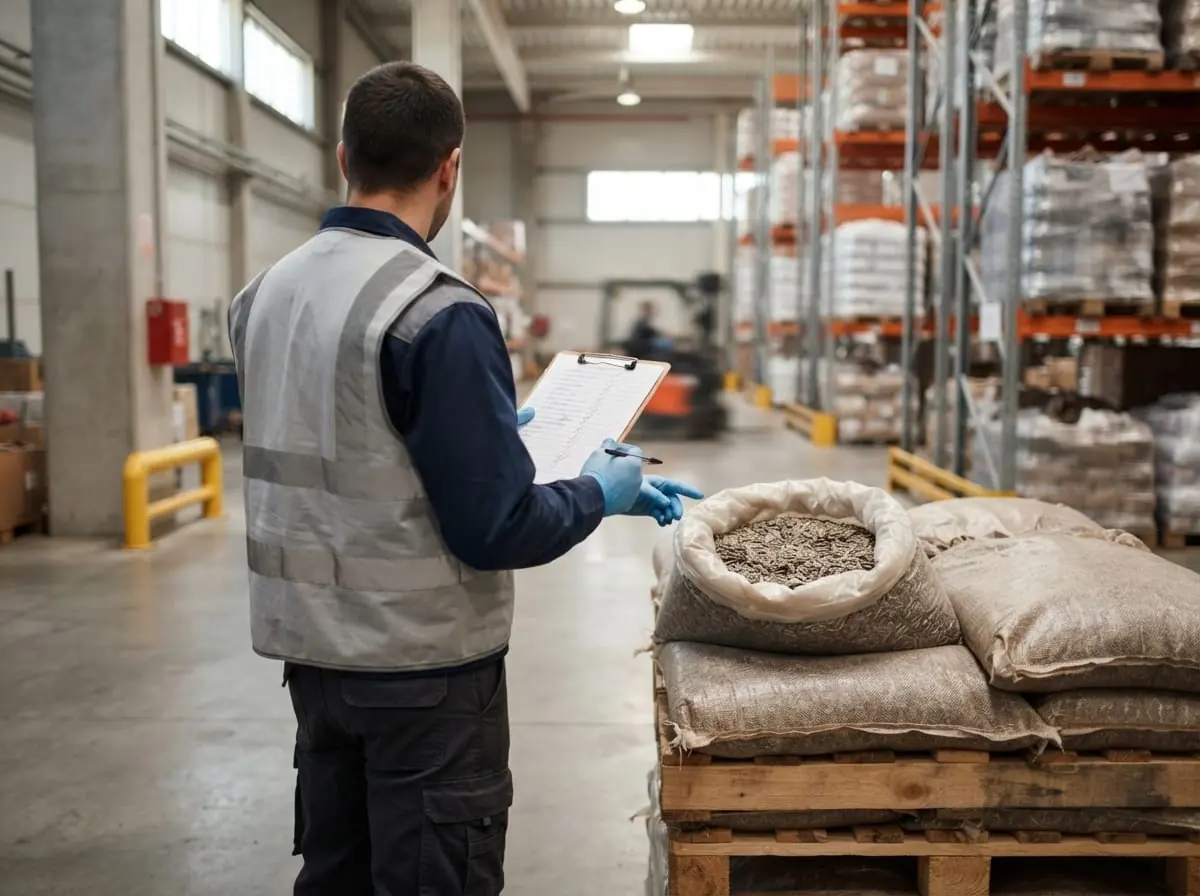
A third-party inspection is a paid, independent check of a shipment before it leaves the supplier, separate from the supplier's own QC. XingYi Trading cooperates with the inspection company the buyer chooses. This guide covers what an inspection checks, what to weigh in its cost, and when it is worth arranging.
What Does a Pre-Shipment Inspection Actually Check?
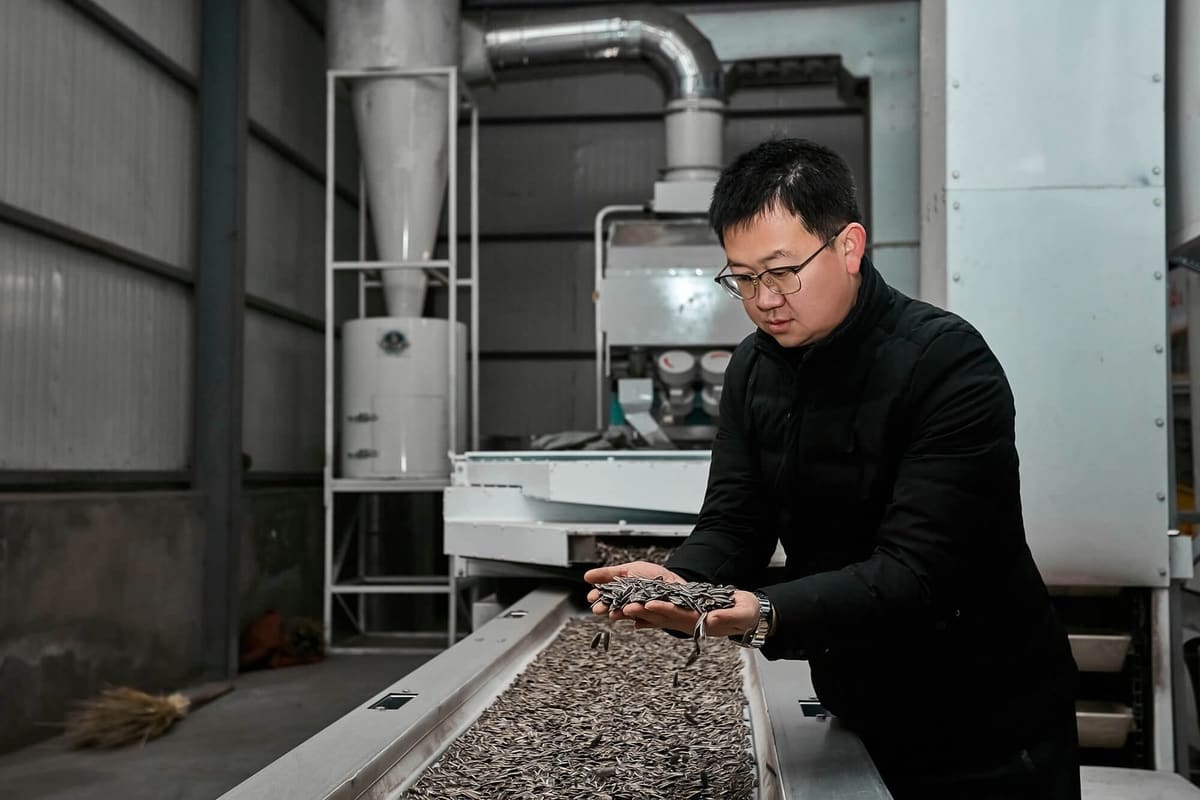
An inspector visits the supplier's facility once goods are complete or close to it, draws a random sample from across the batch, and checks it against agreed specifications. For food products specifically, inspectors may check the goods against the approved sample and the packaging specification, not just visual appearance.
What Is AQL Sampling and How Does It Work?
AQL (Acceptable Quality Limit) is a sampling approach used to determine how many units to sample from a batch and how many defects are tolerable before the batch fails inspection. Inspectors classify any defects found as critical, major, or minor based on pre-agreed tolerance levels, this standardization is what makes AQL results comparable across different inspection companies and shipments.
Who Pays for a Third-Party Inspection?
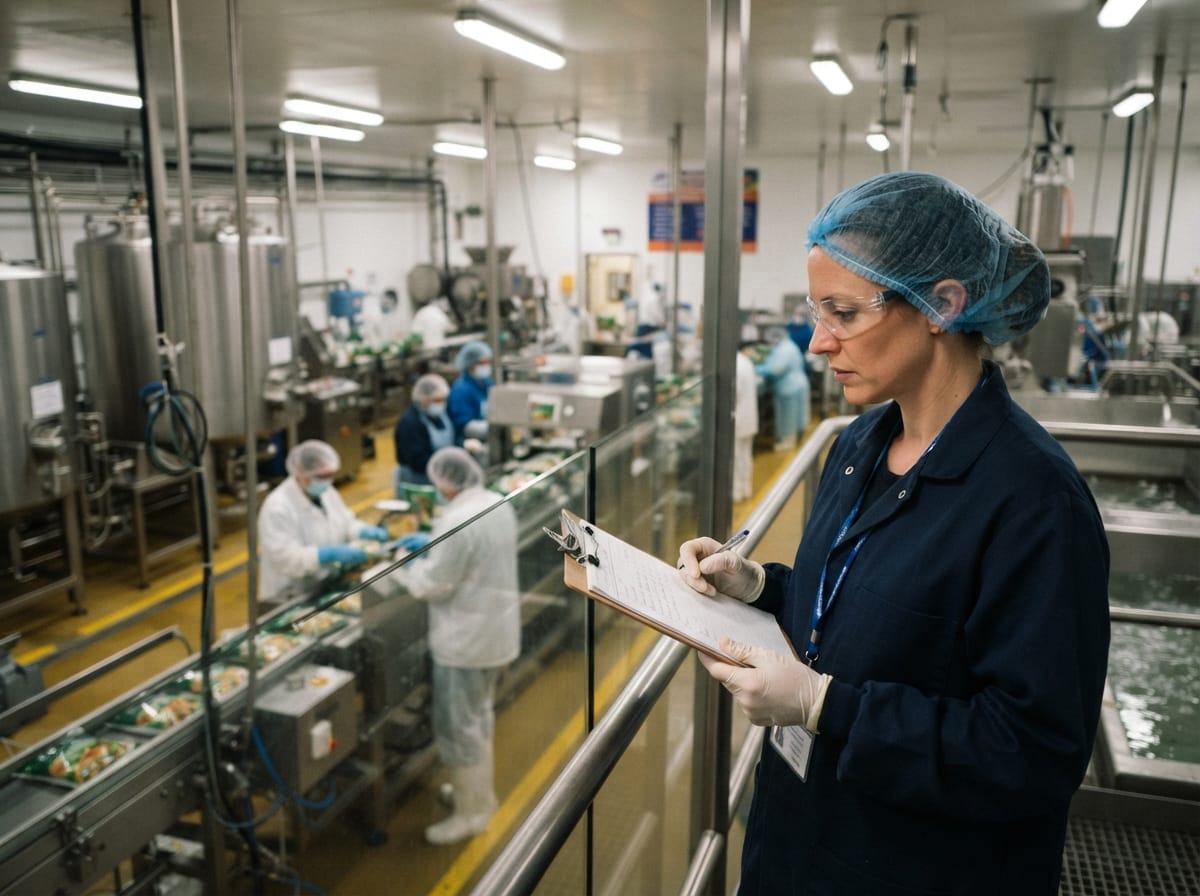
Typically the buyer, since the inspection exists to protect the buyer's interest independently of the supplier. Costs vary by inspection company and scope, inspection companies offer food testing and inspection services, so weigh the cost against the value of the goods and your confidence level in the specific supplier.
When Is a Third-Party Inspection Most Worth Arranging?
- •A first order with a new supplier, before you have a track record to rely on
- •A large-volume order where a quality issue would be costly to discover after arrival
- •Any time you've had a prior quality concern with a supplier, even one you otherwise trust
- •Orders destined for a market with strict food-safety enforcement, where a failed shipment carries real regulatory risk
Is a Third-Party Inspection Necessary for Every Reorder?
Not usually, for an established relationship with a consistent quality track record, many buyers scale back to periodic spot-check inspections rather than inspecting every single shipment. This is a reasonable way to balance verification against cost once genuine trust is built, though it's a judgment call specific to each buyer's risk tolerance.
How Does This Differ From a Supplier's Own Internal QC?
A supplier's internal QC, such as XingYi's 16-stage grading line, is run by the supplier's own team. A third-party inspection is a separate, independent check specifically because it isn't run by the party with an interest in the outcome. The two aren't redundant; internal QC catches issues during production, while third-party inspection verifies the finished batch independently before it ships.
What Should You Confirm Before Booking a Third-Party Inspection?
Confirm the inspection company has food-product experience specifically (not just general merchandise), agree on the AQL level and defect classifications in advance, and make sure your supplier is informed of the scheduled inspection date so the batch is genuinely ready for review rather than rushed.
Does XingYi Trading Accommodate Third-Party Inspections?
Yes, we're glad to coordinate with an inspection company of your choosing before a shipment leaves our facility. Raise this when you request a quote so we can confirm scheduling around your production timeline.
How Do You Choose Which Inspection Company to Use?
Look for a company with documented experience inspecting food/agricultural commodities specifically, not just general consumer goods, the flavor, odor, and moisture checks relevant to a food shipment require different expertise than inspecting electronics or textiles. Several well-known international inspection firms operate in China with agricultural-commodity experience; a supplier can often recommend companies they've worked with before, though it's reasonable to independently verify any recommendation rather than relying on it alone.
What Happens If an Inspection Finds the Batch Fails AQL?
This depends on what was agreed in your purchase contract beforehand, options typically include the supplier reworking or re-sorting the batch to bring it within tolerance, a price adjustment reflecting the quality shortfall, or in more serious cases, rejecting the batch entirely. This is exactly why agreeing on AQL levels and remedies in writing before production (not after a failed inspection) matters, it turns a potential dispute into a pre-agreed process.
Does a Passed Inspection Guarantee No Issues on Arrival?
No, a pre-shipment inspection verifies the batch's condition at the point of loading, but conditions during transit (temperature, humidity, handling) can still affect a shipment before it reaches your warehouse. This is one reason storage and packaging format (covered in our shelf life guide) matter alongside pre-shipment inspection rather than as a substitute for it.
How Do You Arrange an Inspection With XingYi Trading?
XingYi Trading cooperates with the inspection company the buyer chooses. Name the company and the scope in your quote request, so that the schedule can be set around production, and agree in writing what the inspector will check, which standard or sample it will use and how a failed result will be handled.
Share the specification with the inspector before the visit. Agree who pays, what happens if the lot is retested, and the date after which the goods are released. An inspection is only as useful as the specification and the sample it checks against, so settle those first.
What Are the Limits of This Guide?
An inspection checks one lot against a specification at one time, and it does not guarantee later lots. Costs and scope vary by company, so agree both in advance.
Where Do These Numbers Come From?
- •intertek.com - cited for: Intertek. Checked 2026-10-24.
Arrange an Inspection for Your Order
Request a quote and let us know if you'd like to coordinate a third-party inspection before shipment. Product details are on our products page, and the full buying process is in our bulk sunflower seeds buyer's guide.
Featured in This Article
Sourcing Sunflower Seeds for Your Business?
Contact XingYi Trading for pricing and samples (the buyer pays shipping) on our 361, 363, and TQ6 series.
Request a Quote
XingYi Trading
XingYi Trading — Bayannur, Inner Mongolia
More in Quality & Sourcing
 Quality & Sourcing
Private-Label Sunflower Seeds: What Snack Brands and Distributors Should Know
 Quality & Sourcing
BRC vs. IFS: Food Safety Certifications Sunflower Seed Buyers Should Ask About
 Quality & Sourcing