Common Sunflower Seed Defects and Quality Issues: A Buyer's Inspection Checklist
The quality defects international buyers and inspectors typically check for in bulk sunflower seed shipments — and why an external appearance check alone isn't enough.
- 1. What Quality Defects Do Inspectors Typically Check For?
- 2. Why Isn't a Visual Check Alone Enough?
- 3. How Is Aflatoxin Risk Typically Screened?
- 4. Why Do Broken Kernels and Foreign Material Matter Beyond Appearance?
- 5. How Do Inspectors Sample a Shipment for Damage Assessment?
- 6. What Specific Numbers Might Appear on a Supplier's Spec Sheet?
- 7. Should You Arrange Independent Testing on Arrival?
- 8. What Does X-Ray Inspection Add to Visual Inspection?
- 9. What Should You Ask a Supplier About Their Inspection Process?
- 10. How Should a Buyer Read a Defect Percentage on a Spec Sheet?
- 11. What Does Foreign Material Look Like in the Data?
- 12. What Are the Limits of This Guide?
- 13. Where Do These Numbers Come From?
- 14. Source Seeds With Full Quality Inspection
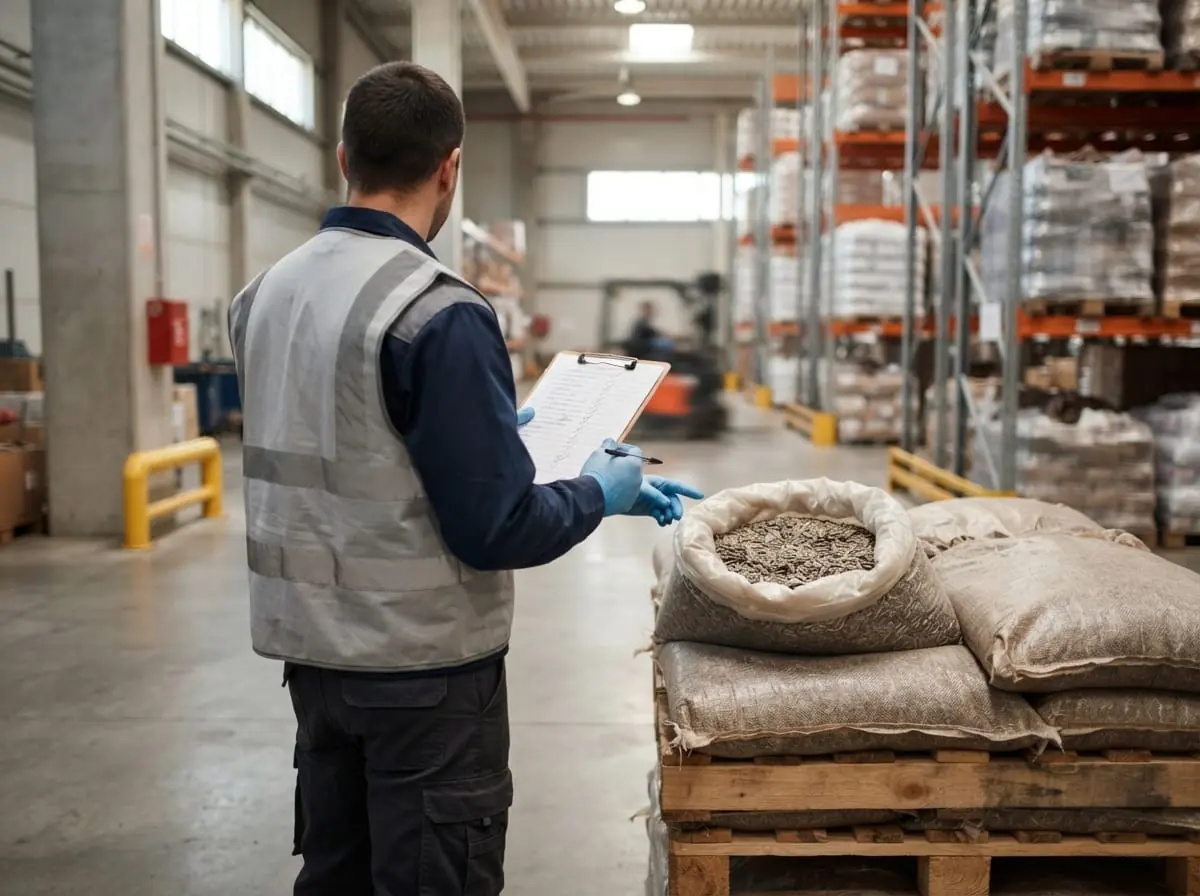
A bulk sunflower seed shipment can look fine on the surface and still carry quality issues that only show up on closer inspection. Here's what buyers and inspectors typically check for, and why some defects require more than a visual check to catch.
What Quality Defects Do Inspectors Typically Check For?
- •Insect damage, both visible exterior damage and interior damage that only shows once the hull is removed
- •Broken or deformed kernels, common during planting, harvest, and handling
- •Foreign material, soil, plant debris, or other contaminants mixed into the batch
- •Discoloration, a possible sign of moisture-related mold or age
- •Undersized or shriveled kernels
Why Isn't a Visual Check Alone Enough?
Interior insect damage can only be confirmed by removing the hull and inspecting the kernel directly, exterior appearance alone can miss it. This is a key reason bulk buyers and inspectors cut open sample kernels as part of quality control rather than relying on how a batch looks from the outside.
How Is Aflatoxin Risk Typically Screened?
Sunflower seed intended for food or feed use is commonly tested for aflatoxin, and buyers often ask for the result. A quick field screening method, checking for Bright Greenish Yellow Fluorescence (BGYF) under black light, is sometimes used as a first-pass triage tool, but it isn't definitive on its own: fluorescence can occur without actual toxin presence, and toxin can be present without fluorescence. Lab-grade testing is the reliable method for a genuine pass/fail determination.
Why Do Broken Kernels and Foreign Material Matter Beyond Appearance?
Broken and damaged kernels, along with foreign material, are the most common sites where mold takes hold in a batch, damaged tissue and debris create entry points and moisture traps that intact kernels don't have. Keeping these percentages low isn't just a cosmetic quality measure; it's directly connected to the storage safety covered in our moisture content and purity standards guide.
How Do Inspectors Sample a Shipment for Damage Assessment?
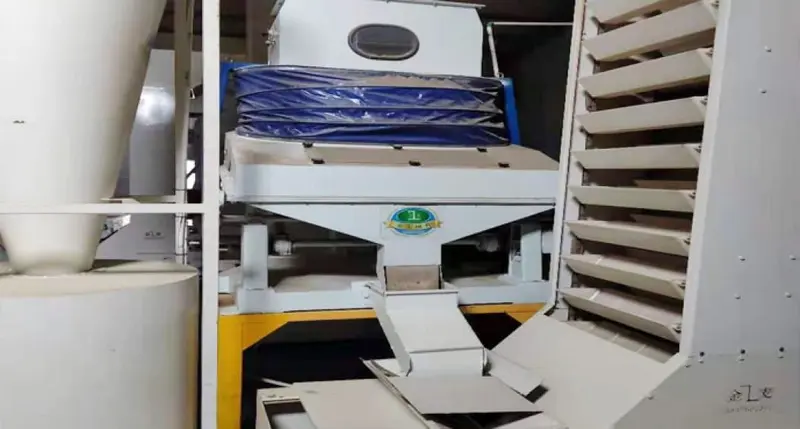
Rather than inspecting an entire shipment kernel by kernel, standard grain inspection practice involves cutting a representative portion from a work sample after mechanical cleaning, then scoring damage percentage from that portion. This standardized sampling approach is what allows damage-percentage figures to be compared consistently across different shipments and inspectors.
What Specific Numbers Might Appear on a Supplier's Spec Sheet?
Buyer-facing spec sheets in this industry commonly list maximum thresholds for moisture, foreign material, discolored grain, and undersized kernels as separate line items, giving a buyer a clear, checkable standard to hold a shipment against on arrival. Ask your supplier for their specific thresholds in writing before an order ships, not just a general quality assurance, so you have something concrete to check the shipment against.
Should You Arrange Independent Testing on Arrival?
For a first order or a particularly large shipment, arranging independent lab testing on arrival, rather than relying solely on the supplier's own pre-shipment inspection, adds a genuine layer of verification, particularly for aflatoxin risk. This is a reasonable step even with a trusted supplier, since it protects both parties by catching any issue that may have developed during transit rather than assuming pre-shipment condition holds all the way to your warehouse. See our third-party inspection guide for how this typically works in practice.
What Does X-Ray Inspection Add to Visual Inspection?
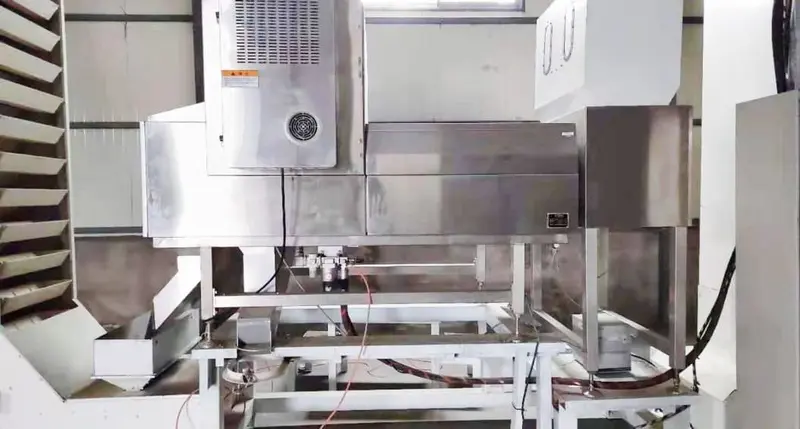
Non-destructive imaging technologies, X-ray being the most established in commercial use, can detect internal defects and foreign objects without needing to cut open every sample kernel, allowing a much higher share of a batch to be screened than manual spot-checking alone would allow. This is part of why a facility's specific inspection technology, not just its stated inspection stages, is worth asking about.
What Should You Ask a Supplier About Their Inspection Process?
Ask what specific inspection stages a batch passes through, and whether X-ray or similar internal-detection methods are used alongside visual and moisture checks. See our Capabilities section for our 16-stage grading line, which includes screening, stone removal, color sorting, gravity separation and X-ray inspection.
How Should a Buyer Read a Defect Percentage on a Spec Sheet?
A single defect percentage in isolation doesn't tell you much without context, a 2% broken-kernel rate might be entirely normal for one grade and product use, while the same figure could be a real concern for a premium retail-facing product where visual appearance matters more. Ask your supplier what defect thresholds are typical for the specific grade you're ordering, rather than comparing a quoted percentage against a generic industry figure that may not apply to your product's grade or intended use.
It's also worth asking whether a quoted defect percentage reflects the batch as tested pre-shipment or an ongoing average across multiple batches, since a single test result and a running average can tell meaningfully different stories about a supplier's actual consistency over time.
What Does Foreign Material Look Like in the Data?
Foreign material is one of the measures a buyer can check on arrival. The NSA 2024 Crop Quality Report reports average foreign material in US confection seed of 11.6% to 12.8% across five crop years, which shows the size of the figure in those crops. Write the limit you need, and the method and the lot it applies to, into the specification, and test the lot on arrival, since an average says nothing about a particular container.
What Are the Limits of This Guide?
The defect categories are general and the thresholds that matter depend on your product and market. Agree the limits and the test method in writing, and test each lot on arrival.
Where Do These Numbers Come From?
- •sunflowernsa.com - cited for: NSA 2024 Crop Quality Report. Checked 2026-10-24.
Source Seeds With Full Quality Inspection
Request samples (the buyer pays shipping) to evaluate the seed before placing a bulk order. Product details are on our products page, and the full buying process is in our bulk sunflower seeds buyer's guide.
Featured in This Article
Sourcing Sunflower Seeds for Your Business?
Contact XingYi Trading for pricing and samples (the buyer pays shipping) on our 361, 363, and TQ6 series.
Request a Quote
XingYi Trading
XingYi Trading — Bayannur, Inner Mongolia
More in Quality & Sourcing
 Quality & Sourcing
BRC vs. IFS: Food Safety Certifications Sunflower Seed Buyers Should Ask About
 Quality & Sourcing
Supplier Self-Audit Checklist: What to Confirm Before You Commit to an Order
 Quality & Sourcing