Harvesting Sunflower Seeds: Timing and Methods
Visual cues, moisture readings, and equipment choice — how growers judge the exact moment sunflower seeds are ready, and the harvesting methods matched to different scales of operation.
- 1. What Are the Signs a Sunflower Field Is Ready to Harvest?
- 2. What Does the Research Say About the Sunflower Maturity Window?
- 3. How Do Taste and Weather Affect Harvest Timing?
- 4. What happens if sunflowers are harvested too early?
- 5. What Are the Best Small-Scale Sunflower Harvesting Methods?
- 6. What Are the Best Mid-to-Large-Scale Harvesting Methods?
- 7. Why Does Commercial Harvest Method Choice Matter for Quality?
- 8. Why does foreign material in a harvest matter so much?
- 9. Does Field Size Change Which Harvesting Method Makes Sense?
- 10. From Field to Export Grade
Getting harvest timing and method right is part science, part experience, and both determine the quality of the finished product. Harvest too early and moisture content is too high for safe storage; harvest too late and birds, weather, or shattering losses start eating into yield. Here's how growers judge the moment sunflower seeds are ready, and the equipment choices that follow.
What Are the Signs a Sunflower Field Is Ready to Harvest?

- •The back of the flower head shifts from green to yellow, and florets drop from the center
- •Bracts turn brown as seeds approach maturity
- •Mature seeds show black or striped coloring and stay hard when pressed with a thumbnail
- •Moisture content of 30-35% is the target for commercial harvesting, measured with a moisture meter
- •Most varieties reach readiness 70-100 days after planting, though local climate shifts this window
- •Increased bird activity is often an early signal that seeds are ripening
What Does the Research Say About the Sunflower Maturity Window?
This isn't just field folklore — NDSU Extension's Sunflower Production Guide documents the same physiological markers: growers consider a crop mature at growth stage R9, when the back of the head has turned from yellow to brown and moisture typically sits between 20-50% at that point, well before it's dry enough for combine harvest or storage. That gap between physiological maturity and harvest-ready moisture is exactly why timing judgment matters — harvesting right at R9 usually means additional field drying or artificial drying is still needed before the crop is storage-safe.
How Do Taste and Weather Affect Harvest Timing?
A taste test for nutty flavor and crisp texture — avoiding soft or bitter seeds — is a reliable final check. Harvesting during dry weather, ahead of any forecast rain, protects the crop right up to collection.
What happens if sunflowers are harvested too early?
Seeds harvested before reaching adequate moisture drop-off tend to be smaller, lighter, and lower in oil content, since the seed hasn't finished filling out. They're also harder to dry safely to a storage-ready moisture level without additional energy and time, which adds cost without adding yield — University of Missouri Extension's sunflower guide puts long-term storage moisture at around 9%, well below the 30-35% typical at physiological maturity.
What Are the Best Small-Scale Sunflower Harvesting Methods?
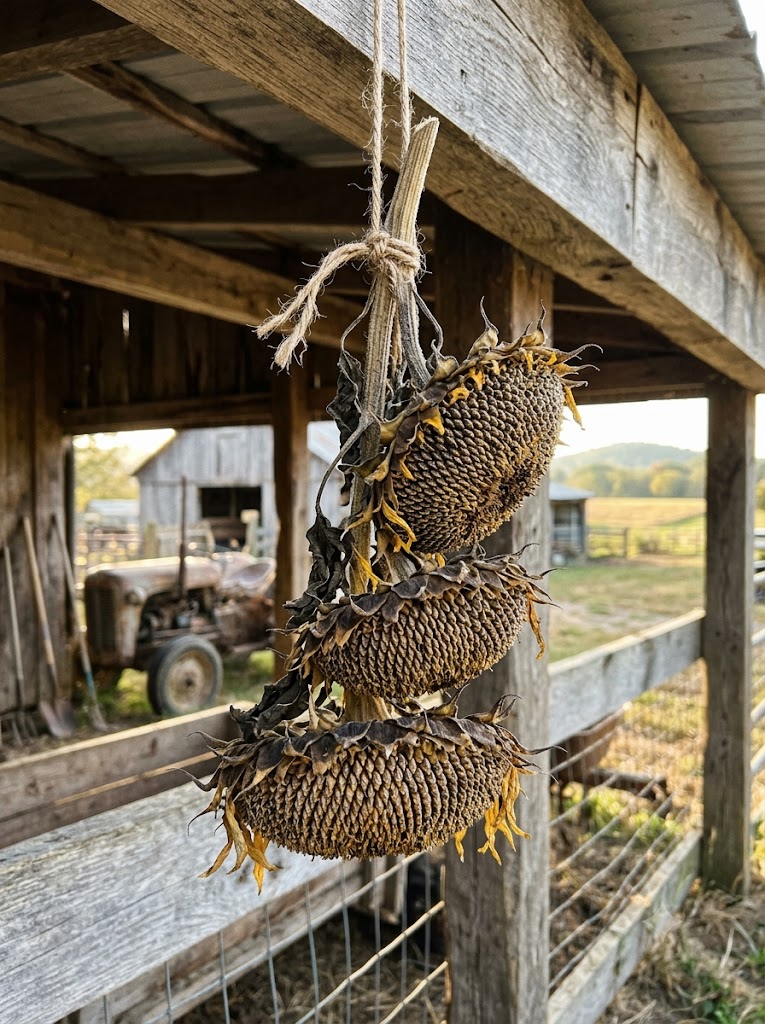
- •Traditional hand harvesting — cut mature heads and hang upside down in a ventilated area to dry, then rub seeds loose
- •Bag method — cover mature heads with paper bags secured with rubber bands before cutting and collecting
- •Selective hand harvesting — for ornamental varieties, harvest individual heads as they mature
What Are the Best Mid-to-Large-Scale Harvesting Methods?
- •Stationary threshing — cut and collect heads by hand, then separate seeds with a mechanical thresher
- •Mechanical header harvesting — tractor-mounted headers cut only the flower heads, minimizing plant material
- •Row crop header — adjustable equipment suited to varying sunflower heights
- •Strip harvesting — specialized headers strip seeds from standing plants, leaving stalks in place for soil conservation
- •Combine harvesting — the standard for commercial operations, with adjustable headers and integrated threshing
Why Does Commercial Harvest Method Choice Matter for Quality?
At export scale, harvest method is a quality-control decision as much as an efficiency one. The National Sunflower Association's harvesting and storage guidance covers header adjustment and combine settings in detail, because incorrect settings are one of the most common causes of kernel cracking and foreign material contamination at harvest. Combine harvesting done well minimizes both, which is part of why it's the standard for any operation supplying a food-grade or export market rather than a small home garden.
Why does foreign material in a harvest matter so much?
Foreign material — bits of stalk, leaf, and head debris mixed in with the seed — has to be removed during cleaning before the seed is food-grade, and a harvest with a lot of it means more cleaning passes, more processing time, and a higher risk of leftover debris reaching the finished product. A well-adjusted combine header minimizes this from the start, which is why equipment settings matter as much as the harvesting method itself.
Does Field Size Change Which Harvesting Method Makes Sense?
Yes — the methods suited to a small home garden plot simply don't scale to a commercial growing operation, and vice versa. Hand harvesting and the bag method work fine for a few dozen plants but become impractical labor-wise well before reaching even a modest commercial acreage, which is exactly why combine harvesting dominates at export scale despite the upfront equipment cost. A grower transitioning from a smaller trial planting to full commercial production typically needs to plan for this equipment shift well before harvest, not scramble to arrange it once the crop is already mature in the field.
From Field to Export Grade
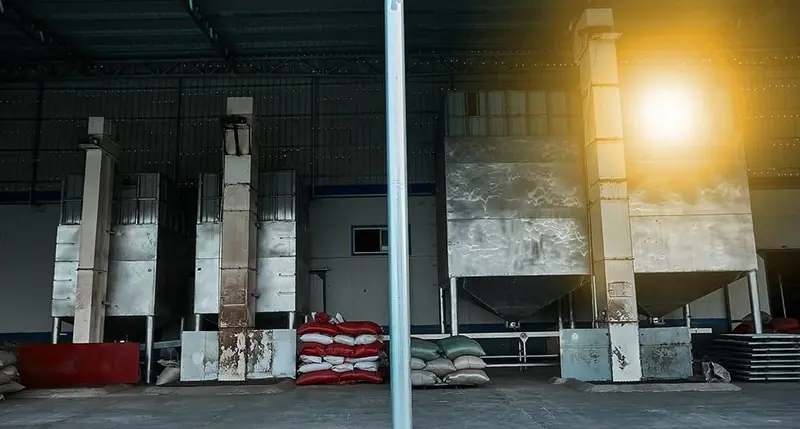
Whatever the timing and harvest method, what happens next — drying, cleaning, and grading — is what actually determines export quality. Our guide on drying and storing sunflower seeds covers that next stage. Our Capabilities section covers the processing line, and our 361, 363, and Tongqing No.6 series pages cover the grade specifications each harvest is sorted into. For sourcing questions, contact our team directly.
Featured in This Article
Sourcing Sunflower Seeds for Your Business?
Contact XingYi Trading for pricing, samples, and specification sheets on our 361, 363, and TQ6 series.
Request a Quote
James Feng
XingYi Trading — Bayannur, Inner Mongolia