
Drying and Storing Sunflower Seeds: A Complete Guide
Sun drying, oven drying, or a dehydrator, plus the moisture and temperature control that keeps stored seeds free of mold and pests — a complete guide from harvest to shelf.
- 1. What Are the Three Best Methods to Dry Sunflower Seeds?
- 2. How Does Commercial Drying Differ From Home Methods?
- 3. How Do You Test Whether Sunflower Seeds Are Dry Enough?
- 4. Which drying method gives the best flavor?
- 5. What Moisture and Temperature Levels Are Best for Storage?
- 6. Why Is Moisture Content the Real Risk Factor for Mold?
- 7. What Are the Most Common Threats to Stored Sunflower Seeds?
- 8. How Can You Prevent Contamination and Respond If It Happens?
- 9. Can I tell if seeds are contaminated just by looking at them?
- 10. How Do These Storage Principles Apply to Container-Load Shipments?
- 11. Related Reading
Drying and storage are the two preservation steps that determine whether a sunflower seed harvest stays safe and flavorful for months, or turns moldy and unusable within weeks. Done right, they prevent mold growth, protect nutritional value, and extend shelf life — and it's the stage where small-batch growers and large commercial exporters diverge most, since target moisture levels and storage protocols both scale with volume.
What Are the Three Best Methods to Dry Sunflower Seeds?
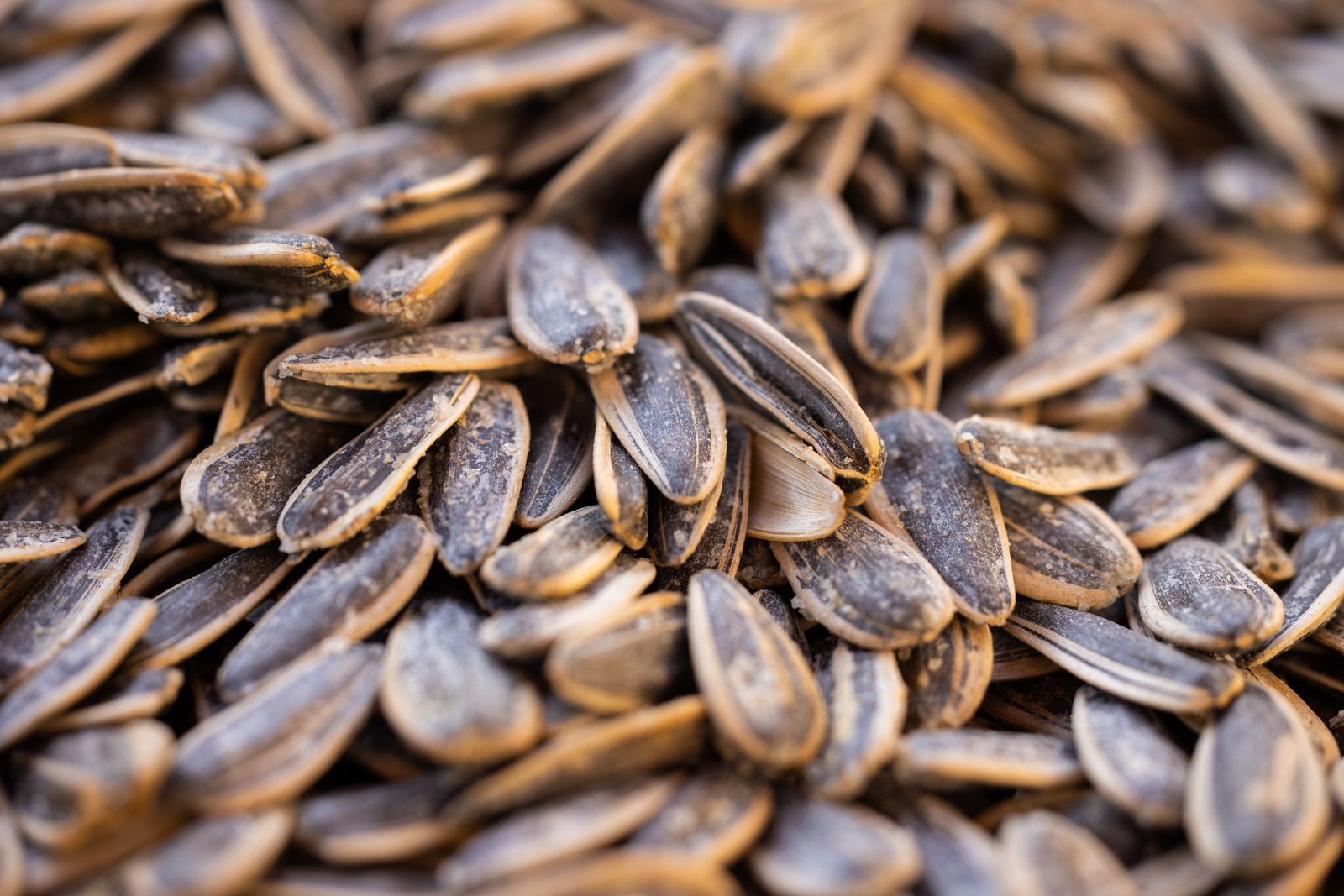
- •Sun drying — spread in a single layer, cover with cheesecloth, leave 2-3 days in direct sun, stirring occasionally
- •Oven drying — lowest oven setting (around 170°F / 75°C), single layer on a baking sheet, 3-4 hours, stirring occasionally
- •Dehydrator — single layer on trays at 115°F / 46°C for 10-12 hours, until crisp
How Does Commercial Drying Differ From Home Methods?
At field and elevator scale, the target moisture level is more precise than a home method needs to be. NDSU Extension guidance on sunflower harvesting and drying recommends drying oil-type sunflower to about 10% moisture for winter storage, and down to 7-8% if seeds will be held into the following summer — tighter targets than a home dehydrator batch typically needs, but the same underlying principle: seeds have to be dry enough, and cool enough, to stay stable for the length of time they'll be stored.
How Do You Test Whether Sunflower Seeds Are Dry Enough?
Three simple checks confirm seeds are ready for storage: bite a seed to confirm it's crisp, shake the container and listen for a rattle, and check for any lingering softness or moisture. Commercial operations use a calibrated moisture meter for the same purpose — SDSU Extension's sunflower harvesting guide recommends checking moisture at multiple points in a load, since a percentage point or two of extra moisture is hard to detect by touch alone but meaningfully increases mold risk over months of storage.
Which drying method gives the best flavor?
Sun drying is generally considered to give the most natural, undiminished flavor since it's the slowest and gentlest method, but it's also the most weather-dependent and slowest to complete. A dehydrator gives the most consistent result with the least hands-on monitoring, which is why it's the more practical choice for anyone drying seeds regularly rather than as a one-off batch.
What Moisture and Temperature Levels Are Best for Storage?
- •Store seeds at 6-8% moisture content
- •Use airtight containers with food-grade desiccant packets
- •Short-term storage (1-3 months): 60-70°F
- •Long-term storage (3+ months): 40-50°F
Why Is Moisture Content the Real Risk Factor for Mold?
Mold and toxin risk in stored oilseeds is driven overwhelmingly by moisture, not just time in storage. Iowa State University Extension research on grain storage found that kernels held below about 15% moisture and kept cool are at substantially lower risk of the mold growth that produces aflatoxin, while the combination of warm temperatures (roughly 75-95°F) and higher moisture creates the conditions aflatoxin-producing molds need to establish.
Our own 6-8% target moisture content for finished, packed seeds sits well below that risk threshold, which is why moisture testing is part of our processing line rather than a one-time check at harvest.
What Are the Most Common Threats to Stored Sunflower Seeds?
Molds such as Aspergillus, Penicillium, and Fusarium thrive in seeds stored above safe moisture thresholds. Pests including Indian meal moths, cigarette beetles, sawtoothed grain beetles, and rodents are the most common contamination risks in bulk storage.
Some Aspergillus strains produce aflatoxin, which is why food-safety regulators — the FDA sets an action level of 20 parts per billion for aflatoxin in human food — treat moisture control during storage as a food-safety issue, not just a quality one.
How Can You Prevent Contamination and Respond If It Happens?
Natural deterrents such as bay leaves, diatomaceous earth, and neem leaves offer chemical-free pest prevention. Packaging in airtight or vacuum-sealed bags, with mylar and oxygen absorbers for extended storage, further reduces risk. If contamination does occur, freezing seeds for 48-72 hours can eliminate pests — moldy seeds, however, should always be discarded.
Can I tell if seeds are contaminated just by looking at them?
Visible mold, discoloration, or a musty smell are reliable signs of contamination and mean the batch should be discarded. However, aflatoxin itself isn't visible — seeds that look fine can still carry unsafe levels if they were stored too warm or too moist for too long, which is exactly why moisture testing during storage matters more than a visual check at the time of use.
How Do These Storage Principles Apply to Container-Load Shipments?
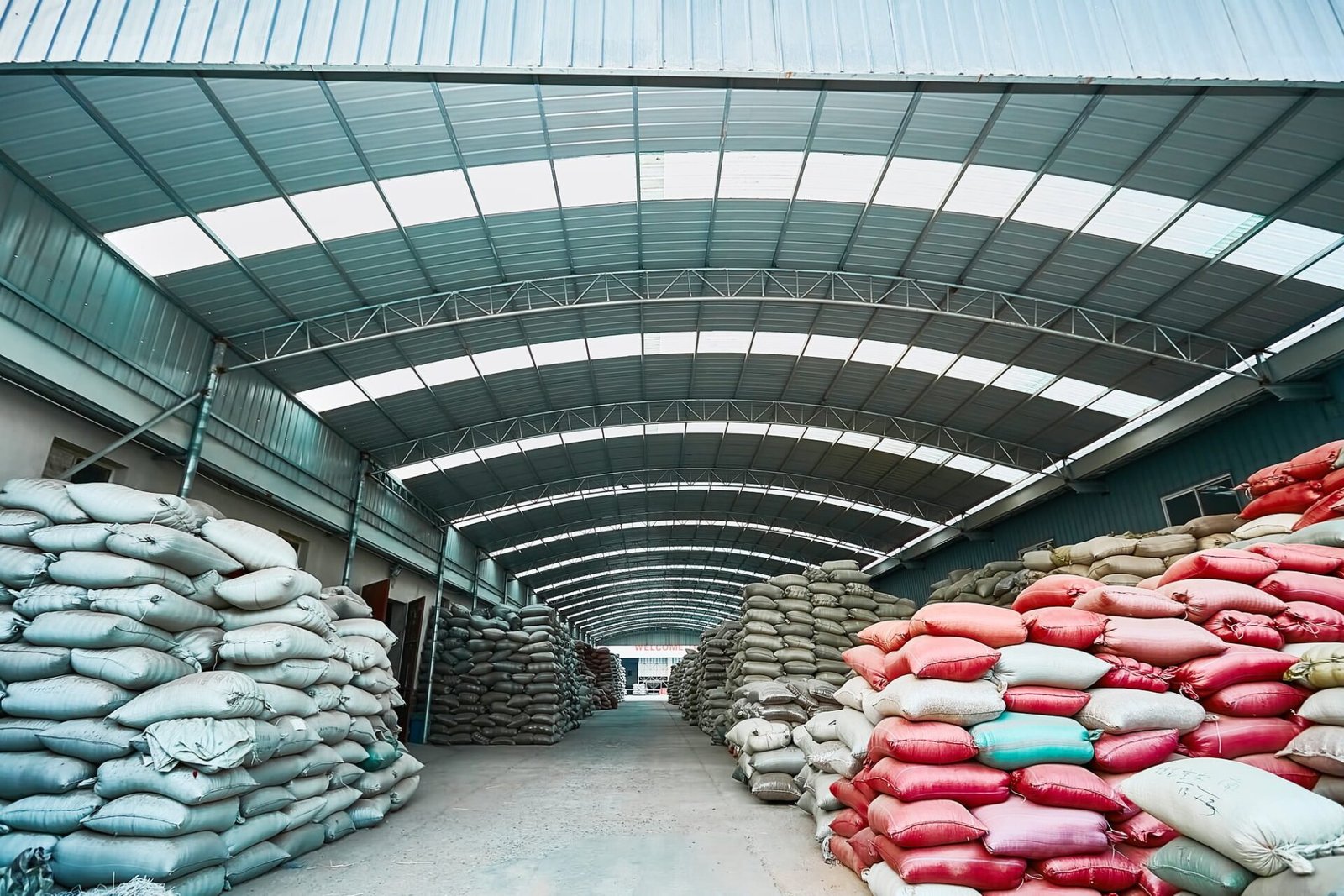
For importers receiving container-load shipments, the same principles scale up: moisture readings at loading, appropriate ventilation or desiccant use inside the container, and a clear understanding of transit time to the destination port. Our Capabilities section covers the inspection and moisture-testing stages of our own processing line, and our Compare page covers what to ask any supplier — not just us — about their moisture control and quality testing before placing a large order.
Related Reading
For the harvest-timing and equipment choices that determine what condition seeds are in before drying even begins, see our guide to harvesting sunflower seeds. If you're evaluating a supplier for a bulk or container-load order, our 361, 363, and Tongqing No.6 series pages cover the moisture and grading specifications for each, or you can request a quote directly.
Featured in This Article
Sourcing Sunflower Seeds for Your Business?
Contact XingYi Trading for pricing, samples, and specification sheets on our 361, 363, and TQ6 series.
Request a Quote
James Feng
XingYi Trading — Bayannur, Inner Mongolia